
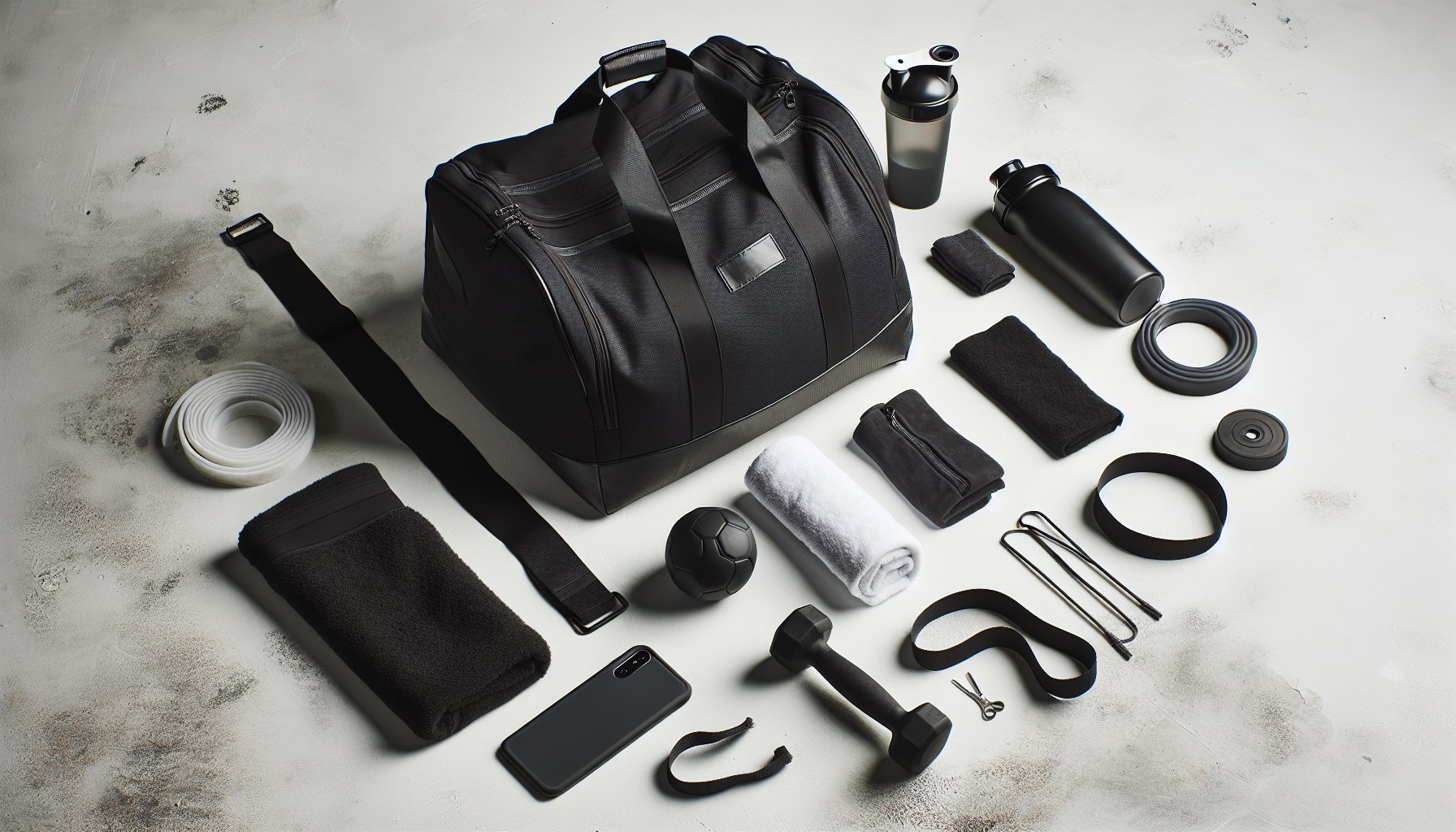
A 2023 survey by the International Health, Racquet & Sportsclub Association found that 67% of gym-goers cite forgetting essential items as a major workout disruption. The right gym bag with proper organization eliminates this problem while protecting your gear and keeping sweaty items separate from clean clothes.
Quick Summary:
- Duffel bags offer maximum capacity and easy packing, while backpacks distribute weight better for commuters
- Essential compartments include ventilated shoe pockets, water-resistant wet sections, and padded laptop sleeves
- Bag size depends on your activities: 30-40L for general lifting, 50-60L for swimmers and CrossFit athletes
- Durable materials like 600D polyester or ballistic nylon withstand daily use for years
- Pack the night before with a checklist to avoid forgetting essentials like deodorant, locks, and post-workout snacks
Duffel vs Backpack: Which Style Works Best
The choice between a duffel and backpack depends on how you commute and what you carry.
Duffel bags excel at capacity and organization. The wide top opening lets you see everything at once, and the rectangular shape accommodates bulky items like boxing gloves or multiple pairs of shoes. Side pockets keep water bottles accessible, and most quality duffels include a padded shoulder strap plus carrying handles. The drawback is weight distribution: carrying a loaded duffel on one shoulder creates imbalance, especially on longer walks from parking lots or subway stations.
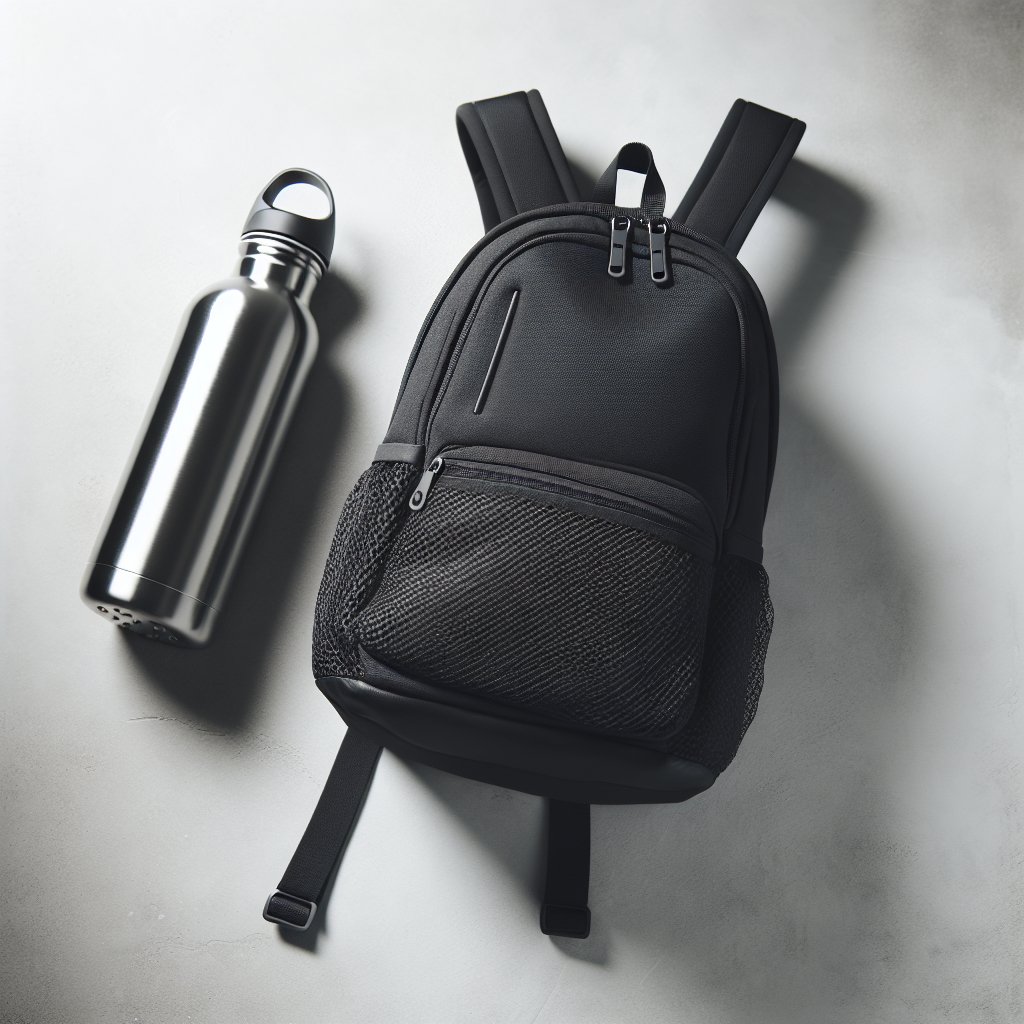
Backpack-style gym bags solve the weight distribution issue by spreading load across both shoulders. This makes them ideal for cyclists, public transit users, and anyone walking more than a few blocks. Modern gym backpacks include the same organizational features as duffels: shoe compartments, laptop sleeves, and water bottle pockets. The limitation is packing: accessing items at the bottom requires unpacking from the top, and the vertical orientation makes it harder to fit wide items like yoga mats or foam rollers.
Hybrid bags combine both carrying styles with convertible straps, though they typically cost 20-30% more than single-style options.
Size Recommendations by Activity Type
Match bag capacity to your specific training needs.
For standard gym sessions focused on lifting or cardio, a 30-40 liter bag provides enough space for shoes, a change of clothes, toiletries, a water bottle, and a towel. This size fits easily in gym lockers and car trunks without excess bulk.
Swimmers and triathletes need 50-60 liters to accommodate wet swimsuits, towels, goggles, and potentially multiple sets of training gear. Look for bags with multiple wet/dry compartments to separate soaked items from clean clothes and electronics.
CrossFit athletes and those doing multiple daily sessions benefit from 45-55 liter bags with external attachment points for jump ropes, lifting belts, and knee sleeves. Extra shoe capacity matters since many CrossFitters bring separate lifting shoes and training shoes.
Weekend warriors packing gym sessions into travel bags should consider 60-70 liter duffels that double as overnight bags, with enough organization to keep gym gear separate from regular clothes.
Essential Compartments That Matter
Five compartment types separate functional gym bags from basic duffels.
Ventilated shoe compartment: A dedicated, breathable pocket for dirty shoes keeps odors contained and prevents sole dirt from contaminating clean clothes. The best designs position this pocket on the bag's end or bottom with mesh panels for airflow. Expect to pay around $40-60 for bags with proper shoe compartments.
Water-resistant wet pocket: A separate waterproof section for damp towels, sweaty clothes, or wet swimsuits prevents moisture from spreading to dry items. Quality bags use TPU-coated fabric or sealed zippers. This feature is non-negotiable for swimmers or anyone showering at the gym.
Padded laptop sleeve: If you're heading to the gym before or after work, a dedicated laptop compartment with padding protects electronics from impact with water bottles or weight belts. This should be positioned against the back panel in backpacks or in a separate zippered section in duffels.
Exterior water bottle pockets: Side pockets with elastic tops keep bottles accessible and prevent leaks from entering the main compartment. Insulated versions maintain cold temperatures for 4-6 hours.
Valuables pocket: A small interior zippered pocket for wallet, keys, and phone keeps essentials separate from bulky gear and reduces the risk of items falling out when digging for other equipment.
Verdict: Skip bags without at minimum a shoe compartment and water bottle pocket. These two features alone justify spending an extra $20-30 over basic duffels, since they prevent the most common gym bag problems: odor buildup and water damage.
What to Pack in Your Gym Bag
Create a standard packing list to avoid the morning scramble.
Training essentials:
- Workout clothes (shirt, shorts/pants, underwear, sports bra)
- Athletic shoes appropriate for your training
- Socks (pack an extra pair as backup)
- Lifting gloves, wrist wraps, or other activity-specific accessories
- Water bottle (fill before leaving to save time)
- Sweat towel
Post-workout items:
- Full change of clothes including underwear
- Shower sandals to avoid gym floor contact
- Travel-size toiletries (soap, shampoo, deodorant)
- Face wipes for quick freshening if you're not showering
- Plastic bag for wet towels and sweaty clothes
- Body lotion if you have dry skin after showering
Convenience items:
- Gym lock (combination locks around $15 eliminate key management)
- Headphones (see our workout headphones guide)
- Post-workout snack (protein bar, banana, pre-portioned shake)
- Hair ties and headbands
- First aid basics (band-aids, pain reliever, blister treatment)
- Phone charging cable
Pack everything the night before and keep the bag by your door or in your car to eliminate decision fatigue on training days.
Best Gym Bags by Category
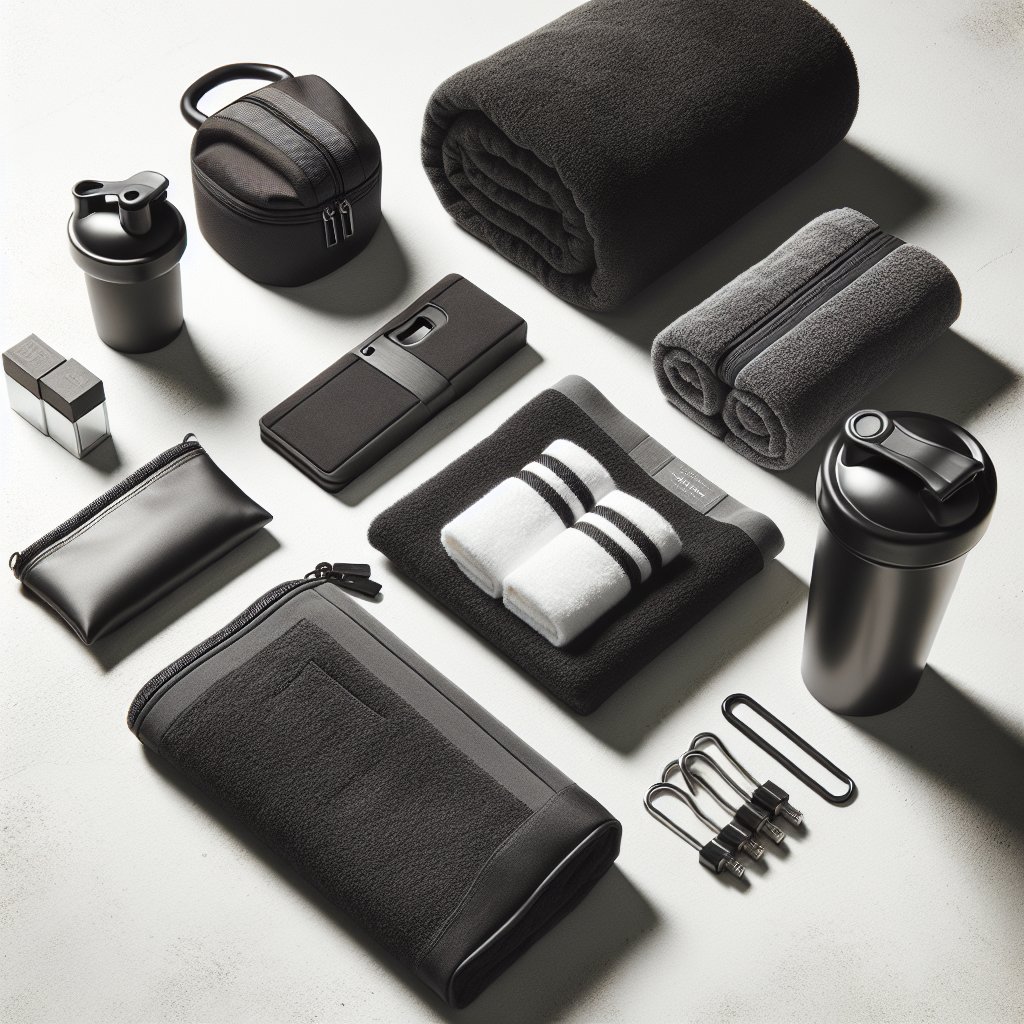
Best overall duffel: The Nike Brasilia Training Duffel (around $35) offers 41 liters of capacity with a ventilated shoe compartment, multiple exterior pockets, and water-resistant base. The 600D polyester construction withstands daily use, and the dual carry handles plus removable shoulder strap provide carrying flexibility.
Best backpack: Under Armour Undeniable 5.0 Backpack (around $65) includes a ventilated shoe pocket, water-repellent coating, padded laptop sleeve, and side water bottle pockets. The 30-liter capacity suits most gym-goers, and the breathable back panel prevents sweat buildup during commutes.
Best for swimmers: The Speedo Teamster 2.0 Backpack (around $50) features 35 liters of capacity with multiple wet/dry compartments, ventilated pockets for damp items, and external bungee cords for securing kickboards or pull buoys.
Best premium option: Adidas Defender 4 Large Duffel (around $50) provides 65 liters with FreshPAK ventilated shoe tunnel, multiple zippered pockets, and reinforced base that stands upright when packed. The LoadSpring shoulder strap reduces pressure on longer carries.
Best budget choice: Basic 35-liter duffels from AmazonBasics (around $25) cover the essentials with shoe compartment and water bottle pockets, though materials are lighter-weight and lack water resistance.
Best for CrossFit: The Rogue Gym Bag (around $85) includes 45 liters of space, reinforced construction, multiple external attachment points for accessories, and separate compartments for shoes, clothes, and lifting gear.
Materials and Durability Factors
Fabric weight and construction determine how long your bag lasts.
Look for minimum 600-denier (600D) polyester or nylon for daily use. This weight resists tearing from metal water bottles, weight belts, and sharp shoe tread. Budget bags using 300-400D fabric develop holes within 6-12 months of regular use.
Ballistic nylon, originally developed for military applications, offers the highest durability at 1000D or higher. Bags using this material cost $80-120 but last 5+ years even with heavy daily use. The trade-off is weight: ballistic nylon bags weigh 20-30% more than standard polyester options.
Water resistance comes from two sources: fabric coating and sealed seams. PU (polyurethane) coating provides basic splash protection and wipes clean easily. TPU (thermoplastic polyurethane) offers superior water resistance and durability at 15-20% higher cost. Fully waterproof bags use welded seams but sacrifice breathability, leading to trapped moisture and odor buildup.
Check zipper quality before buying. YKK zippers from Japan are the industry standard for reliability. Budget bags using generic zippers often fail within the first year, usually at high-stress points near handles or at corners. Reinforced zipper tabs and pulls indicate better construction.
Stitching matters at stress points: handles, shoulder straps, and bottom corners. Double or triple stitching at these locations prevents tears when bags are fully loaded. Bar-tack reinforcement (crossed stitching patterns) at strap attachment points is essential for bags carrying 20+ pounds regularly.
Gym Bag Maintenance
Extend your bag's life with basic care.
Empty and air out your bag after every use. Leaving damp towels or sweaty clothes inside for even 12-24 hours creates permanent odor that's difficult to remove. If you can't wash items immediately, transfer them to a laundry basket and leave the bag unzipped.
Wash bags monthly with mild detergent and warm water using a large-capacity washing machine or hand washing in a bathtub. Remove all items first and check pockets for forgotten items. Air dry completely before packing again; machine drying damages water-resistant coatings and can melt certain synthetic materials.
For odor removal, spray interior compartments with 1:1 white vinegar and water solution, then air dry in direct sunlight for 2-3 hours. UV light kills odor-causing bacteria naturally.
Store bags in cool, dry locations away from direct heat sources. Prolonged exposure to temperatures above 120°F (like car trunks in summer) degrades water-resistant coatings and weakens fabric fibers.
Common Mistakes to Avoid
Buying oversized bags: Larger isn't always better. A half-empty 60-liter bag allows items to shift and become disorganized, defeating the purpose of compartments. Buy the smallest size that fits your actual needs.
Skipping the shoe compartment: Storing shoes in the main compartment transfers dirt, bacteria, and odor to clean clothes. This single feature justifies spending an extra $15-20 on a proper gym bag.
Ignoring weight when empty: A bag that weighs 3-4 pounds empty becomes noticeably heavy when loaded with 15-20 pounds of gear, shoes, water, and clothes. Test weight before buying if possible.
Forgetting about locker fit: Measure your gym's lockers before buying large duffels. A 65-liter bag that doesn't fit forces you to leave it outside lockers, increasing theft risk.
Choosing fashion over function: Sleek designs with minimal pockets look better but create organization headaches. Prioritize compartments and durability over aesthetics for daily gym use.
Frequently Asked Questions
How often should I replace my gym bag?
Replace bags when zippers fail, fabric tears, or odors become permanent despite cleaning. Quality bags last 3-5 years with daily use, while budget options typically need replacement after 12-18 months.
Can I machine wash my gym bag?
Most bags tolerate gentle machine washing with cold water and mild detergent. Check manufacturer tags first, and always air dry rather than using machine heat, which damages water-resistant coatings.
What size gym bag do I need for a week of clothes?
For packing a week of workout gear, choose 60-70 liter capacity. This accommodates 5-7 sets of workout clothes, multiple pairs of shoes, full toiletries, and towels without excessive compression.
Are expensive gym bags worth the cost?
Premium bags ($80-120) using ballistic nylon and YKK zippers last 5+ years, while budget bags ($25-35) typically need replacement after 1-2 years. Calculate cost per year: a $100 bag lasting 5 years costs $20 annually versus $30 annually for budget options replaced every year.
How do I eliminate gym bag odor?
Spray interior with 1:1 white vinegar and water solution, then air dry in direct sunlight for 2-3 hours. For persistent odors, sprinkle baking soda inside overnight, vacuum out, then wash the entire bag with enzyme-based sports detergent.
Should I get a bag with wheels?
Wheeled bags make sense for travelers or those carrying 30+ pounds regularly, but add weight (2-3 pounds) and reduce capacity due to wheel housing. Skip wheels for standard gym use unless you have mobility concerns.
What's the difference between water-resistant and waterproof?
Water-resistant bags repel light rain and splashes but aren't submersible. Waterproof bags with sealed seams protect contents even when fully soaked but trap moisture inside, potentially causing odor. Water-resistant is sufficient for gym use.
Can I use a gym bag as carry-on luggage?
Most 40-50 liter gym bags fit airline carry-on size restrictions (22" x 14" x 9"), but check your specific airline's limits. Bags with padded laptop sleeves and organizational pockets work well for short trips.
How do I pack a gym bag to prevent wrinkles?
Roll clothes instead of folding to minimize creases. Pack heavier items (shoes, toiletries) at the bottom, lighter clothes on top. Use the shoe compartment to store rolled socks and underwear to maximize space efficiency.
Do I need different bags for different workouts?
One versatile 40-50 liter bag with good organization handles most activities. Swimmers benefit from dedicated wet compartments, but otherwise, proper packing eliminates the need for multiple specialized bags. Check our guide to starting your fitness journey for more beginner essentials.
What should I keep in my gym bag permanently?
Stock a permanent kit with items you'll always need: gym lock, shower sandals, deodorant, basic toiletries, an extra pair of socks, headphones, a charging cable, and a few protein bars. This eliminates daily packing decisions for recurring essentials.
The Bottom Line
The right gym bag combines appropriate size for your training style, essential compartments for organization, and durable materials that withstand daily use. Duffel bags maximize capacity and visibility, while backpacks distribute weight better for commuters. Prioritize ventilated shoe compartments and water-resistant wet pockets, which solve the most common problems: odor and moisture damage. Pack the night before with a standard checklist to eliminate forgotten items and maintain consistency in your training routine.
Sources:
- International Health, Racquet & Sportsclub Association. 2023 Health Club Consumer Report. https://www.ihrsa.org/
- Textile Research Journal. Performance evaluation of polyester and nylon fabrics for athletic applications. https://journals.sagepub.com/home/trj
- American Council on Exercise. Gym hygiene and equipment care guidelines. https://www.acefitness.org/