
A 2019 study in the British Journal of Sports Medicine found that just 150 minutes of moderate physical activity per week reduces all-cause mortality risk by 31%. That is roughly 22 minutes a day. Starting a workout routine does not require a gym membership, expensive equipment, or a personal trainer. It requires a plan, consistency, and a willingness to start small. This guide gives you everything you need to go from zero to your first real training habit.
Quick Summary:
- Start with three sessions per week of 20-30 minutes each, focusing on full-body movements
- Progressive overload — gradually increasing difficulty — drives all fitness gains
- Proper form matters more than heavy weight, especially in your first 90 days
- You do not need a gym; bodyweight exercises build real strength and cardiovascular fitness
- Pair your training with adequate protein intake (0.7-1.0 grams per pound of bodyweight) and 7-9 hours of sleep
Why Starting a Workout Routine Changes Everything
Regular exercise does more than build muscle or burn calories. A 2018 meta-analysis in JAMA Psychiatry showed that resistance training alone reduces symptoms of depression by 33% across 33 randomized controlled trials. The CDC reports that physically active adults have a 35% lower risk of type 2 diabetes and significantly better cognitive function as they age.
The first workout is the hardest one. Not physically — mentally. Research from the European Journal of Social Psychology shows habit formation takes an average of 66 days, not the commonly cited 21. The first two months are about showing up, not performance.
How Exercise Actually Works: The Basics of Adaptation
Your body adapts to physical stress through a process called supercompensation. When you lift a weight, run a mile, or hold a plank, you create micro-damage in muscle fibers and stress your cardiovascular system. During recovery, your body repairs those fibers stronger than before and improves oxygen delivery to working muscles.
This cycle — stress, recover, adapt — is the foundation of all fitness progress. A landmark 2007 study in Medicine & Science in Sports & Exercise confirmed that untrained individuals see strength gains of 40% or more in the first 4-6 months of consistent resistance training. Those are beginner gains, and they are real.
Three key principles govern how your body responds to training:
-
Progressive overload: You must gradually increase the challenge. Add reps, add weight, reduce rest time, or increase range of motion. Without progressive overload, your body has no reason to adapt. Our progressive overload guide covers this in detail.
-
Specificity: Your body adapts to the specific demands you place on it. Running makes you a better runner. Squatting makes your legs stronger. Choose exercises that match your goals.
-
Recovery: Adaptation happens between workouts, not during them. Sleep, nutrition, and rest days are not optional — they are where gains are built.
The Benefits of Strength Training for Beginners
Resistance training delivers the most dramatic results for beginners. A 2009 position stand from the American College of Sports Medicine reported that two to three sessions per week increases resting metabolic rate, improves bone mineral density by 1-3%, and reduces body fat even without dietary changes.
Cardiovascular exercise is also essential. The American Heart Association recommends 150 minutes of moderate-intensity or 75 minutes of vigorous-intensity aerobic activity per week. A well-designed beginner program includes both.
Verdict: Start with three full-body resistance training sessions per week, add two days of 20-30 minute cardio (walking, cycling, or swimming), and take two full rest days. This structure gives beginners the fastest results with the lowest injury risk.
Your First Workout Plan: Week-by-Week Breakdown
Weeks 1-2: Learn the Movements
Focus entirely on bodyweight exercises and movement quality. Train three days per week with at least one rest day between sessions.
Sample Session (25-30 minutes):
- Bodyweight squats: 3 sets of 10
- Push-ups (or knee push-ups): 3 sets of 8
- Dumbbell rows or inverted rows: 3 sets of 8 per side
- Glute bridges: 3 sets of 12
- Plank hold: 3 sets of 20-30 seconds
- 10-minute walk or light cycling to finish
Rest 60-90 seconds between sets. If an exercise feels too easy, slow down the movement — take 3 seconds lowering, 1 second lifting. This increases time under tension.
Weeks 3-4: Add Resistance
If you are training at home, a pair of adjustable dumbbells like the Bowflex SelectTech 552 Dumbbells (around $350) or a more affordable set like the Amazon Basics Neoprene Dumbbells (around $25 per pair) will cover most exercises. See our best dumbbells guide for a full breakdown.
Add 5-10 pounds to goblet squats, rows, and overhead presses. Increase push-up difficulty by elevating your feet or adding a pause at the bottom. The goal is to make the last 2-3 reps of each set genuinely challenging.
Weeks 5-8: Build Consistency
By now, you should be comfortable with 8-10 exercises and training three to four days per week. Introduce a simple split if you want — an upper/lower routine works well, or follow a structured full-body workout program.
Track your workouts. Write down sets, reps, and weight for every exercise. A fitness tracker like the Garmin Venu Sq 2 (around $250) helps monitor heart rate, step count, and recovery metrics.
Essential Gear for Beginners
You do not need much to start. Here is what actually matters:
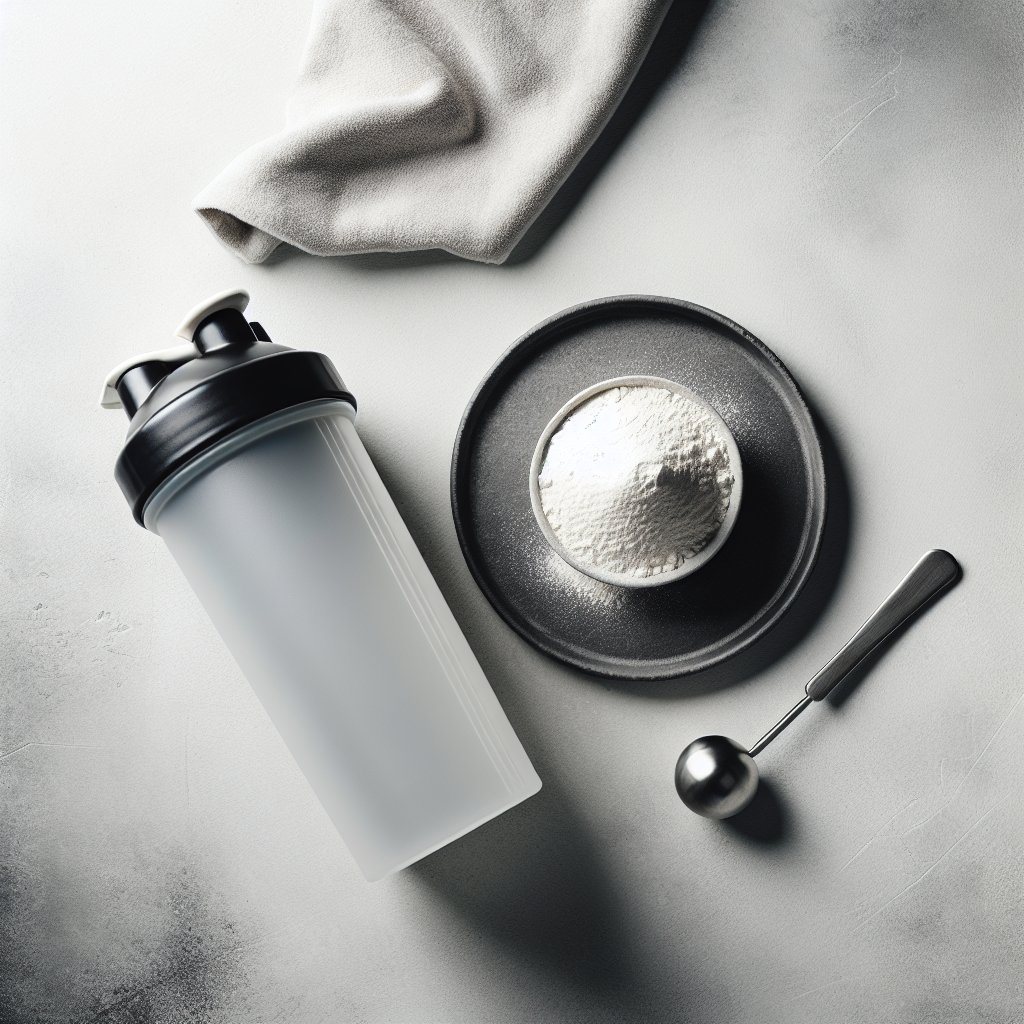
Training shoes: A flat, stable shoe works best for resistance training. Running shoes with thick, cushioned soles reduce stability during squats and deadlifts. The Nike Metcon 9 (around $130) is a top choice for gym training — firm sole, wide base, durable construction.
Water bottle and towel: Hydration directly affects performance. A 2% drop in body water reduces endurance by up to 10% according to the Journal of Athletic Training.
Comfortable clothing: Anything that allows full range of motion. Moisture-wicking fabrics help during longer sessions.
Optional but helpful: A foam roller for post-workout recovery, resistance bands for warm-ups, and a notebook or phone app to log your workouts.
Nutrition Basics for New Exercisers
Training without proper nutrition is like building a house without materials. A 2018 position stand from the International Society of Sports Nutrition recommends 1.4-2.0 grams of protein per kilogram of bodyweight daily for active individuals. For a 160-pound person, that is 102-145 grams of protein per day.
If you struggle to hit your protein targets through whole foods, a quality protein powder fills the gap. Optimum Nutrition Gold Standard Whey (around $30 for 2 lbs) delivers 24 grams of protein per scoop with minimal fillers. Read our protein guide for a deeper look at protein timing and sources.
Beyond protein, focus on eating enough total calories to fuel your training, drinking at least half your bodyweight in ounces of water daily, and getting 7-9 hours of sleep per night. These three factors account for roughly 80% of your recovery capacity.
Common Mistakes That Stall Beginners
Doing too much too soon. The number one reason beginners quit is burnout or injury from overtraining. A 2020 study in the Journal of Strength and Conditioning Research found that training volume exceeding recovery capacity leads to decreased performance within 2-3 weeks. Start with three sessions per week and add volume only when you complete all prescribed sets and reps cleanly.
Skipping warm-ups. Five minutes of light cardio and dynamic stretching prepares your joints, raises core temperature, and improves muscle activation. Cold muscles tear more easily.
Chasing soreness. Delayed onset muscle soreness (DOMS) is not a reliable indicator of a good workout. A 2011 review in Sports Medicine confirmed that soreness does not correlate with muscle growth or strength gains. Focus on progressive overload instead.
Program hopping. Switching routines every week prevents your body from adapting to any single stimulus. Follow one program for at least 8-12 weeks before making major changes.
Ignoring form for weight. Ego lifting — loading the bar heavier than you can control — increases injury risk and reduces the training stimulus on target muscles. Our proper form basics guide covers the movement standards every beginner should learn.
Frequently Asked Questions
How many days per week should a beginner work out?
Three days per week is the sweet spot for beginners. This frequency allows 48 hours of recovery between sessions while providing enough training stimulus for consistent progress. After 8-12 weeks, you can add a fourth day if recovery supports it.
Do I need a gym membership to start working out?
No. Bodyweight exercises, resistance bands, and a pair of dumbbells provide more than enough stimulus for beginners. Many people build impressive strength at home. A gym becomes more valuable once you need heavier barbells and specialized equipment.
How long should each workout be?
Aim for 30-45 minutes per session, not counting warm-up and cool-down. Research shows that training quality drops significantly after 60 minutes due to hormonal shifts and mental fatigue. Shorter, focused sessions beat long, unfocused ones.
Will lifting weights make me bulky?
Building significant muscle mass requires years of progressive resistance training and a caloric surplus. Beginners who lift weights get leaner and more defined, not bulky. Women produce roughly 10-20 times less testosterone than men, making accidental bulkiness essentially impossible.
What should I eat before a workout?
Eat a balanced meal with carbohydrates and protein 2-3 hours before training, or a small snack 30-60 minutes before. Good pre-workout options include oatmeal with fruit, a banana with peanut butter, or Greek yogurt with berries. Avoid large, high-fat meals immediately before exercise.
How do I know if I am making progress?
Track three metrics: strength (are you lifting more weight or doing more reps?), body measurements (waist, hips, arms), and energy levels. The scale is unreliable because muscle gain can offset fat loss. Take progress photos every 4 weeks under the same conditions.
Is cardio or weight training better for fat loss?
Both contribute, but resistance training has a slight edge for long-term fat loss because it increases resting metabolic rate. The best approach combines 3 days of strength training with 2-3 days of moderate cardio. A 2021 meta-analysis in Sports Medicine found that concurrent training produces greater fat loss than either modality alone.
What if I feel too sore to work out?
Mild soreness is normal, especially in the first two weeks. Light movement like walking or gentle stretching often reduces soreness faster than complete rest. However, sharp pain, joint pain, or soreness lasting more than 72 hours warrants rest and possibly a doctor visit.
Should I take supplements as a beginner?
Focus on whole foods first. The only supplements with strong evidence for beginners are protein powder (to meet daily targets), creatine monohydrate (3-5 grams daily for strength and power), and vitamin D if you are deficient. Everything else is secondary to consistent training and nutrition.
How long until I see results?
Strength gains appear within 2-4 weeks as your nervous system adapts. Visible muscle growth typically takes 8-12 weeks of consistent training. Fat loss depends on caloric deficit and can become noticeable within 4-6 weeks. Internal benefits — better sleep, improved mood, increased energy — often arrive within the first week.
Can I work out if I am overweight or out of shape?
Absolutely. Exercise is for every body. Start with low-impact activities like walking, swimming, or bodyweight exercises and build from there. A 2016 study in Progress in Cardiovascular Diseases showed that improving fitness dramatically reduces health risks regardless of body weight.
The Bottom Line
Starting a workout routine comes down to three things: pick a simple program, show up three days per week, and increase the difficulty gradually. Do not overthink equipment, supplements, or the "perfect" plan. The best workout program is the one you actually follow. Give yourself 90 days of consistent effort before judging results — your body needs time to adapt, and the habits you build now will carry you for years.
Sources:
- Arem, H., et al. (2015). Leisure time physical activity and mortality. JAMA Internal Medicine. https://pubmed.ncbi.nlm.nih.gov/26121527/
- Gordon, B.R., et al. (2018). Association of efficacy of resistance exercise training with depressive symptoms. JAMA Psychiatry. https://pubmed.ncbi.nlm.nih.gov/29800984/
- Lally, P., et al. (2010). How are habits formed: Modelling habit formation in the real world. European Journal of Social Psychology. https://onlinelibrary.wiley.com/doi/abs/10.1002/ejsp.674
- Peterson, M.D., et al. (2011). Resistance exercise for muscular strength in older adults. Ageing Research Reviews. https://pubmed.ncbi.nlm.nih.gov/21130185/
- American College of Sports Medicine. (2009). Progression models in resistance training for healthy adults. Medicine & Science in Sports & Exercise. https://pubmed.ncbi.nlm.nih.gov/19204579/
- Jager, R., et al. (2017). ISSN position stand: protein and exercise. Journal of the International Society of Sports Nutrition. https://pubmed.ncbi.nlm.nih.gov/28642676/
- Schoenfeld, B.J., et al. (2021). Resistance training recommendations to maximize muscle hypertrophy. Sports Medicine. https://pubmed.ncbi.nlm.nih.gov/34125411/
- Barry, V.W., et al. (2014). Fitness vs. fatness on all-cause mortality. Progress in Cardiovascular Diseases. https://pubmed.ncbi.nlm.nih.gov/24438734/