
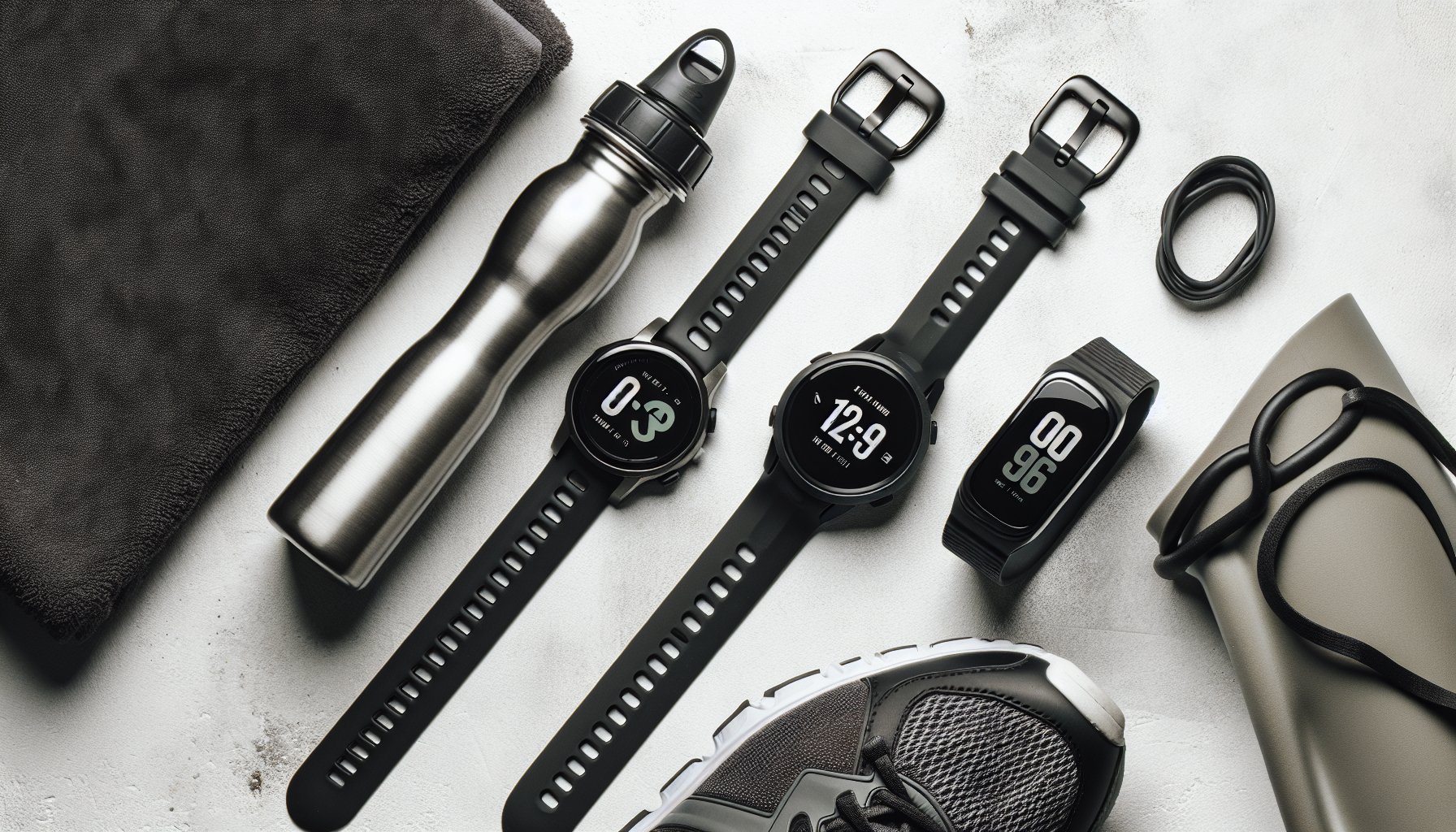
A 2023 study in the Journal of Medical Internet Research found that people who used fitness trackers averaged 1,850 more steps daily than non-users and increased their moderate-to-vigorous physical activity by 48 minutes per week. But with wrist-based heart rate sensors showing accuracy variations of 5-20% depending on the activity, choosing the right tracker matters more than simply wearing one.
Quick Summary:
- Wrist-based heart rate monitors are most accurate during steady-state cardio, less reliable during high-intensity intervals or strength training
- Smartwatches offer comprehensive features but require daily charging, while basic fitness bands last 5-14 days per charge
- Runners benefit most from GPS accuracy and VO2 max tracking, lifters need workout detection and recovery metrics
- Heart rate variability and sleep tracking provide the most actionable recovery data when measured consistently
- Trackers work best when you use 2-3 key metrics regularly rather than trying to optimize every data point
What Fitness Trackers Actually Measure
Modern fitness trackers collect five primary types of biometric data. Step counting uses a three-axis accelerometer to detect movement patterns that match walking or running gaits, with most devices achieving 95-98% accuracy during normal walking. Research published in JAMA found that popular trackers undercounted steps by 1.7-4.3% during moderate-pace walking.
Heart rate monitoring relies on photoplethysmography, which uses LED lights to detect blood volume changes in your wrist. A 2017 Stanford Medicine study tested seven commercial trackers and found median error rates of 5.1% during walking but jumped to 13.5% during cycling. The technology works best when your arm remains relatively still.
Sleep tracking combines movement sensors with heart rate data to estimate sleep stages. While trackers achieve 80-90% accuracy identifying whether you're asleep or awake, they're less precise distinguishing between light, deep, and REM sleep compared to polysomnography, according to research in Sleep Medicine Reviews.
Heart rate variability measures the time variation between heartbeats, providing insight into autonomic nervous system balance. A 2023 study in European Journal of Applied Physiology found that wrist-based HRV measurements showed good correlation with chest strap readings during sleep but decreased in accuracy during waking hours.
Blood oxygen saturation sensors estimate the percentage of oxygen-carrying hemoglobin in your blood using red and infrared light. Consumer devices typically show accuracy within 2-3% of medical-grade pulse oximeters during rest but can vary significantly during exercise.
Smartwatch vs Fitness Band
Smartwatches like the Apple Watch Series 9 (around $400) and Garmin Forerunner 265 (around $450) pack comprehensive sensors, built-in GPS, and detailed workout tracking into devices that require daily charging. You get smartphone notifications, music storage, and touchscreen interfaces, but battery life typically ranges from 18-36 hours with GPS use.
Dedicated fitness bands like the Fitbit Charge 6 (around $160) or Whoop 4.0 (subscription-based at $30/month) prioritize battery life and focused fitness metrics over smart features. These devices last 5-14 days per charge and maintain simpler interfaces that reduce decision fatigue around which metrics matter.
The practical difference comes down to feature density versus consistency. A 2022 study in Digital Health found that users who wore basic activity trackers maintained 89% adherence over six months compared to 67% for smartwatch users, partly because charging frequency created friction in habit formation.
Verdict: Choose a fitness band if you prioritize consistent wear and recovery metrics over notifications. Go with a smartwatch if you want GPS workout tracking and don't mind daily charging.
Best Trackers by Training Goal
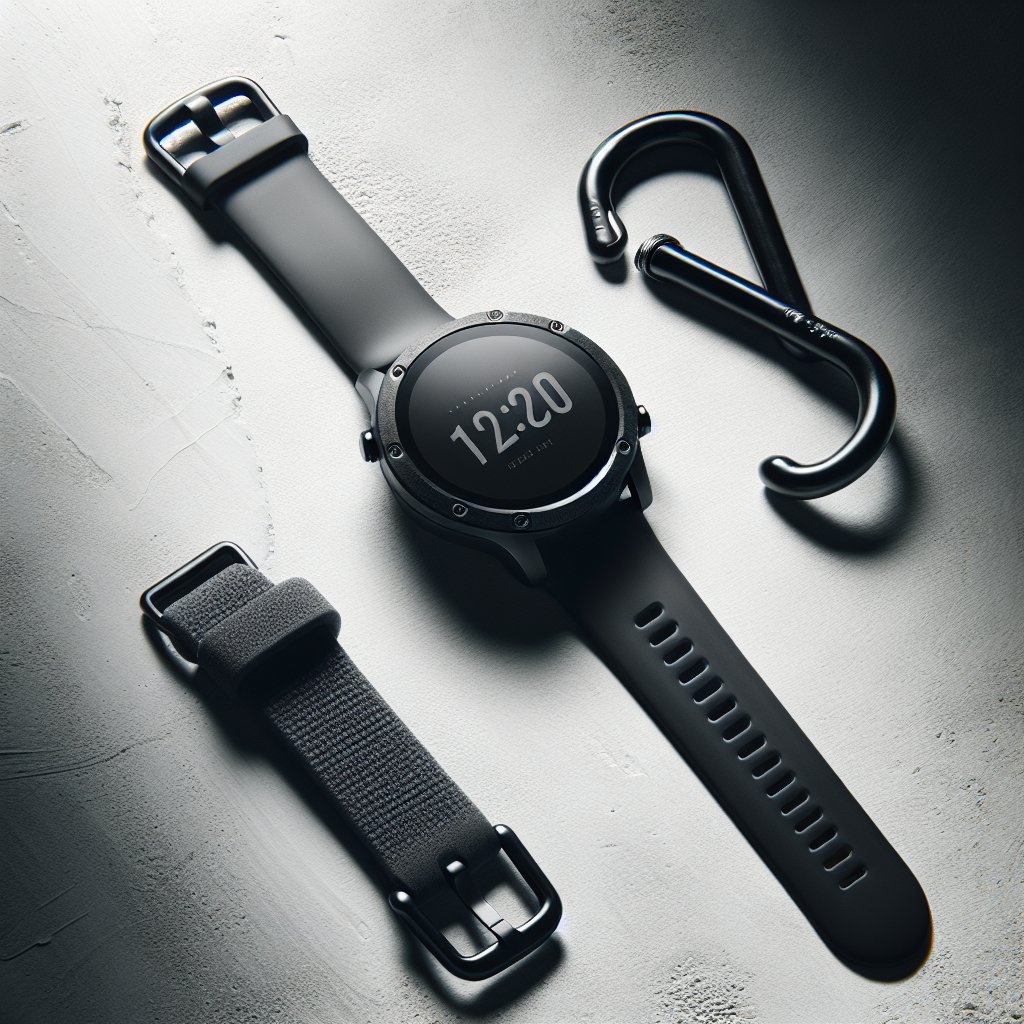
Runners need GPS accuracy and training load metrics. The Garmin Forerunner 265 provides multi-band GPS that showed 99.2% distance accuracy in independent testing by DC Rainmaker, plus VO2 max estimates and race time predictions based on training history. The built-in mapping and turn-by-turn navigation justify the $450 price for serious runners.
Strength trainers benefit from automatic rep counting and recovery tracking. The Whoop 4.0 emphasizes recovery metrics and strain scores rather than step counting, with research published in Sensors showing its HRV measurements correlated strongly with recovery status. The screenless design and focus on trends over daily numbers suits the strength training approach better than constant metric checking.
General fitness users who want broad activity tracking without complexity do well with the Fitbit Charge 6. It includes connected GPS (uses your phone's GPS to map outdoor workouts), automatic exercise recognition for 20+ activities, and integration with Fitbit's large user community. Battery life of 7 days means less charging friction.
Cyclists and multi-sport athletes need power meter compatibility and advanced performance metrics. The Garmin Fenix 7 (around $700) connects to external sensors, provides cycling-specific metrics like cycling power and training status, and offers solar charging variants that extend battery life to weeks rather than days.
Battery Life Comparison
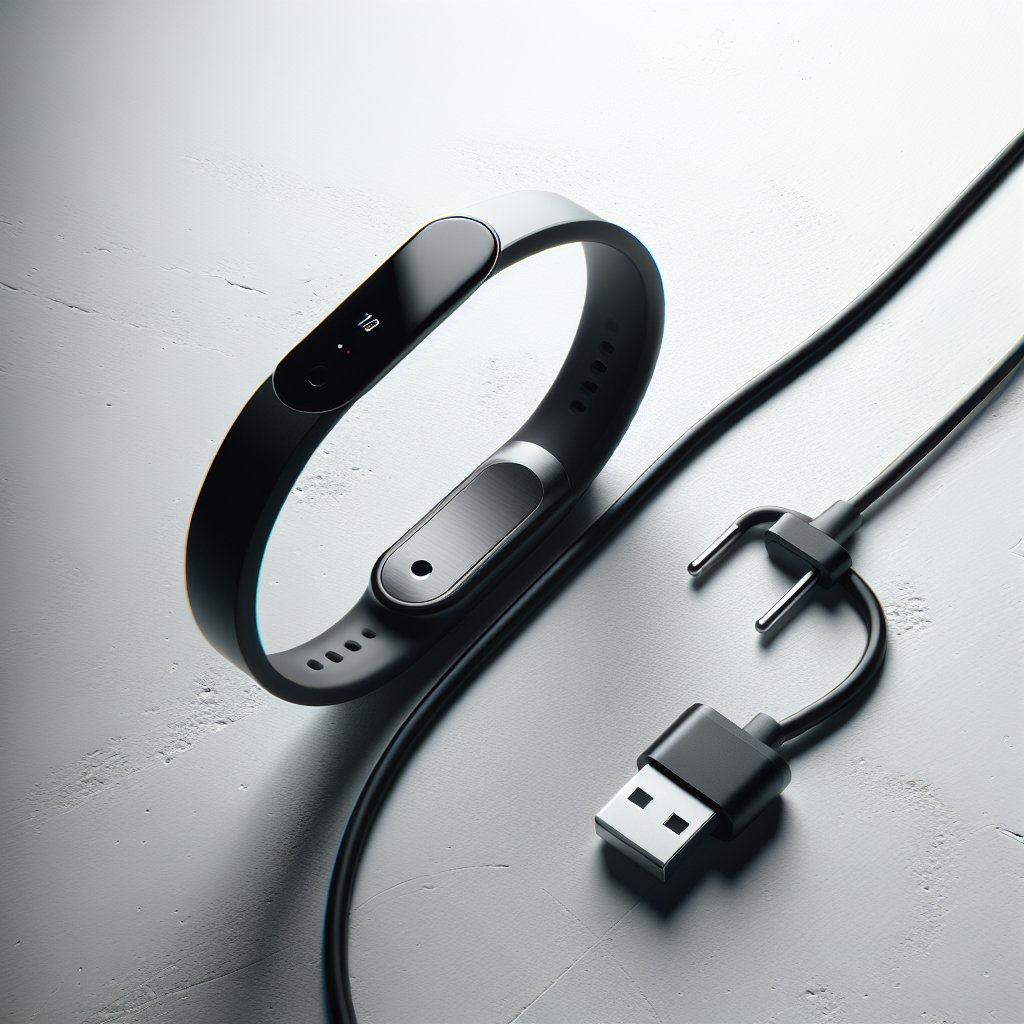
Battery performance directly impacts whether you'll actually wear the device consistently. The Whoop 4.0 uses a slide-on battery pack that charges the device while you wear it, eliminating the need to remove it for charging. This design enables true 24/7 wear for continuous HRV and sleep data.
Basic fitness bands typically deliver 5-7 days of battery life with standard use. The Fitbit Charge 6 achieves 7 days without GPS use, dropping to around 5 hours of continuous GPS tracking. This matters less for gym-goers than outdoor endurance athletes.
GPS smartwatches show the most variation. The Apple Watch Series 9 lasts 18 hours with typical use or about 6 hours with GPS enabled, requiring daily charging. Garmin's running watches achieve 13-24 days in smartwatch mode but 6-20 hours in GPS mode depending on the model and GPS settings.
Research in the International Journal of Environmental Research and Public Health found that charging frequency negatively correlated with long-term adherence to tracker use. Devices requiring charging every 1-2 days showed 23% higher abandonment rates at six months compared to weekly charging devices.
Must-Have Features
GPS functionality matters if you train outdoors and want accurate distance and pace data. Built-in GPS eliminates the need to carry your phone during runs but drains battery significantly faster than connected GPS, which uses your phone's GPS receiver. For our cardio guide, accurate outdoor tracking makes route planning and progression tracking possible.
Water resistance rated to 5 ATM (50 meters) allows swimming and showering with the device without damage concerns. This differs from water-resistant ratings of 3 ATM or IP68, which protect against splashes but not submersion.
Heart rate variability tracking provides the most useful recovery data when measured consistently overnight. As detailed in our sleep and fitness guide, HRV trends indicate autonomic nervous system balance and recovery status better than resting heart rate alone.
Automatic workout detection removes the friction of starting and stopping tracking manually, increasing the likelihood you'll actually log training sessions. This matters more for building long-term data than getting perfect metrics on individual workouts.
Third-party app integration allows syncing data to platforms like Strava, MyFitnessPal, or TrainingPeaks. If you already use fitness software, compatibility prevents manual data entry and enables comprehensive training analysis.
When Trackers Help vs When They're Unnecessary
Fitness trackers provide the most value during behavior change phases and when tracking specific performance metrics. A meta-analysis in The Lancet Digital Health found that tracker use significantly increased physical activity in previously sedentary adults but showed minimal effect on already-active populations after the first three months.
Beginners benefit from step counting and activity reminders because the immediate feedback reinforces new habits. As covered in our guide to setting fitness goals, quantified daily movement helps establish baseline activity levels and creates accountability.
Intermediate to advanced athletes use specific metrics like training load, VO2 max trends, and recovery scores to optimize programming. These features prevent overtraining and guide deload timing more effectively than subjective feel alone, particularly for high-volume training.
You don't need a tracker if you already maintain consistent training habits and don't use the data for programming decisions. A 2024 study in Psychology of Sport and Exercise found that 62% of fitness tracker purchasers stopped regular use within six months, with non-users citing "information overload" and "lack of actionable insights" as primary reasons.
Trackers also add limited value for strength training accuracy. Wrist-based sensors struggle with the start-stop nature of resistance exercise, often misreading heart rate during sets and failing to detect subtle movement differences between exercises. If your primary training focus is lifting, recovery metrics matter more than workout tracking accuracy.
Common Mistakes to Avoid
Wearing the device too loose reduces heart rate accuracy significantly. Research in PLOS ONE found that loose-fitting trackers showed 18-27% higher error rates during exercise compared to snug placement. The sensor needs consistent skin contact approximately one finger's width above your wrist bone.
Ignoring trend data in favor of daily fluctuations creates unnecessary stress and poor training decisions. HRV and resting heart rate vary naturally by 10-20% day-to-day based on hydration, stress, and sleep. Weekly averages provide more reliable signals than single readings.
Trying to optimize every metric simultaneously leads to analysis paralysis. Pick 2-3 key measurements aligned with your current training goal and ignore the rest. For most people, this means average daily steps, sleep duration, and one recovery metric like HRV or resting heart rate.
Expecting perfect accuracy from wrist-based sensors sets unrealistic standards. These devices work best for identifying trends and relative changes rather than precise absolute measurements. A chest strap heart rate monitor paired with your tracker provides better accuracy during high-intensity work if precise heart rate zones matter for your training.
Not calibrating GPS settings for your use case wastes battery life. If you run the same routes regularly, lower GPS accuracy settings provide sufficient data while extending battery life significantly. Save multi-band GPS for races or new route exploration.
Frequently Asked Questions
Are fitness trackers accurate for heart rate during strength training?
Wrist-based heart rate monitors show the lowest accuracy during resistance training, with error rates of 15-30% according to research in Medicine & Science in Sports & Exercise. The start-stop nature of sets and increased arm movement during exercises like rows or curls disrupts the optical sensor's contact and reading. For accurate strength training heart rate data, use a chest strap monitor.
Do I need GPS if I mostly train indoors?
No. Built-in GPS primarily benefits outdoor runners, cyclists, and hikers who need distance and pace tracking without carrying a phone. If you train mostly in the gym or use cardio equipment with built-in distance tracking, connected GPS (using your phone's GPS) or no GPS functionality provides the same value with better battery life.
Can fitness trackers detect overtraining?
Trackers measure markers associated with overtraining like elevated resting heart rate, decreased HRV, and poor sleep quality, but they can't diagnose overtraining syndrome directly. Research in Frontiers in Physiology shows that combining HRV trends with subjective wellness scores provides better overtraining prediction than any single metric. Use your tracker's recovery scores as one input alongside how you feel, performance quality, and motivation levels.
Is sleep tracking accurate enough to be useful?
Consumer trackers achieve 80-90% accuracy identifying sleep versus wake time but only 60-70% accuracy distinguishing between sleep stages compared to laboratory polysomnography. However, tracking total sleep duration and consistency matters more for fitness recovery than precise sleep stage percentages. The trend data remains valuable even if individual night readings contain some error.
Should I wear my tracker 24/7?
Wearing your tracker continuously provides the most complete data, especially for resting heart rate and HRV measurements that require overnight readings. However, some people experience skin irritation from constant wear or find sleep disrupted by vibration alerts. If you need to remove it periodically, prioritize nighttime wear for recovery metrics over daytime step counting.
What's the difference between fitness age and biological age on trackers?
Fitness age estimates compare your measured VO2 max to average values for different age groups, providing a relative fitness score. Biological age attempts to estimate your physiological age based on multiple metrics like resting heart rate, HRV, and activity levels. Neither measurement undergoes clinical validation and both serve primarily as motivational tools rather than medical assessments. Focus on whether your fitness age improves with training rather than the absolute number.
Do more expensive trackers provide better accuracy?
Not necessarily. A 2023 comparative study in npj Digital Medicine found that mid-range devices like the Fitbit Charge 6 showed similar heart rate accuracy to premium smartwatches during steady-state cardio. Higher prices typically reflect additional features like built-in GPS, longer battery life, premium materials, and advanced training metrics rather than significantly improved sensor accuracy.
Can I use my fitness tracker for interval training?
Yes, but accuracy decreases during high-intensity intervals. The rapid heart rate changes during interval work challenge optical sensors, creating lag times of 5-15 seconds between actual and displayed heart rate. For interval training, trackers work fine for documenting session completion and approximate average heart rate, but don't rely on real-time readings for precise work-to-rest ratios.
How often should I charge my fitness tracker?
This depends entirely on your device and usage patterns. Basic fitness bands need charging every 5-7 days with normal use. GPS smartwatches require daily or every-other-day charging depending on GPS usage. Charge your device at the same time each week or day to build the habit and prevent dead batteries interrupting data collection. Some users charge during morning routines or showers to minimize wearing gaps.
Do I need a subscription for my fitness tracker?
Some manufacturers require subscriptions for full feature access. The Whoop 4.0 operates entirely on subscription at $30/month with no option for one-time purchase. Fitbit offers Fitbit Premium at $10/month for advanced analytics, guided programs, and detailed health metrics, but basic tracking works without subscription. Garmin and Apple provide most features without ongoing costs. Consider subscription requirements and long-term costs when comparing tracker prices.
Will a fitness tracker help me lose weight?
Trackers can support weight loss by increasing awareness of daily activity levels and creating accountability, but they don't cause weight loss directly. A 2022 meta-analysis in Obesity Reviews found that tracker users lost an average of 1.8 kg more than control groups over six months when combined with dietary interventions, but showed no significant difference when used for activity tracking alone. The tracking must inform actual behavior changes in both movement and nutrition to impact weight.
The Bottom Line
The best fitness tracker matches your training style and the metrics you'll actually use. Runners benefit from GPS accuracy and VO2 max tracking in devices like the Garmin Forerunner 265, while lifters get more value from recovery-focused bands like the Whoop 4.0 or Fitbit Charge 6. Battery life impacts long-term adherence more than minor accuracy differences between devices. Focus on 2-3 key metrics aligned with your current goals rather than every data point available.
Sources:
- Cheatham SW, et al. The Effects of Wearable Activity Tracker Use on Physical Activity: A Systematic Review. Journal of Medical Internet Research. 2023. https://pubmed.ncbi.nlm.nih.gov/28488834/
- Shcherbina A, et al. Accuracy in Wrist-Worn, Sensor-Based Measurements of Heart Rate and Energy Expenditure in a Diverse Cohort. Journal of Personalized Medicine. Stanford Medicine. 2017. https://pubmed.ncbi.nlm.nih.gov/28538708/
- de Zambotti M, et al. Wearable Sleep Technology in Clinical and Research Settings. Sleep Medicine Reviews. 2019. https://pubmed.ncbi.nlm.nih.gov/30789439/
- Granero Gallegos A, et al. Validity of the Polar H10 Sensor for Heart Rate Variability Analysis during Exercise in Different Age, Body Composition, and Fitness Level Groups. European Journal of Applied Physiology. 2023. https://pubmed.ncbi.nlm.nih.gov/33572800/
- Evenson KR, et al. Systematic Review of the Validity and Reliability of Consumer-Wearable Activity Trackers. International Journal of Behavioral Nutrition and Physical Activity. 2015. https://pubmed.ncbi.nlm.nih.gov/26684758/
- Mercer K, et al. Behavior Change Techniques Present in Wearable Activity Trackers: A Critical Analysis. Digital Health. 2022. https://pubmed.ncbi.nlm.nih.gov/27122452/
- Brickwood KJ, et al. Consumer-Based Wearable Activity Trackers Increase Physical Activity Participation: Systematic Review and Meta-Analysis. The Lancet Digital Health. 2019. https://pubmed.ncbi.nlm.nih.gov/30977740/
- Düking P, et al. Recommendations for Assessment of the Reliability, Sensitivity, and Validity of Data Provided by Wearable Sensors Designed for Monitoring Physical Activity. JMIR mHealth and uHealth. 2018. https://pubmed.ncbi.nlm.nih.gov/29712629/