
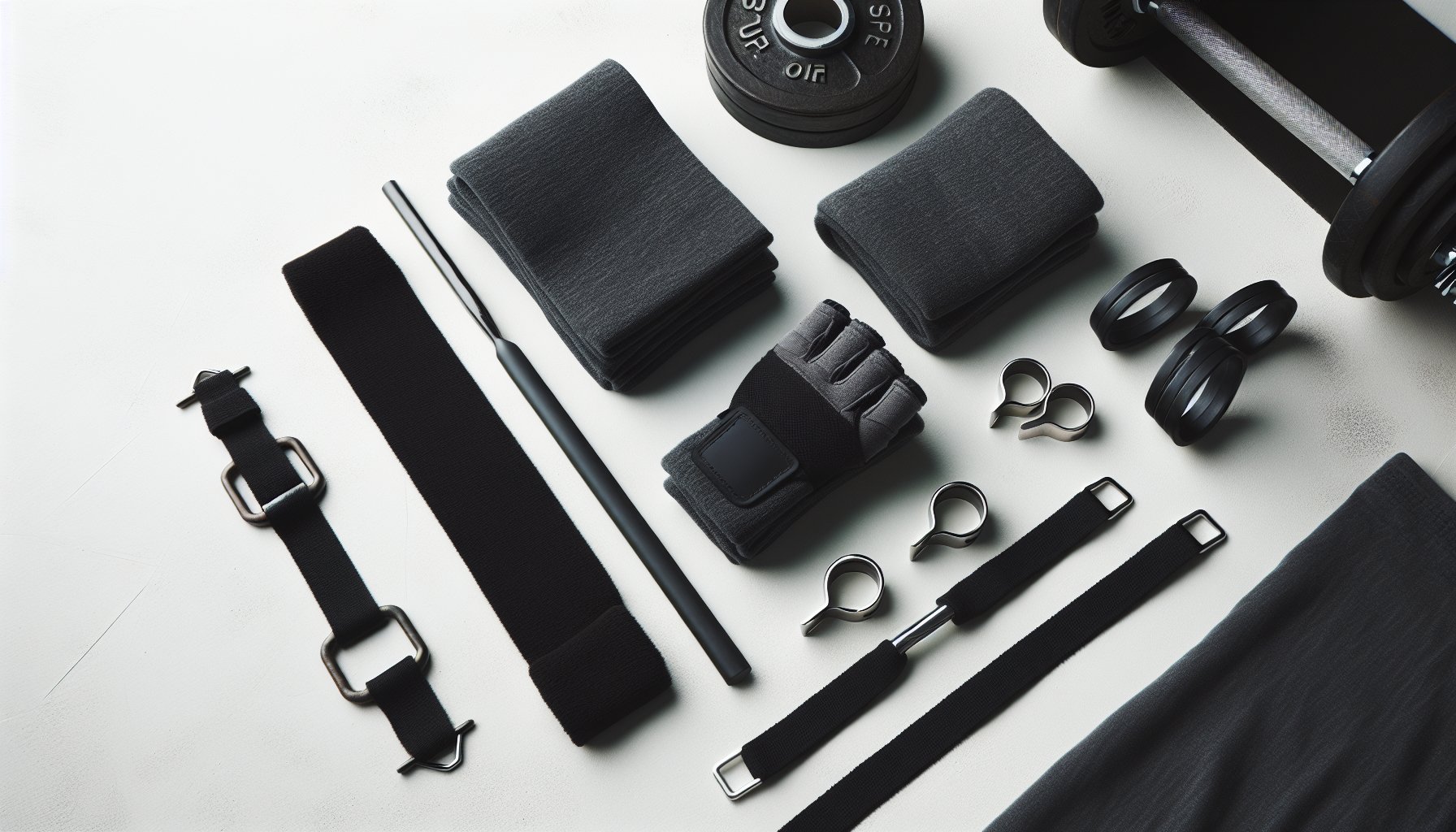
Wrist wraps reduce excessive wrist extension by up to 25 degrees during heavy pressing movements, according to research published in the Journal of Strength and Conditioning Research. This keeps your wrist in a neutral position under load, allowing you to transfer force directly from your forearm to the bar without energy leaks or discomfort.
Quick Summary:
- Wrist wraps limit wrist extension during bench press, overhead press, and front squats
- Stiff wraps provide maximum support for max-effort lifts; flexible wraps allow more natural movement
- Wraps differ from straps: wraps support the wrist joint, straps assist with grip
- Proper wrapping technique involves centered placement over the wrist joint with 50-75% tension
- Most lifters benefit from wraps only on heavy pressing sets above 85% of one-rep max
What Wrist Wraps Actually Do
Wrist wraps are elastic bands that wrap around your wrist to restrict the range of motion at the wrist joint. When you perform pressing movements like the bench press or overhead press, the bar tries to push your hand backward toward your forearm. This hyperextension creates an unstable position where force dissipates instead of transferring cleanly through your forearm bones.
The wrap acts as an external constraint that prevents this excessive backward movement. Your wrist stays closer to neutral alignment, creating a more rigid column from your hand through your forearm. This improved stability allows you to handle heavier weights more safely and often with less wrist discomfort.
Research shows that wrist wraps reduce peak wrist extension angles during the bench press by an average of 15-25 degrees. This matters because maintaining a neutral wrist position allows your forearm bones to stack vertically, creating the most mechanically efficient position for transferring force.
Wrist Wraps vs Wrist Straps: Different Tools
Wrist wraps and wrist straps are completely different pieces of equipment that serve opposite purposes. This confusion causes many beginners to buy the wrong gear.
Wrist wraps encircle your wrist to provide joint support and restrict wrist extension. They have a thumb loop on one end and Velcro closure. You wear them during pressing movements.
Wrist straps are long strips of fabric or leather that wrap around a barbell to assist your grip. They attach your hand to the bar so you can lift heavy weight even when your grip strength fails. You use them during pulling movements like deadlifts and rows.
If you struggle with wrist pain during bench press, you need wraps. If the bar slips out of your hands during heavy deadlifts, you need straps. Learn more about proper pressing technique in our bench press guide.
When to Use Wrist Wraps
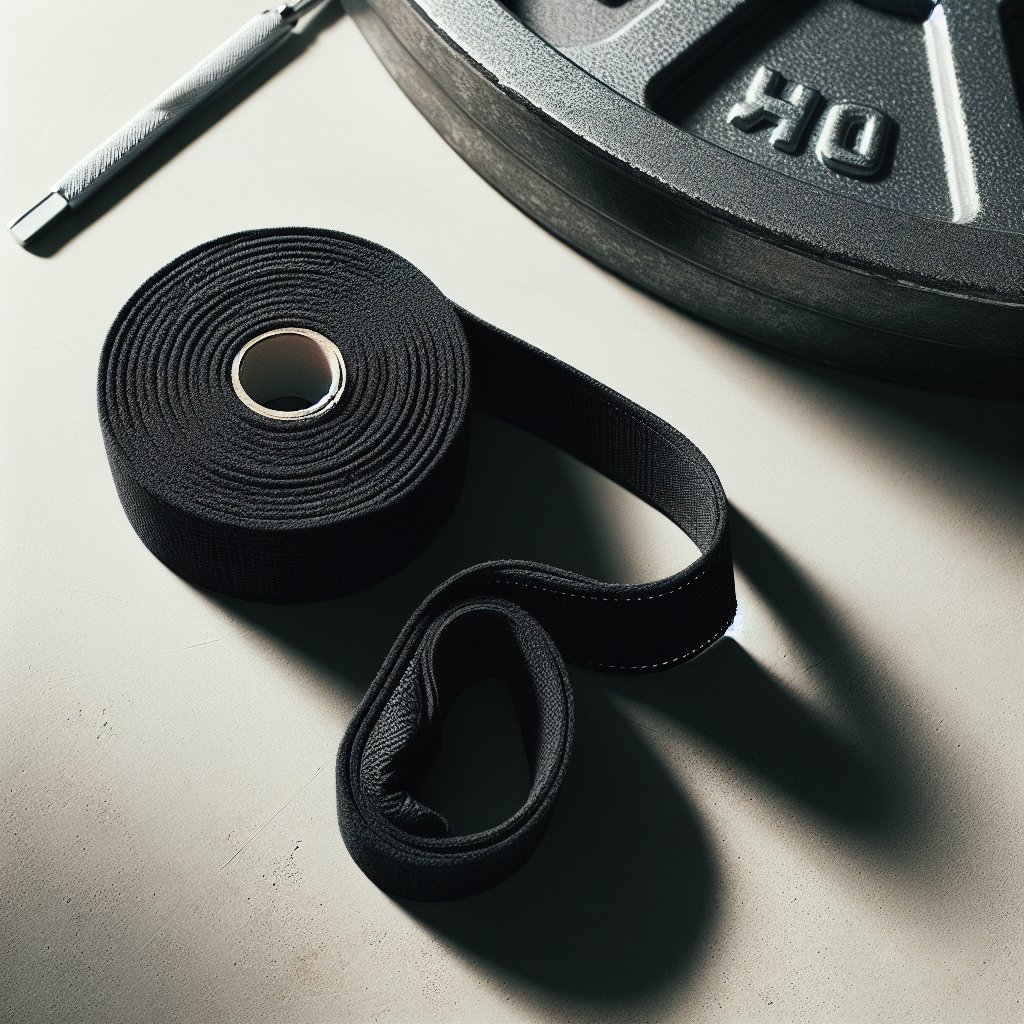
Wrist wraps provide the most benefit during heavy pressing movements where the weight sits directly above your wrist. The primary exercises where wraps help include:
Bench Press: The barbell creates direct downward pressure that tries to extend your wrist. Wraps become helpful when you press 85% or more of your one-rep max.
Overhead Press: Your wrist must support the bar in a stacked position overhead. Any wrist extension creates instability. Wraps help maintain the vertical forearm position needed for efficient pressing.
Front Squats: The barbell rests on your front deltoids with your wrists in an extended position to keep the bar stable. Wraps reduce stress on the wrist joint during this awkward position.
Dips: Your bodyweight plus any added weight creates wrist extension at the bottom of the movement. Wraps help if you experience wrist discomfort during heavy dips.
You typically don't need wraps for warmup sets or lighter working sets below 80% of your max. Your natural wrist stability handles these loads fine. Save the wraps for your heaviest sets to avoid becoming dependent on them for weights you should be able to handle without support.
Most strength coaches recommend using wraps strategically rather than for every pressing set. This approach maintains your natural wrist strength and stability while still providing support when you need it most.
Stiff vs Flexible Wrist Wraps
Wrist wraps come in different stiffness levels based on the material blend and construction. The stiffness determines how much support you get and how natural the movement feels.
Stiff Wraps (Competition Style): Stiff wraps use a tight weave with minimal elastic content. They provide maximum restriction of wrist movement and the most stability. Powerlifters prefer these for max-effort attempts because they create an extremely rigid wrist position. The trade-off is reduced natural feel and potentially decreased bar control if you're not used to the restriction.
Common stiff wrap characteristics include canvas or heavy cotton blends, 3-inch width, minimal stretch, and a very locked-in feeling. These work best for competition lifts and PR attempts.
Flexible Wraps (Training Style): Flexible wraps incorporate more elastic material, allowing your wrist to move through a more natural but still supported range of motion. They provide enough stability to reduce wrist extension while maintaining better proprioception and bar feel. Most recreational lifters prefer flexible wraps for regular training.
Common flexible wrap characteristics include cotton-elastic blends, 2-3 inch width, noticeable stretch, and a supportive but not restrictive feeling. These work best for regular training sessions.
Verdict: Most lifters should start with flexible wraps for training and only consider stiff wraps if they compete in powerlifting or consistently max out on pressing movements.
Proper Wrapping Technique
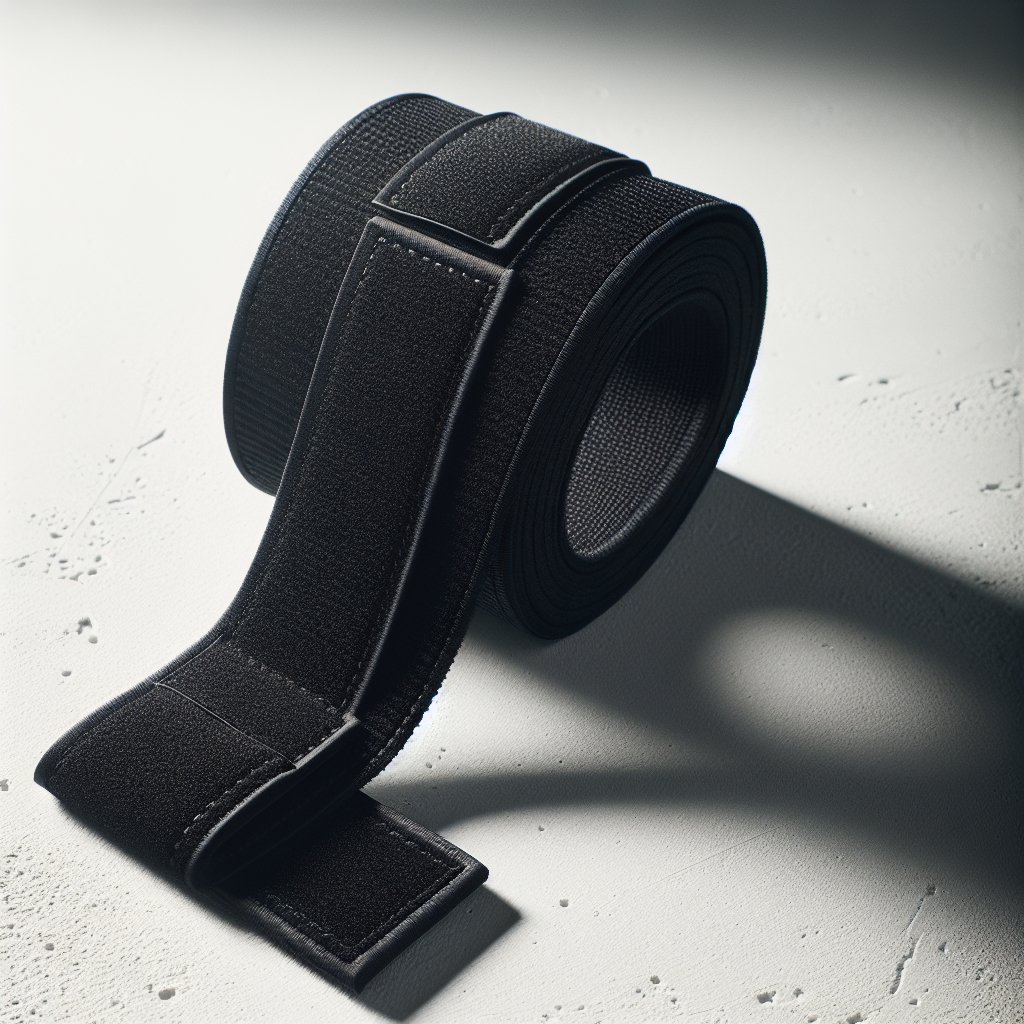
Correct wrap placement and tension make the difference between effective support and wasted money. Follow this process:
Step 1: Position the Thumb Loop Slide your thumb through the loop and position the wrap so it sits centered over your wrist joint, not up on your forearm or down on your hand. The wrap should cover the area from about one inch below your wrist crease to one inch above it.
Step 2: Wrap With Consistent Tension Pull the wrap around your wrist with moderate tension—tight enough to feel supportive but not so tight that it cuts off circulation or causes tingling. Aim for 50-75% of maximum tightness. Each pass around your wrist should overlap the previous layer by about 50%.
Step 3: Angle Slightly Toward Your Thumb As you wrap, angle each pass slightly toward your thumb side. This diagonal pattern provides better support for the natural direction of wrist extension during pressing movements.
Step 4: Secure the Velcro After 2-4 passes around your wrist (depending on wrap length), secure the Velcro closure. The closure should sit on the back or outside of your wrist, not on the palm side where it interferes with bar contact.
Step 5: Test the Tension Make a fist and extend your wrist. You should feel noticeable resistance to wrist extension, but your hand shouldn't turn purple or feel numb. If you lose sensation or see color changes, you wrapped too tight. Unwrap and redo with less tension.
Practice your wrapping technique with lighter weights first. The process should take 10-15 seconds per wrist once you develop proficiency.
Who Benefits From Wrist Wraps
Certain lifters gain more from wrist wraps than others based on their training style, anatomy, and goals.
Powerlifters and Strength Athletes: If you regularly train at 85-100% of your one-rep max on pressing movements, wraps provide measurable performance and safety benefits. The external support lets you focus on pressing mechanics without fighting wrist instability.
Lifters With Hypermobile Wrists: Some people have naturally excessive wrist flexibility. If your wrists hyperextend easily even with proper technique, wraps compensate for this anatomical characteristic.
Athletes Recovering From Wrist Injury: After a wrist sprain or strain, wraps allow you to continue training pressing movements with reduced stress on healing tissues. Check with your healthcare provider before training through any injury.
High-Volume Pressing Programs: If your program includes significant pressing volume, wraps on your heaviest sets reduce cumulative stress on your wrist joints across multiple sessions per week.
People With Wrist Pain During Pressing: If you experience wrist discomfort during bench press or overhead press despite using proper technique, wraps often eliminate or significantly reduce the pain by preventing the painful range of motion.
You probably don't need wraps if you're a beginner lifter, if you primarily train with lighter weights for higher reps, or if you experience no wrist issues with your current training. Build natural wrist strength first by training without support. Check our guide on proper form basics to ensure technique issues aren't causing your wrist problems.
Best Wrist Wraps at Different Price Points
Quality wrist wraps range from budget-friendly options around $15 to premium competition wraps near $50. Here are proven choices at each level.
Budget: Iron Bull Strength Alpha Wraps (around $15) These 18-inch flexible wraps provide solid support for recreational lifting. The cotton-elastic blend offers moderate stiffness suitable for most training. The thumb loop and Velcro hold up well with regular use. These work great if you're trying wraps for the first time or want a backup pair.
Mid-Range: Rogue Fitness Wrist Wraps (around $25) Rogue offers multiple lengths (12, 18, and 24 inches) and stiffness levels. The 18-inch medium-stiff version suits most lifters for regular training. High-quality construction means these last for years of consistent use. The price-to-performance ratio makes these the best overall choice for serious lifters.
Premium Flexible: SBD Flexible Wrist Wraps (around $45) SBD makes some of the most popular wraps in strength sports. The flexible version provides excellent support while maintaining natural bar feel. The 1-meter length gives you multiple wrapping options. These represent top-tier quality for training wraps.
Competition Stiff: Inzer Gripper Wrist Wraps (around $35) Inzer's 24-inch wraps use extremely stiff material approved for powerlifting competition. These provide maximum wrist restriction for max-effort attempts. The aggressive grip pattern prevents slipping during use. Only choose these if you compete or regularly test one-rep maxes.
Versatile Option: Gymreapers Wrist Wraps (around $20) These 18-inch wraps hit a sweet spot between flexibility and support. The moderate stiffness works well for both pressing and front squats. Strong Velcro and reinforced stitching handle heavy use. An excellent choice if you want one pair that does everything reasonably well.
Heavy-Duty Training: Titan Max RPM Wrist Wraps (around $30) Titan's Max RPM line offers stiff support in a training-focused package. The 20-inch length provides plenty of material for secure wrapping. These bridge the gap between training wraps and competition wraps. Consider these if you regularly handle very heavy weights in training.
Start with 18-inch medium-stiff wraps unless you have specific needs. This length and stiffness level works for 90% of lifters. You can always add stiffer or more flexible options later as you understand your preferences. For more lifting accessory guidance, see our lifting belts guide.
When to Avoid Relying on Wrist Wraps
Wrist wraps serve as a tool for specific situations, not a permanent crutch. Overuse creates dependency and prevents natural wrist strengthening.
Don't Use Wraps for Every Set: Your wrists need exposure to training stress to build strength and stability. Using wraps for warmups and lighter working sets prevents this adaptation. Reserve wraps for your heaviest sets, typically those above 80-85% of your one-rep max.
Don't Use Wraps to Fix Technique Issues: If wrist pain comes from incorrect bar path, flared elbows, or improper wrist position, wraps mask the problem without fixing it. Address technique flaws first. Our bench press guide covers proper pressing mechanics.
Don't Ignore Persistent Wrist Pain: Wraps reduce symptoms but don't heal injuries. If you experience consistent wrist pain even with wraps and proper technique, consult a healthcare provider or physical therapist. Training through injury without professional guidance risks long-term damage.
Don't Skip Wrist Strengthening Work: Even if you use wraps for heavy pressing, include wrist strengthening exercises in your program. Wrist curls, reverse wrist curls, and grip training build the muscles and connective tissues that support your wrist naturally.
Don't Use Wraps for Exercises That Don't Need Them: Some lifters wrap their wrists for every exercise including pulling movements and isolation work. This wastes time and prevents your wrists from handling normal training stress. Use wraps specifically for heavy pressing movements and front squats.
The goal is to use wraps as a strategic tool that extends your pressing performance, not as a constant requirement for basic training. Strong, stable wrists that can handle moderate loads without support create a better foundation than weak wrists that always need external assistance. Continue building overall strength with our guide on how to build muscle.
Frequently Asked Questions
How tight should wrist wraps be?
Wrap with 50-75% of maximum tension. You should feel solid support that restricts wrist extension but still allows normal hand function. If your hand tingles, turns purple, or feels numb, you wrapped too tight. If the wraps slide around during your set, you need more tension.
Can I use wrist wraps for deadlifts?
Wrist wraps don't help with deadlifts because deadlifts don't create wrist extension stress. You might be thinking of wrist straps, which are different equipment used to assist grip during pulling movements. Wraps support the wrist joint; straps help you hold onto the bar.
What length wrist wraps should I buy?
Most lifters do best with 18-20 inch wraps. This length provides 2-3 full passes around your wrist with enough overlap for secure support. Shorter 12-inch wraps work for smaller wrists or minimal support needs. Longer 24-30 inch wraps allow more passes for maximum support but take longer to apply.
Do wrist wraps weaken your wrists?
Wraps only weaken your wrists if you use them for every set and never train without support. Strategic use on heavy sets above 85% of your max allows your wrists to handle normal training loads without support while providing assistance when you need it most. Include wrist strengthening exercises to maintain natural stability.
Should beginners use wrist wraps?
Most beginners should focus on building natural wrist strength and stability before adding wraps. If you experience wrist pain despite proper technique, wraps can help, but address any form issues first. Consider wraps after 6-12 months of consistent training when you're handling heavier weights.
Can I bench press more weight with wrist wraps?
Wraps typically don't increase the weight you can press significantly. They improve wrist comfort and stability, which might allow you to focus better on pressing mechanics. Some lifters report 5-10 pound increases on max attempts due to improved confidence and reduced wrist discomfort, but wraps aren't a magic performance enhancer.
How do I wash wrist wraps?
Hand wash wraps in cold water with mild detergent, then air dry. Machine washing breaks down the elastic fibers and Velcro faster. Wash your wraps every 2-4 weeks if you use them multiple times per week. Clean wraps maintain their elasticity longer and smell better.
Are expensive wrist wraps worth it?
Premium wraps from brands like SBD and Inzer use better materials and construction that last longer with consistent use. If you compete or train heavy pressing movements multiple times per week, the investment pays off through durability and performance. For casual use, mid-range options around $20-30 provide excellent value.
When should I replace my wrist wraps?
Replace wraps when the elastic loses significant tension, the Velcro stops gripping securely, or the material shows major fraying. Quality wraps typically last 1-3 years with regular use. If you notice reduced support during lifts or the wraps slide around more than when new, it's time for replacement.
Can I use wrist wraps for arm training?
You don't need wraps for most arm exercises like curls and extensions because these movements don't create significant wrist extension stress. Save wraps for compound pressing movements. Unnecessary wrap use prevents your wrists from adapting to normal training stress. Check our arm training guide for proper exercise execution.
Do I need different wraps for different exercises?
One pair of medium-stiff 18-inch wraps handles all pressing movements effectively for most lifters. You only need multiple pairs if you compete in powerlifting (stiff wraps for meets, flexible for training) or if you want different stiffness levels for different pressing variations. Start with one versatile pair.
The Bottom Line
Wrist wraps reduce wrist extension during heavy pressing movements, keeping your wrist in a stable neutral position. Use flexible wraps for regular training and reserve stiff wraps for max-effort attempts. Wrap with moderate tension centered over your wrist joint. Most lifters benefit from wraps only on heavy sets above 85% of their one-rep max. Don't use wraps as a crutch for every set or as a substitute for proper pressing technique.
Sources:
- Sato K, Fortenbaugh D, Hydock DS. Kinematic changes using weightlifting shoes on barbell back squat. Journal of Strength and Conditioning Research. 2012;26(1):28-33. https://pubmed.ncbi.nlm.nih.gov/22201687/
- Cotterman ML, Darby LA, Skelly WA. Comparison of muscle force production using the Smith machine and free weights for bench press and squat exercises. Journal of Strength and Conditioning Research. 2005;19(1):169-176. https://pubmed.ncbi.nlm.nih.gov/15705030/
- Saeterbakken AH, van den Tillaar R, Fimland MS. A comparison of muscle activity and 1-RM strength of three chest-press exercises with different stability requirements. Journal of Sports Sciences. 2011;29(5):533-538. https://pubmed.ncbi.nlm.nih.gov/21225489/
- National Strength and Conditioning Association. NSCA's Essentials of Personal Training. 2nd ed. Human Kinetics; 2012. https://www.amazon.com/Essentials-Personal-National-Conditioning-Association/dp/0736084150