
The bench press is the most popular upper body exercise in strength training, with research showing it activates the pectoralis major, anterior deltoids, and triceps at 80-100% of their maximum voluntary contraction. Whether you're new to lifting or looking to refine your technique, proper form and programming make the difference between steady progress and shoulder injuries.
Quick Summary:
- Grip width should place forearms vertical at the bottom position, typically 1.5× shoulder width
- A moderate arch in your lower back is natural and protects your shoulders while increasing stability
- Leg drive creates full-body tension and helps maintain upper back tightness throughout the lift
- The bar should travel in a slight arc, touching your chest at nipple line and finishing over your shoulders
- Progressive overload through added weight, volume, or frequency drives long-term strength gains
What Is the Bench Press?
The bench press is a compound pushing exercise performed lying on a flat bench, pressing a loaded barbell from chest level to full arm extension. It primarily targets the pectoralis major (chest), with significant involvement from the anterior deltoids (front shoulders) and triceps brachii (back of the arms).
The movement has three main variations based on bench angle: flat bench (standard), incline bench (upper chest emphasis), and decline bench (lower chest emphasis). The flat bench press serves as the foundation for all pressing movements and remains the most effective exercise for building overall chest mass and upper body pushing strength.
Muscles Worked
The bench press is a multi-joint movement that recruits several major muscle groups. The pectoralis major handles the primary work of horizontal shoulder adduction, bringing your upper arms across your body as you press the bar upward. Your anterior deltoids assist with shoulder flexion, particularly in the bottom half of the movement.
The triceps extend your elbows to lock out the weight at the top, with greater triceps involvement as your grip narrows. Your latissimus dorsi and upper back muscles stabilize your shoulder blades against the bench, creating a stable platform for force production. Even your legs contribute through leg drive, maintaining tension in your posterior chain and transferring force through your planted feet.
Proper Bench Press Form
Start by lying on the bench with your eyes directly under the barbell. Plant your feet flat on the floor in a position that allows you to drive your knees outward slightly. Squeeze your shoulder blades together and down toward your back pockets, creating a tight shelf of muscle against the bench. This position protects your shoulder joints and maximizes chest activation.
Grip the bar with your hands positioned so your forearms are vertical when the bar touches your chest, usually 1.5 to 2 times your shoulder width. Wrap your thumbs around the bar—never use a thumbless "suicide grip" that risks the bar slipping from your hands. Pull the bar out of the rack with straight arms, moving it directly over your chest before beginning your descent.
Lower the bar under control to your nipple line or slightly below, keeping your elbows at roughly a 45-degree angle from your torso. Touch your chest lightly without bouncing, then drive the bar back up in a slight arc, finishing with the bar over your shoulders and elbows locked. Maintain your shoulder blade position and leg drive throughout every repetition.
The Role of Arch and Leg Drive
A natural arch in your lower back is not only safe but beneficial for bench press performance. When you retract your shoulder blades and maintain chest-up positioning, your spine naturally assumes a moderate arch. This position reduces the distance the bar must travel, places your shoulders in a safer position, and allows greater chest muscle recruitment.
Leg drive provides stability and helps you maintain upper back tightness throughout the set. Push your feet into the floor as if trying to slide your body up the bench toward your head. This creates tension through your glutes and core, preventing your body from shifting on the bench. The added stability translates to more consistent bar path and increased weight capacity, with powerlifters using aggressive leg drive to maximize their competition lifts.
Verdict: Proper setup with shoulder blade retraction, a natural spinal arch, and active leg drive creates a stable, powerful position that protects your shoulders and maximizes your pressing strength.
Grip Width and Hand Position
Your grip width directly affects which muscles work hardest and your injury risk. A wider grip increases chest involvement but places more stress on your shoulder joints and reduces your range of motion. A narrower grip emphasizes triceps activation and allows a longer range of motion but may feel unstable with heavy weights.
The optimal grip for most lifters places hands at a width where forearms remain vertical throughout the descent. Look down at your forearms when the bar touches your chest—they should form a straight line from elbow to wrist to bar. This position typically falls between 1.5 and 2 times shoulder width, marked by the smooth rings found on standard Olympic barbells.
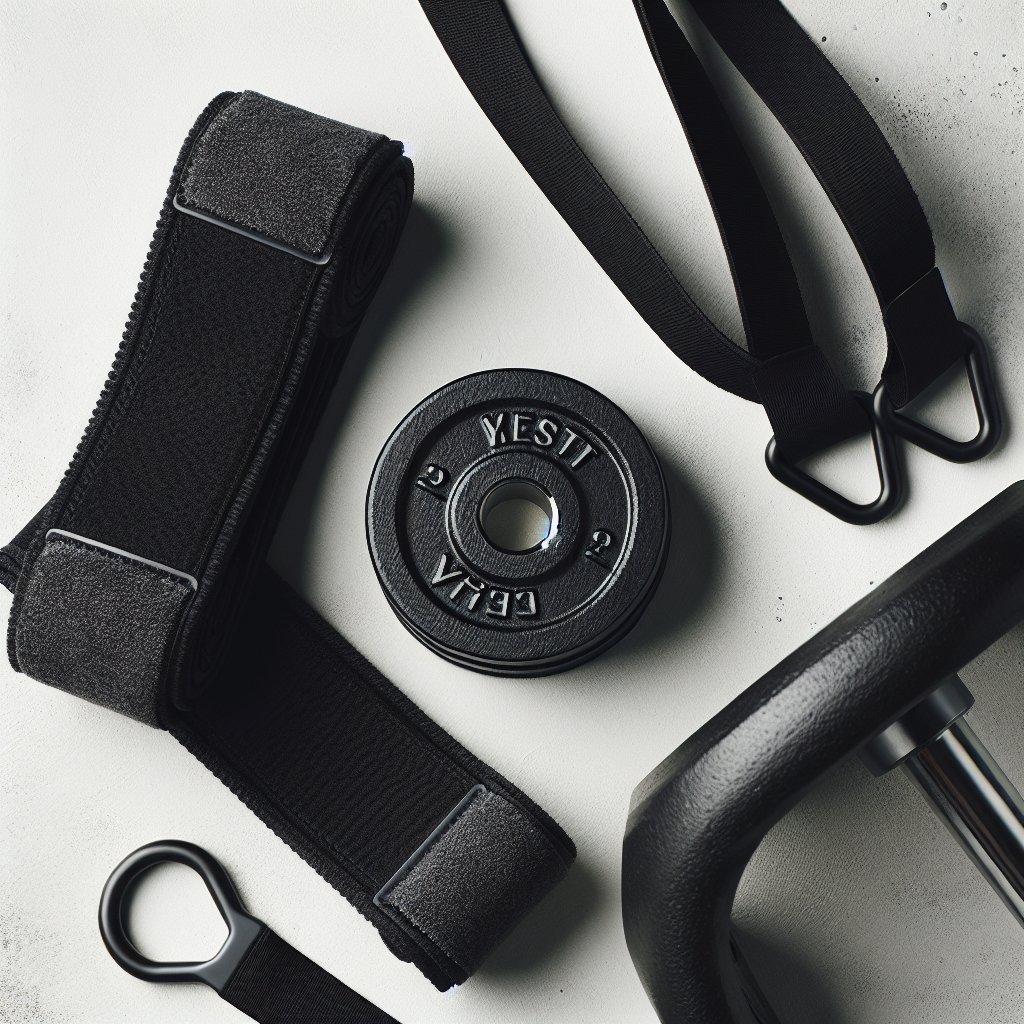
Your wrist position matters just as much as grip width. Keep your wrists stacked directly over your forearms rather than bending backward. Bent wrists reduce force transfer and increase injury risk. The Rogue Fitness Wrist Wraps (around $30) provide support during heavy sets if you struggle with wrist stability.
Bar Path and Pressing Mechanics
The most efficient bar path is not a straight vertical line. Lower the bar to your nipple line or slightly below—the exact point depends on your arm length and torso proportions. As you press, the bar should travel in a slight arc back toward your face, finishing directly over your shoulders with elbows locked.
This J-shaped bar path keeps the weight over your elbows and shoulders throughout the movement, maintaining mechanical advantage. Pressing straight up from your chest places the bar too far forward at lockout, forcing your shoulders to support the weight rather than your skeletal structure. Film yourself from the side to check your bar path, ensuring the bar stays over your forearms throughout the entire range of motion.
Touch your chest on every repetition. Partial reps limit muscle development and create weak points in your range of motion. The brief pause at chest level also prevents bouncing, which transfers momentum instead of building strength. Competition powerlifters must pause at chest level for a judge's command, making pause reps excellent practice for building consistent technique.
Bench Press Variations
The incline bench press shifts emphasis to your upper chest and front deltoids by setting the bench at a 30-45 degree angle. This variation addresses the often-underdeveloped clavicular head of the pectoralis major. Keep the same principles of shoulder blade retraction and controlled bar path, touching the bar to your upper chest near your collarbone.
The decline bench press targets your lower chest fibers by setting the bench at a negative angle, typically 15-30 degrees. This variation allows slightly heavier weights due to favorable leverage but provides minimal benefit over the flat bench for most lifters. If you include decline work, treat it as an accessory movement rather than a primary exercise.
The dumbbell bench press offers several advantages over the barbell version. Each arm works independently, preventing your stronger side from compensating. The increased range of motion allows your hands to drop below chest level, creating a deeper stretch in your chest muscles. Dumbbells also permit a neutral grip (palms facing each other), which some lifters find more shoulder-friendly.
The Rogue Fitness Adjustable Dumbbells (approximately $400 per pair) save space and allow weight progression in smaller increments than standard fixed dumbbells. For detailed programming strategies, see our progressive overload guide.
Common Form Errors
Bouncing the bar off your chest creates momentum that robs your muscles of work and risks rib or sternum injury. Control the descent and touch your chest lightly, pausing long enough to eliminate bounce. If you struggle to pause without losing tightness, reduce the weight and build strength in the bottom position with 2-3 second pauses.
Flaring your elbows out to 90 degrees from your torso increases shoulder impingement risk. Keep elbows at roughly 45 degrees, creating an arrow shape when viewed from above rather than a T-shape. This position maintains chest activation while protecting your shoulder joints from excessive stress.
Lifting your butt off the bench breaks your leg drive connection and creates an unstable base. If your hips rise during heavy sets, you're likely over-arching or placing your feet too far back. Move your feet slightly forward and focus on driving straight down into the floor rather than pushing your hips up.
Losing shoulder blade retraction as you press allows your shoulders to roll forward, increasing injury risk and reducing pressing power. Initiate every set by squeezing your shoulder blades together and down, maintaining that position from the first rep to the last. For foundational movement principles, check our proper form basics guide.
Spotter Etiquette and Safety
A good spotter stands behind the bench with their hands positioned near but not touching the bar, ready to assist if you fail a repetition. Communicate before each set whether you want a liftoff—help removing the bar from the rack—or prefer to unrack the weight yourself. Specify how many repetitions you're attempting so your spotter knows when to pay closest attention.
If you need assistance during a set, your spotter should help only as much as necessary for you to complete the repetition. They're not performing a barbell row behind your head. Use verbal cues: "All you" means they should fully support the weight, while "Just a finger" means minimal assistance.
Training alone requires extra safety precautions. Leave the collar clips off the bar—if you get pinned, you can tilt the bar to one side and let the plates slide off. Better yet, use safety bars or safety straps set just below chest level, allowing full range of motion while catching the bar if you fail. Many lifters also keep their thumbs under the bar and use a wider grip when training without a spotter, sacrificing some weight for added security.
Programming for Beginners
New lifters should bench press 2-3 times per week, allowing at least one rest day between sessions. Start each workout with 3-5 sets of 5-8 repetitions at a weight that leaves 2-3 reps in the tank. This approach builds technical proficiency while managing fatigue.
Add 5 pounds to the bar when you can complete all prescribed sets with good form. This linear progression works for several months in beginners, with upper body lifts increasing more slowly than lower body movements. Track your workouts in a notebook or phone app, noting weights, sets, reps, and how each set felt.
Supplement your bench press work with accessory exercises that build your pressing muscles. Dumbbell presses, push-ups, and overhead pressing develop your chest, shoulders, and triceps from different angles. Include pulling exercises like rows and pull-ups at a 1:1 ratio with pressing movements to maintain shoulder health and muscular balance. Our how to build muscle guide covers training principles for maximizing growth.
Intermediate Programming Strategies
Intermediate lifters who can no longer add weight every session benefit from periodized programming. The Texas Method alternates heavy and light bench press days: a volume day with 5 sets of 5 repetitions at 90% of your 5-rep max, a light day with 2 sets of 5 at 70%, and a heavy day testing a new 5-rep max.
Another effective approach uses daily undulating periodization, rotating between heavy days (3-5 sets of 3-5 reps), moderate days (3-4 sets of 6-8 reps), and light days (2-3 sets of 10-12 reps) throughout the week. This frequency provides varied stimulus while managing joint stress.
Competition powerlifters and advanced lifters often benefit from specific programs like Sheiko, Conjugate Method, or RPE-based training. These approaches require substantial training experience to execute properly. The Rogue Ohio Power Bar (around $385) provides the stiff shaft and aggressive knurling preferred for heavy bench press work.
Include bench press variants and accessory work to address weak points. If you struggle off your chest, add paused reps and increase training volume. If lockout is your weakness, add board presses or close-grip bench pressing to build triceps strength. Shoulder and upper back work prevents imbalances that limit pressing strength—maintain a 1:1 ratio of pressing to pulling exercises.
For detailed program structure, see our push pull legs guide for organizing your weekly training split.
Frequently Asked Questions
How much should I be able to bench press?
Beginner standards typically range from 0.5× bodyweight for novices to 1× bodyweight after several months of consistent training. Intermediate lifters often bench 1.25-1.5× bodyweight, while advanced lifters exceed 1.5-2× bodyweight. These numbers vary significantly based on age, gender, bodyweight, and training history.
Should I touch the bar to my chest on every rep?
Yes, touching the bar to your chest ensures you're training through a full range of motion and building strength at every point in the movement. Partial reps create weak points and limit muscle development. If you can't touch your chest with good form, reduce the weight.
Is an arch in my back dangerous?
A natural arch created by proper shoulder blade positioning is safe and beneficial. Your lumbar spine has a natural lordotic curve—forcing it flat under heavy load creates more stress, not less. The arch should come from your upper back position, not from forcing your lower back into hyperextension.
How do I prevent shoulder pain when benching?
Maintain shoulder blade retraction throughout each set, keep elbows at 45 degrees rather than flared to 90 degrees, and ensure your grip width keeps forearms vertical. If pain persists, reduce training volume and include rotator cuff exercises and horizontal pulling movements.
What's the difference between dumbbell and barbell bench press?
Barbells allow heavier loads and easier progression, making them ideal for building maximum strength. Dumbbells provide greater range of motion, work each side independently, and allow various grip positions. Most programs benefit from including both variations.
How often should I bench press each week?
Most lifters respond well to 2-3 bench press sessions weekly, with at least one day between sessions. Beginners do well with 2 sessions, while intermediate and advanced lifters often benefit from 3-4 pressing sessions when volume and intensity are properly managed.
Do I need a spotter for every set?
You need a spotter for sets where there's any risk of failing a repetition, particularly when training near your maximum capacity. For lighter sets with reps in reserve, safety equipment like safety bars or training with collar clips removed provides adequate protection.
Should I pause at the bottom of each rep?
Competition powerlifters must pause for a judge's command, making pause reps essential practice. For general strength development, a brief controlled touch is sufficient, though pause reps build strength off the chest and eliminate momentum.
How do I break through a bench press plateau?
Add training volume through extra sets or weekly frequency, address weak points with targeted accessory work, ensure adequate recovery between sessions, and verify your nutrition supports muscle growth. Sometimes a deload week of reduced volume allows recovery and subsequent progress.
What equipment do I need for bench pressing?
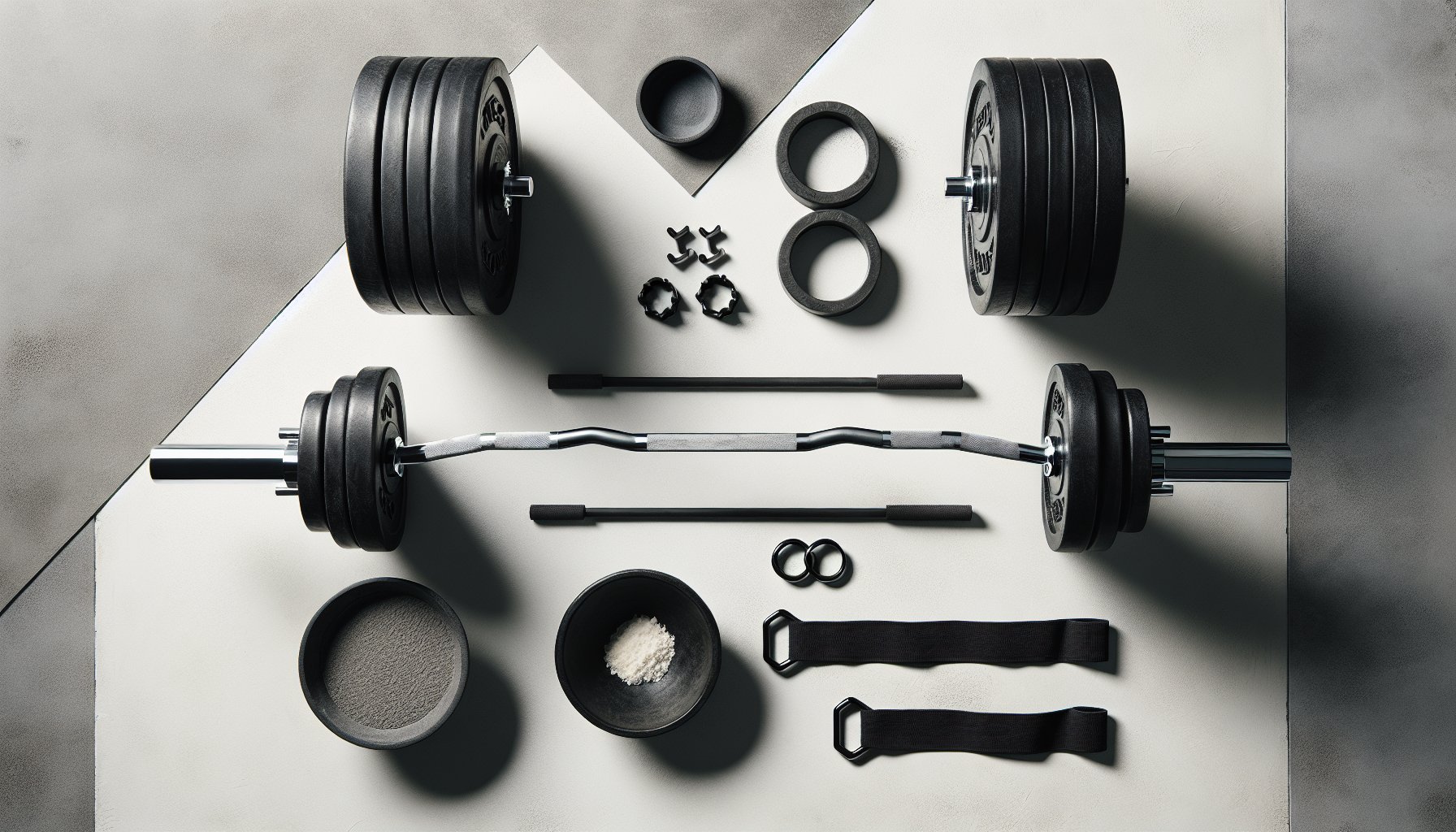
A barbell, weight plates, and a sturdy bench with a rack are essential. The Rogue Fitness Flat Utility Bench (approximately $275) provides competition-standard dimensions and weight capacity. Optional but useful items include wrist wraps, lifting chalk for grip, and a dedicated spotter for heavy attempts.
Can I build a big chest with just bench pressing?
The bench press effectively builds chest mass, but including variations like incline pressing, dumbbell work, and isolation exercises like flies creates more complete development. Different angles and movement patterns target all regions of your pectoralis major.
The Bottom Line
The bench press builds upper body strength and muscle mass when performed with proper form and intelligent programming. Focus on shoulder blade retraction, appropriate grip width, controlled bar path, and leg drive to maximize your pressing power while protecting your shoulders. Progress from linear progression as a beginner to periodized programming as you advance, always prioritizing technique over adding weight before you're ready.
Sources:
- Stastny P, et al. A systematic review of surface electromyography analyses of the bench press movement task. PLOS ONE. https://journals.plos.org/plosone/article?id=10.1371/journal.pone.0171632
- Saeterbakken AH, et al. The effects of bench press variations in competitive athletes on muscle activity and performance. Journal of Human Kinetics. https://www.ncbi.nlm.nih.gov/pmc/articles/PMC5504579/
- Haugen ME, et al. Effect of free-weight vs. machine-based strength training on maximal strength, hypertrophy and jump height. Journal of Sports Science & Medicine. https://www.ncbi.nlm.nih.gov/pmc/articles/PMC8314162/
- American College of Sports Medicine. Progression models in resistance training for healthy adults. Medicine & Science in Sports & Exercise. https://journals.lww.com/acsm-msse/Fulltext/2009/03000/Progression_Models_in_Resistance_Training_for.26.aspx