
The squat activates over 200 muscles simultaneously, making it one of the most effective exercises for building total-body strength and muscle mass. Research in the Journal of Strength and Conditioning Research found that squats produce significantly greater testosterone and growth hormone responses compared to leg presses.
Quick Summary:
- High bar sits on traps, low bar on rear delts — bar placement determines torso angle
- Squat to at least parallel depth with knees tracking outward over toes
- Start with goblet squats to master mechanics before barbell variations
- Program 3-6 sets of 3-12 reps based on strength or muscle-building goals
- Use a lifting belt only for heavy working sets above 80% of your maximum
What Is the Squat?
The squat is a compound movement where you lower your body by bending at the hips, knees, and ankles, then return to standing. The barbell back squat remains the gold standard for developing lower body strength and muscle mass across all training disciplines.
Muscles Worked
The squat targets your quadriceps, glutes, hamstrings, and adductors as primary movers. Your core and erector spinae create intra-abdominal pressure to protect your spine under load. Your back, shoulders, and calves work as stabilizers.
High bar squats create a more upright torso, emphasizing quadriceps. Low bar squats increase hip hinge, shifting work to your glutes and posterior chain.
How to Perform the Back Squat
Set the barbell in a power rack at upper-chest height. Step under the bar and place it across your upper back — high bar on your traps or low bar on your rear deltoids. Grip the bar slightly wider than shoulder-width to create upper back tightness.
Unrack the bar and take 2-3 small steps backward. Position your feet shoulder-width to slightly wider, with toes pointed 15-30 degrees outward. This stance allows your femurs to clear your pelvis without hip impingement.
Initiate the descent by pushing your hips back and bending your knees simultaneously. Keep your chest up and maintain a neutral spine. Track your knees outward, aligned with your toes, preventing inward collapse. Lower until your hip crease drops below the top of your knee.
Drive upward by pushing through your whole foot, maintaining even pressure from heel to toe. Keep your chest up and knees tracking outward. Stand fully to complete the repetition.
High Bar vs Low Bar Positioning
High bar placement positions the barbell across your upper trapezius, just below the base of your neck. This creates a more upright torso angle, increasing quadriceps activation. Olympic weightlifters prefer high bar because it mimics the receiving position for cleans and snatches.
Low bar placement sets the barbell 2-3 inches lower on your posterior deltoids. This position requires greater forward lean, shifting emphasis to your glutes and posterior chain. Powerlifters choose low bar squats because the mechanical advantage allows handling 5-10% more weight.
Choose high bar if you have good ankle mobility and want maximum quad development. Select low bar if you have limited ankle mobility, longer femurs, or prioritize absolute strength.
Verdict: Start with high bar squats to master upright positioning and proper depth. Switch to low bar once you understand hip hinge mechanics and want to maximize your squat numbers.
Squat Variations
Front squats place the barbell across your anterior deltoids with elbows pointed forward. The front-loaded position demands an upright torso, dramatically increasing quadriceps emphasis while reducing spinal compression.
Goblet squats use a dumbbell or kettlebell held vertically against your chest. This variation teaches proper mechanics, making it ideal for beginners. Try the Rogue Fitness Kettlebell Set (around $130) to build strength before barbell variations.
Box squats involve descending to a box at parallel height, pausing, then exploding upward. This teaches proper depth while developing explosive strength.
Depth Standards
Parallel depth occurs when your hip crease descends to knee height. This represents minimum acceptable depth for powerlifting. Research in the Journal of Strength and Conditioning Research demonstrated that parallel squats produce approximately 70% of the quadriceps and glute activation seen in deep squats.
Deep squats continue below parallel. Full range of motion squats produce maximum muscle activation, particularly in glutes and hamstrings. Studies show deep squats do not damage healthy knees with proper technique.
Achieving proper depth requires adequate ankle dorsiflexion, hip flexion, and thoracic extension. If you cannot reach parallel without heels lifting or lower back rounding, address mobility limitations. Consider our mobility guide for exercises to improve squat depth.
Knee Tracking and Safety
Your knees should track in line with your toes throughout the movement. As you descend, push your knees outward, creating space for your hips to drop between your legs. This alignment distributes forces evenly across your knee joint.
Knee valgus (inward collapse) represents the most dangerous alignment error. When your knees cave inward during the ascent, excessive force transfers to your medial collateral ligaments and menisci. Address valgus by strengthening your glutes and adductors, cueing yourself to push knees outward, and reducing weight.
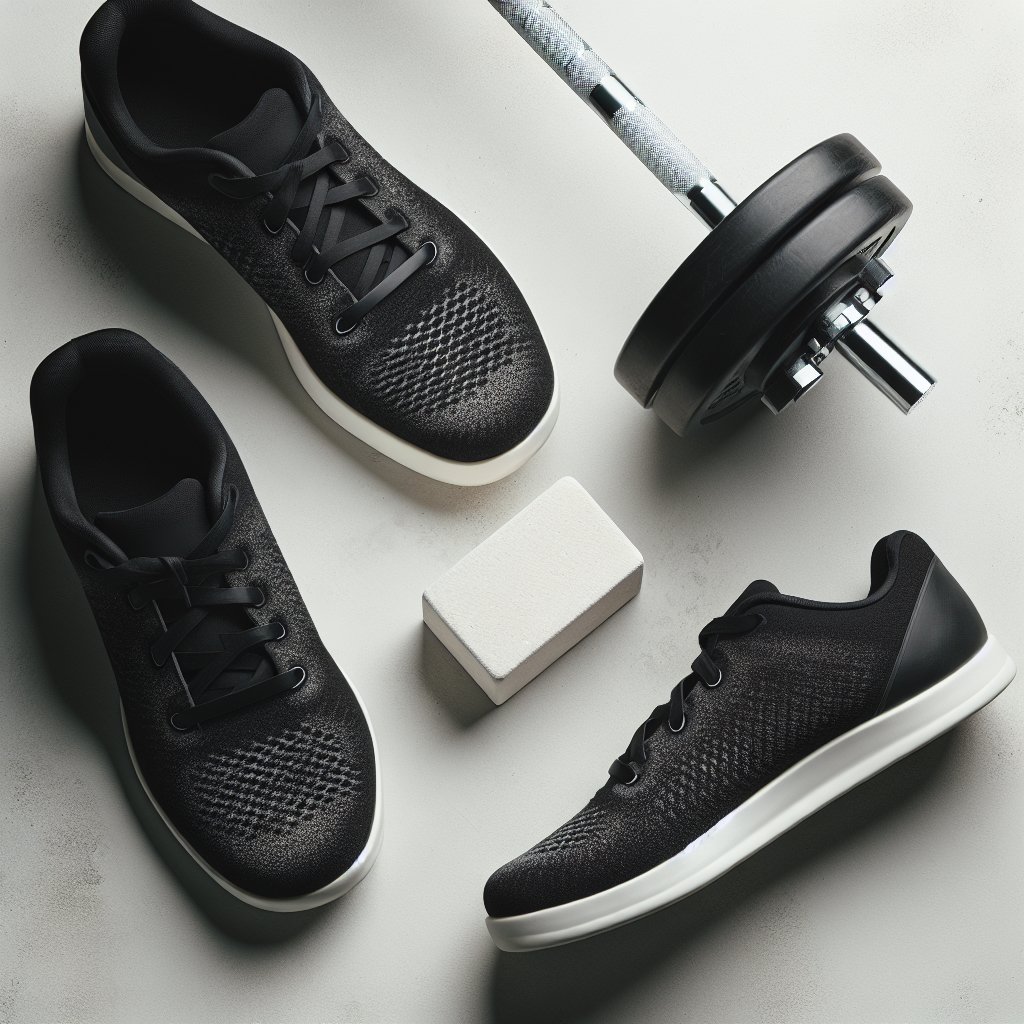
Your knees traveling forward past your toes does not cause injury when alignment stays neutral. Ankle mobility determines how far forward your knees can safely travel. Wearing weightlifting shoes with elevated heels improves ankle dorsiflexion range. The Adidas Adipower Weightlifting Shoes (around $200) provide excellent heel elevation and stability.
Common Form Errors
Buttwink occurs when your lower back rounds at the bottom. This results from limited hip flexion mobility or squatting deeper than flexibility allows. Reduce depth slightly and work on hip mobility.
Heel lifting during descent indicates insufficient ankle dorsiflexion or an excessively upright torso. Address this by incorporating ankle mobility drills, wearing weightlifting shoes, or switching to low bar positioning.
Excessive forward lean occurs when your torso approaches horizontal, shifting the bar forward. This increases spinal loading and reduces power. Strengthen your core and upper back, ensure proper bar placement, and reduce weight if needed.
Shooting hips describes when hips rise faster than shoulders during ascent. This indicates weak quadriceps relative to posterior chain. Include tempo squats and paused squats to build bottom position strength.
Programming Sets and Reps
For maximum strength, perform 3-6 working sets of 1-5 reps at 85-95% of your one-rep maximum. Allow 3-5 minutes rest between sets to ensure full recovery.
For muscle hypertrophy, target 3-5 working sets of 6-12 reps at 65-85% of your maximum. This moderate intensity with higher volume creates optimal muscle damage and metabolic stress. Rest 2-3 minutes between sets.
For muscular endurance, perform 2-4 sets of 15-20 reps at 50-65% intensity. Rest 1-2 minutes between sets.
Beginners should squat 2-3 times weekly, intermediates 2 times weekly, and advanced lifters 1-2 times weekly. Progressive overload remains essential across all experience levels. Learn more about implementing progressive overload in our progressive overload guide.
Belt Usage and Equipment
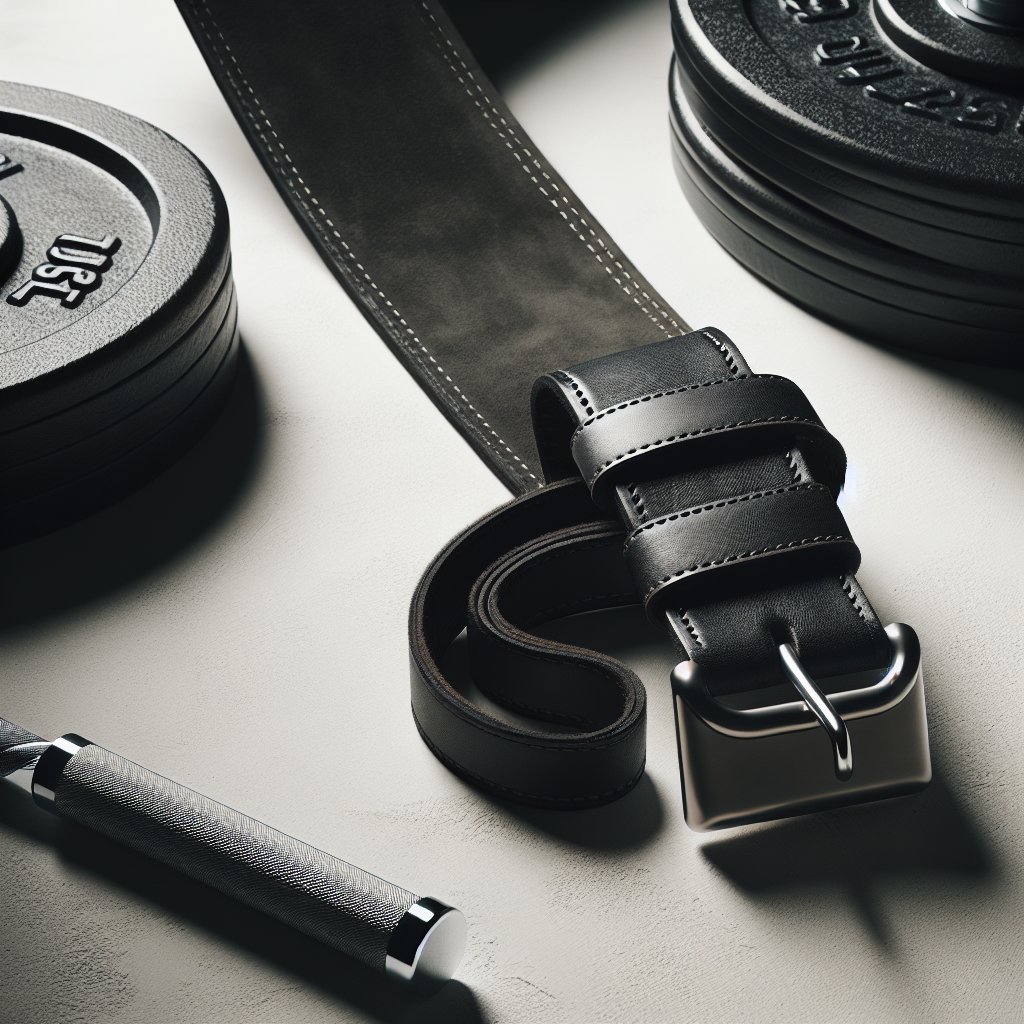
Weightlifting belts increase intra-abdominal pressure, providing spinal support under heavy loads. Research in Medicine & Science in Sports & Exercise found that belts increase squat performance by approximately 5-15% while reducing spinal compression. Use a belt for sets above 80% of your maximum, but train beltless to develop natural core strength.
The Rogue Ohio Lifting Belt (around $90) provides excellent support. The Rogue Fitness Wrist Wraps (around $25) prevent wrist hyperextension in low bar position. The SBD Knee Sleeves (around $90) provide compression and warmth during high-volume training.
Squat Progressions
Start with bodyweight squats to establish movement mechanics. Perform 3 sets of 10-15 reps daily until the pattern feels natural.
Progress to goblet squats once technique is clean. Build to 3 sets of 10 reps with a 35-50 pound dumbbell.
Transition to barbell back squats starting with just the 45-pound bar. Master the setup and unrack procedures before adding weight. Increase load by 5-10 pounds weekly as technique remains solid.
Add front squats, paused squats, and tempo squats once you can back squat your bodyweight for 5 clean reps. Check our deadlift guide to understand how squats and deadlifts complement each other.
Frequently Asked Questions
Should I squat below parallel?
Yes, if your mobility allows. Research demonstrates that deep squats produce greater muscle activation in your glutes and hamstrings compared to parallel squats. Squat to the deepest position you can achieve while maintaining neutral spine alignment and heel contact.
How often should I squat each week?
Most lifters achieve optimal results squatting 2-3 times weekly with at least one rest day between sessions. Beginners handle higher frequency better due to lighter loads. Advanced lifters often reduce frequency to 1-2 times weekly for adequate recovery.
Why do my knees hurt when I squat?
Knee pain during squats typically results from technique errors like knee valgus, excessive forward knee travel, or insufficient warm-up. Video your squats to identify form breakdowns, reduce weight to master proper mechanics, and ensure thorough warm-up. Persistent pain requires medical evaluation.
Can squats damage my knees or back?
Properly performed squats with appropriate loading do not damage healthy joints. Multiple studies have found that squats strengthen connective tissues when technique remains sound. Injuries occur when lifters use excessive weight with poor form or progress too rapidly.
Should I use a belt when squatting?
Use a belt for heavy working sets above 80% of your maximum to increase core stability. Train beltless for warm-up sets to develop natural core strength. Beginners should establish solid technique before introducing a belt, typically after 3-6 months of consistent training.
How do I increase my squat numbers?
Increase your squat through progressive overload, addressing weak points, and ensuring adequate recovery. Add weight when you complete all programmed sets with clean technique. Include variation exercises like paused squats and front squats. Eat sufficient protein and calories to support muscle growth.
Should beginners start with front squats or back squats?
Beginners should start with goblet squats to learn proper mechanics, then progress to back squats. Back squats allow handling heavier loads with less technical demand. Add front squats after establishing competency with back squats, typically after 3-6 months of training.
How low should I go on squats?
Descend to at least parallel depth where your hip crease reaches the same height as the top of your knee. This provides substantial muscle activation and meets powerlifting standards. Progress to below-parallel depth if your mobility allows.
What is the best squat stance?
Most lifters perform best with feet shoulder-width to slightly wider, toes pointed outward 15-30 degrees. Experiment to find the position that allows the deepest squat without hip impingement.
The Bottom Line
The squat builds total-body strength, muscle mass, and functional capacity more effectively than any single movement. Master proper technique starting with bodyweight and goblet variations before progressing to heavy barbell loads. Squat to at least parallel depth with knees tracking outward and neutral spine. Program 2-3 sessions weekly with appropriate volume and intensity.
Sources:
- Schoenfeld, B. J. (2010). Squatting kinematics and kinetics and their application to exercise performance. Journal of Strength and Conditioning Research, 24(12), 3497-3506. https://journals.lww.com/nsca-jscr/
- Hartmann, H., et al. (2013). Influence of squatting depth on jumping performance. Journal of Strength and Conditioning Research, 27(12), 3243-3261. https://journals.lww.com/nsca-jscr/
- Lander, J. E., et al. (1986). The effectiveness of weight-belts during the squat exercise. Medicine & Science in Sports & Exercise, 18(5), 517-523. https://journals.lww.com/acsm-msse/
- Caterisano, A., et al. (2002). The effect of back squat depth on the EMG activity of 4 superficial hip and thigh muscles. Journal of Strength and Conditioning Research, 16(3), 428-432. https://journals.lww.com/nsca-jscr/