
A 2% loss in body water cuts aerobic endurance by up to 10% and reduces strength output by 2-3%, according to a 2007 study in the Journal of Athletic Training. That is the equivalent of one hard training session without adequate fluid replacement. Electrolyte drinks help you rehydrate faster than water alone, but most commercial sports drinks pack 30-40 grams of sugar per bottle. The no-sugar alternatives on this list deliver the minerals you need without the blood sugar spike.
Quick Summary:
- Electrolytes (sodium, potassium, magnesium) regulate muscle contraction, nerve signaling, and fluid balance during exercise
- You need electrolyte supplementation when training exceeds 60 minutes, when you sweat heavily, or when exercising in heat
- Prioritize sodium content (at least 500 mg per serving) and skip products loaded with sugar or artificial dyes
- LMNT, Nuun Sport, and Ultima Replenisher are the top no-sugar options based on ingredient profiles and cost per serving
- A simple DIY electrolyte drink with salt, citrus juice, and water works just as well for casual training
What Electrolytes Are and Why They Matter
Electrolytes are minerals that carry an electrical charge when dissolved in water. Your body uses them to conduct nerve impulses, contract muscles, and regulate how much fluid stays inside and outside your cells. The three most critical electrolytes for athletes are sodium, potassium, and magnesium.
Sodium is the primary electrolyte lost in sweat. The average person loses 900-1,400 mg of sodium per liter of sweat during exercise, according to the American College of Sports Medicine. Sodium drives thirst, helps your intestines absorb water, and maintains blood volume. Low sodium during prolonged exercise causes hyponatremia — a dangerous condition that triggers headaches, nausea, and in extreme cases, seizures.
Potassium works alongside sodium to balance fluid inside your cells. It is essential for heart rhythm regulation and smooth muscle contraction. A 2015 study in Advances in Nutrition found that inadequate potassium intake impairs glucose metabolism and increases blood pressure — both of which directly affect training performance.
Magnesium supports over 300 enzymatic reactions, including energy production and protein synthesis. Research published in Nutrients in 2017 showed that 48% of the U.S. population consumes less magnesium than the estimated average requirement. For athletes, low magnesium increases oxygen cost during exercise and accelerates fatigue.
Our hydration guide covers the full picture of fluid intake for active people.
When You Actually Need Electrolytes
Not every workout requires an electrolyte drink. A 30-minute strength session in an air-conditioned gym? Plain water handles the job. Supplementation becomes necessary under specific conditions.
Duration over 60 minutes. The National Athletic Trainers' Association recommends electrolyte replacement for any exercise lasting longer than one hour. Shorter sessions rarely deplete mineral stores enough to affect performance.
Heavy sweating. Some people are "salty sweaters" — identified by white residue on skin or clothing after training. A 2019 study in the British Journal of Sports Medicine found that individual sweat sodium concentration ranges from 230 to 2,000 mg per liter.
Hot environments. Heat increases sweat rate by 30-50%. Athletes training in 90+ degree heat can lose 2-3 liters of sweat per hour, significantly raising electrolyte losses.
High-intensity training. Sessions like those in our HIIT guide push heart rate above 80% of max, increasing metabolic heat production and sweat output.
Low-carb or fasted training. Ketogenic diets reduce insulin levels, which causes the kidneys to excrete more sodium. If you train fasted or eat low-carb, electrolyte needs increase substantially.
What to Look For in an Electrolyte Drink
Sodium content: 500-1,000 mg per serving. This is the most important number on the label. Many mainstream sports drinks contain only 150-270 mg of sodium — not enough to offset losses during serious training.
Zero or minimal sugar. Traditional sports drinks like Gatorade contain 34 grams of sugar per 20-ounce bottle. For most gym-goers, that adds empty calories. Sugar-free products use stevia, monk fruit, or no sweetener at all.
No artificial colors or fillers. Red 40, Yellow 5, and Blue 1 serve no functional purpose. Clean alternatives exist — there is no reason to consume synthetic dyes.
Adequate potassium and magnesium. A good formula includes 150-400 mg of potassium and 50-100 mg of magnesium per serving to complement dietary intake.
Verdict: Choose an electrolyte drink with at least 500 mg of sodium, zero sugar, and no artificial dyes. For most people training 3-5 days per week, one serving during or after workouts lasting over 60 minutes is enough. Pair this with solid pre-workout nutrition and you will maintain performance across your entire session.
Best No-Sugar Electrolyte Drinks for 2026
LMNT Electrolyte Mix
LMNT Electrolyte Mix delivers 1,000 mg of sodium, 200 mg of potassium, and 60 mg of magnesium per packet — the highest sodium content on this list. Zero sugar, zero artificial ingredients, zero fillers.
Pros: Highest sodium per serving, clean ingredient list, strong flavors (Citrus Salt and Watermelon Salt stand out). Cons: Premium price, stevia may not appeal to everyone, limited potassium. Price: Around $45 for 30 packets ($1.50/serving). Best for: Heavy sweaters, long sessions, low-carb athletes.
Nuun Sport Electrolyte Tablets
Nuun Sport Electrolyte Tablets are effervescent tablets you drop into 16 ounces of water. Each tablet provides 300 mg sodium, 150 mg potassium, 25 mg magnesium, and 13 mg calcium at just 15 calories.
Pros: Extremely portable, affordable, light and refreshing taste. Cons: Lower sodium than LMNT, contains 1 gram of sugar per tablet. Price: Around $7 per tube of 10 ($0.70/serving). Best for: Moderate-intensity training, travel-friendly hydration.
Ultima Replenisher
Ultima Replenisher stands out for its broad mineral profile: 55 mg sodium, 250 mg potassium, 100 mg magnesium, plus trace minerals like zinc and manganese. Zero sugar, zero calories.
Pros: Broadest mineral spectrum, plant-based colors, zero calories. Cons: Very low sodium — inadequate for heavy exercise on its own. Price: Around $20 for 30 servings ($0.67/serving). Best for: Daily hydration support, low-intensity training.
Liquid IV Hydration Multiplier (Sugar-Free)
Liquid IV Hydration Multiplier uses Cellular Transport Technology based on the WHO's oral rehydration formula. The sugar-free version delivers 510 mg sodium and 370 mg potassium.
Pros: Science-backed formula, strong sodium and potassium, widely available. Cons: Contains sucralose, slightly chalky texture, higher price. Price: Around $25 for 14 packets ($1.79/serving). Best for: Post-workout rehydration, clinically backed formula.
DrinkLMNT Chocolate Salt
DrinkLMNT Zero-Sugar Chocolate Salt offers the same electrolyte profile as standard LMNT — 1,000 mg sodium, 200 mg potassium, 60 mg magnesium — in a cocoa-flavored format designed for hot drinks.
Pros: Works hot or cold, pairs with coffee or protein shakes, same high-sodium formula. Cons: Niche appeal, cocoa flavor is not for everyone. Price: Around $45 for 30 packets ($1.50/serving). Best for: Morning pre-workout hydration, cold-weather training.
DIY Electrolyte Drink Recipe
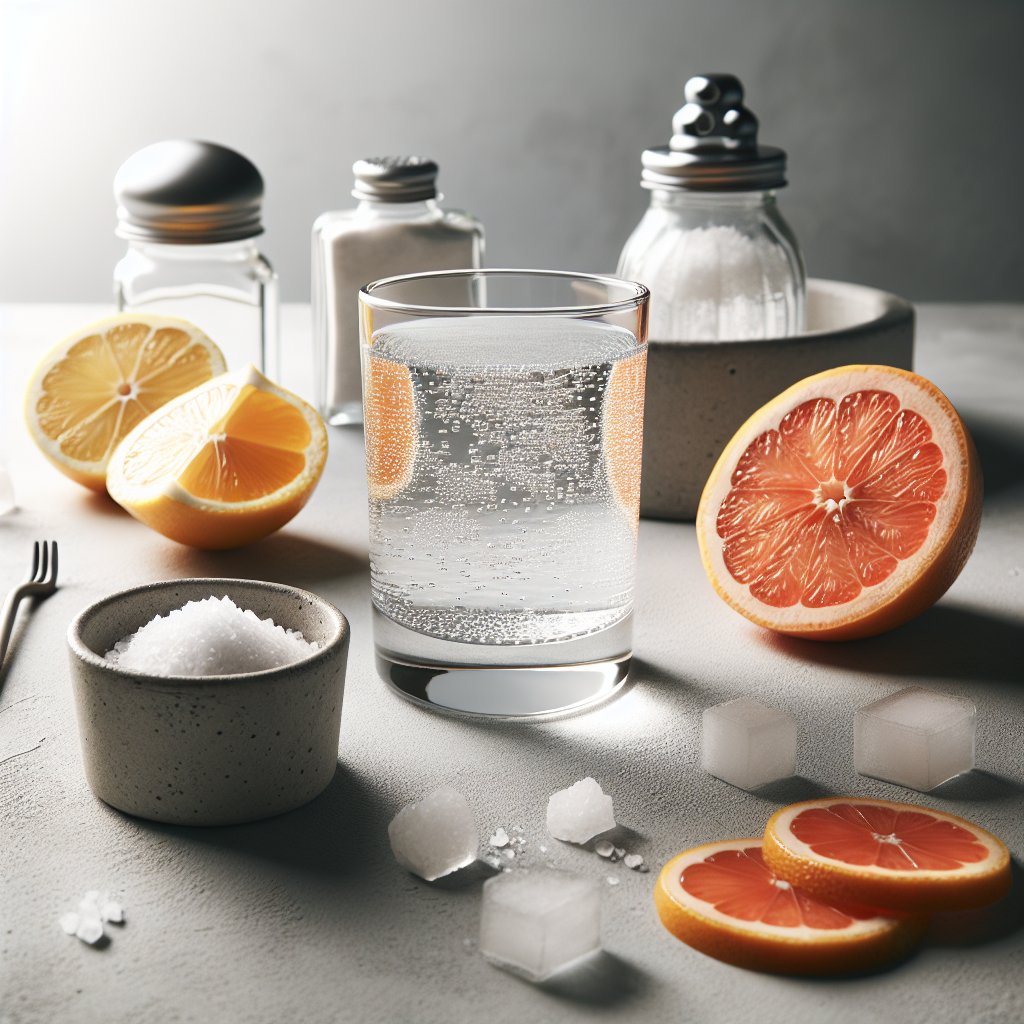
You do not need a branded product to get your electrolytes. This recipe costs roughly $0.10 per serving.
Homemade Electrolyte Drink:
- 16 oz (500 ml) water
- 1/4 teaspoon sea salt (approximately 500 mg sodium)
- 2 tablespoons fresh lemon or lime juice (potassium + flavor)
- 1 tablespoon honey or maple syrup (optional — skip for zero sugar)
- Pinch of magnesium citrate powder (optional, approximately 50 mg)
Mix in a water bottle, shake well, and drink during or after training. Adjust salt to taste. This pairs well with the recovery strategies in our post-workout recovery guide.
Common Mistakes with Electrolyte Drinks
Drinking electrolytes when you only need water. A 45-minute weightlifting session does not require electrolyte replacement. Save them for sessions over 60 minutes, hot conditions, or double training days.
Ignoring sodium and fixating on potassium. Sodium is the primary electrolyte lost in sweat. Products providing less than 200 mg of sodium per serving will not prevent dehydration during hard training.
Assuming more is better. Excessive intake causes GI distress, bloating, and diarrhea. Stick to 1-2 servings per day based on training volume.
Using electrolytes as a pre-workout substitute. Electrolyte drinks are not stimulants. They will not give you energy or focus the way caffeine does. Check our pre-workout supplements guide for performance enhancement.
Choosing by flavor instead of formula. Many "electrolyte" waters contain negligible mineral content — sometimes under 50 mg of sodium. Always check the nutrition label.
Frequently Asked Questions
How much sodium do I need during a workout?
The ACSM recommends 300-600 mg of sodium per hour during exercise lasting longer than 60 minutes. Heavy sweaters and athletes training in heat may need up to 1,000 mg per hour. Start at the lower end and increase if you experience cramping.
Can I drink too many electrolytes?
Yes. Excessive sodium causes water retention, bloating, and elevated blood pressure. More than 2,300 mg of supplemental sodium in a day is unnecessary for most athletes. Track your total intake from food and supplements combined.
Are sugar-free electrolyte drinks as effective as regular sports drinks?
For hydration, yes. A 2020 study in the European Journal of Applied Physiology found no significant difference in rehydration rates between sugar-free and sugar-containing solutions during moderate exercise. Sugar adds rapid fuel for endurance events over 90 minutes but is unnecessary for hydration alone.
Do electrolytes help with muscle cramps?
Research is mixed. A 2021 review in the British Journal of Sports Medicine found electrolyte depletion is one factor in exercise-associated cramps, but neuromuscular fatigue plays a larger role. Adequate sodium and potassium reduces cramping risk but does not eliminate it entirely.
When should I drink electrolytes — before, during, or after exercise?
During and after exercise are the most effective windows. Pre-loading 30 minutes before training in hot conditions can help, but the primary goal is replacing what you lose through sweat. Sip throughout your session rather than consuming a full serving at once.
Is coconut water a good electrolyte source?
Coconut water provides approximately 600 mg potassium and 250 mg sodium per 16-ounce serving. It is a decent option for casual training but falls short on sodium for intense exercise. It also contains 90-120 calories per serving.
Do I need electrolytes if I eat a balanced diet?
For workouts under 60 minutes, a balanced diet with adequate salt covers your needs. Athletes training longer, those on low-carb diets, and heavy sweaters benefit from supplementation regardless of diet quality. The determining factor is sweat rate and training duration.
What is the difference between electrolyte drinks and oral rehydration solutions?
Oral rehydration solutions follow the WHO formula: specific ratios of sodium, glucose, and water designed to treat clinical dehydration. Products like Liquid IV are based on this formula. Standard electrolyte drinks vary widely and target exercise-related fluid loss.
Are electrolyte tablets better than powders?
Both deliver the same minerals. Tablets (like Nuun) are more portable and dissolve quickly. Powders (like LMNT) often contain higher sodium doses and allow flexible dosing. Choose based on convenience and your sodium needs.
The Bottom Line
Most gym-goers training under 60 minutes need water, not a specialty drink. Once sessions get longer, hotter, or more intense, electrolyte supplementation prevents the performance drop that comes with dehydration. Choose a product with at least 500 mg of sodium and zero sugar. LMNT and Nuun Sport are the top picks for serious training. Or make your own for pennies — salt, water, and citrus juice get the job done.
Sources:
- Casa, D.J., et al. (2000). National Athletic Trainers' Association position statement: Fluid replacement for athletes. Journal of Athletic Training. https://pubmed.ncbi.nlm.nih.gov/16558564/
- Sawka, M.N., et al. (2007). ACSM position stand: Exercise and fluid replacement. Medicine & Science in Sports & Exercise. https://pubmed.ncbi.nlm.nih.gov/17277604/
- Baker, L.B. (2017). Sweating rate and sweat sodium concentration in athletes. Sports Medicine. https://pubmed.ncbi.nlm.nih.gov/28332116/
- Weaver, C.M., et al. (2015). Potassium and health. Advances in Nutrition. https://pubmed.ncbi.nlm.nih.gov/25770264/
- Rosanoff, A., et al. (2012). Suboptimal magnesium status in the United States. Nutrients. https://pubmed.ncbi.nlm.nih.gov/23201844/
- Maughan, R.J., & Shirreffs, S.M. (2019). Muscle cramping during exercise: Causes, solutions, and questions remaining. British Journal of Sports Medicine. https://pubmed.ncbi.nlm.nih.gov/30705063/
- Evans, G.H., et al. (2017). Optimizing the restoration and maintenance of fluid balance after exercise-induced dehydration. Journal of Applied Physiology. https://pubmed.ncbi.nlm.nih.gov/28684592/