
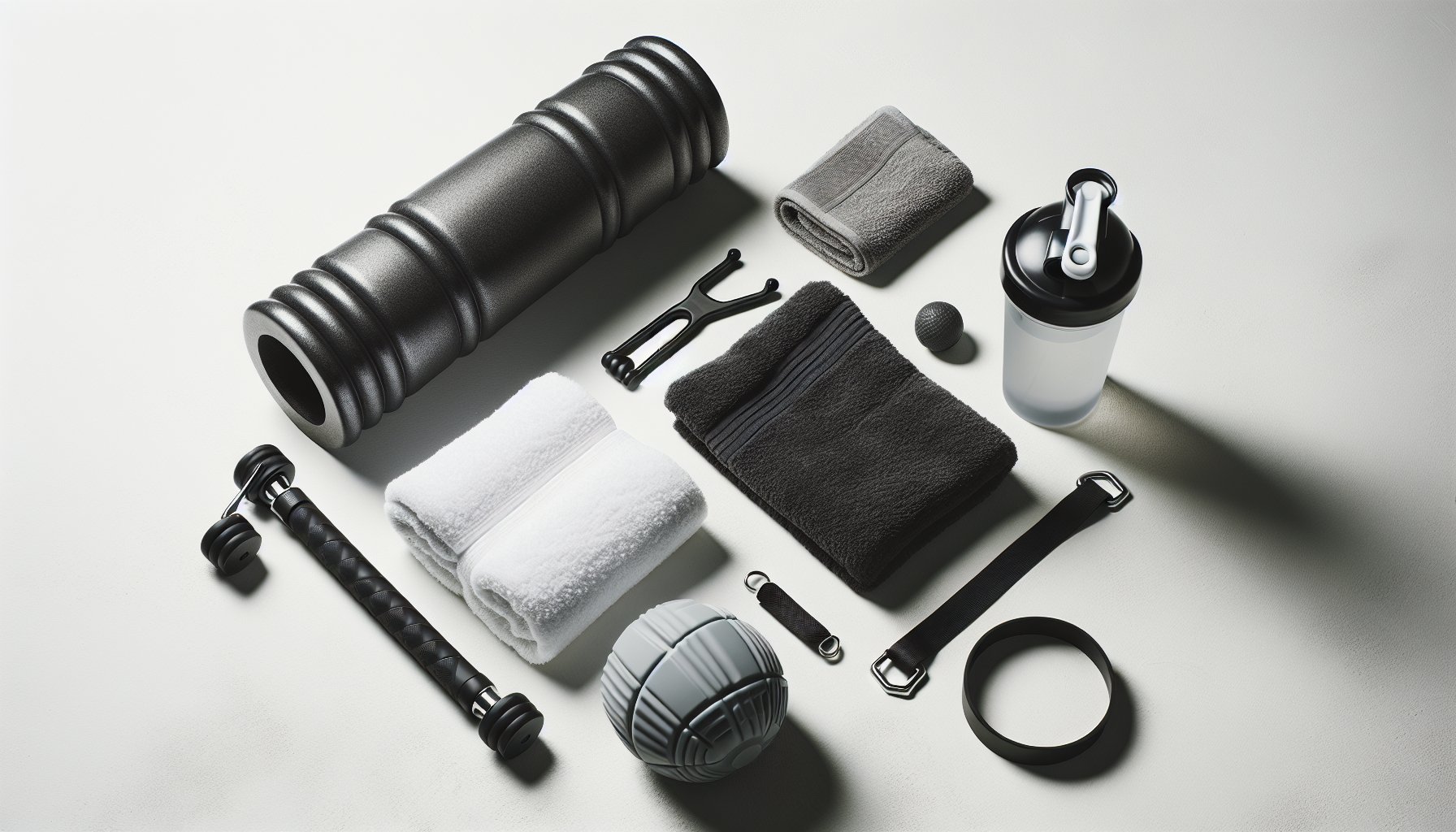
Research published in the Journal of Strength and Conditioning Research found that muscle protein synthesis rates increase by 50-100% within the first two hours after resistance training and remain elevated for up to 48 hours. That window represents your body's prime rebuilding phase — and what you do during it determines whether you actually get stronger or just stay sore. Here's how to make every recovery hour count.
Quick Summary:
- Muscle protein synthesis peaks within 2 hours post-exercise and stays elevated for 24-48 hours, making recovery an ongoing process
- Consuming 20-40 grams of protein within 2 hours after training accelerates muscle repair and reduces soreness
- Sleep is the single most powerful recovery tool, with growth hormone secretion increasing by up to 70% during deep sleep
- Active recovery methods like foam rolling and light movement reduce delayed-onset muscle soreness (DOMS) by 20-30%
- Skipping recovery leads to overtraining, chronic fatigue, and a measurable decline in performance within 2-3 weeks
What Happens to Your Body After a Workout
Every training session creates controlled damage. When you lift weights, sprint, or push through a tough circuit, three key processes kick off the moment you stop.
Muscle fiber repair. Resistance training causes microscopic tears in muscle fibers. Your body responds by activating satellite cells that fuse with damaged fibers, increasing the size and number of myofibrils. This is how muscles grow — but only if you give them the raw materials and time to rebuild.
Glycogen replenishment. Your muscles store roughly 300-400 grams of glycogen as their primary fuel source. A hard session can deplete 25-40% of those stores. Refilling them requires carbohydrates and takes 24-48 hours depending on exercise intensity and your diet.
Inflammation response. Exercise triggers an acute inflammatory response as your immune system sends white blood cells to repair damaged tissue. This inflammation is normal and necessary — it's the reason you feel stiff and sore 12-72 hours after a tough session. The goal isn't to eliminate inflammation entirely but to manage it so it resolves on schedule.
The Recovery Timeline
Recovery follows a predictable schedule. Knowing where you are on that timeline helps you make better decisions about nutrition, activity, and rest.
0-2 hours post-workout: Your heart rate and core temperature return to baseline. Muscle protein synthesis ramps up rapidly — a 2013 study in the Journal of the International Society of Sports Nutrition confirmed the post-exercise window for protein intake extends at least 2 hours, wider than the old 30-minute myth. This is your best opportunity to eat a quality meal. Check out our post-workout nutrition guide for specific meal ideas.
24 hours post-workout: DOMS typically begins 12-24 hours after exercise and peaks around 24-48 hours. Muscle protein synthesis is still elevated — research from McMaster University shows it remains above baseline for a full 24 hours in trained individuals. Light activity (walking, easy cycling) increases blood flow and speeds waste product removal.
48-72 hours post-workout: Full recovery occurs for most muscle groups. A 2016 meta-analysis in Sports Medicine found that 48-72 hours between training the same muscle group produced optimal strength and hypertrophy gains.
Nutrition for Recovery
Recovery nutrition comes down to three pillars: protein, carbohydrates, and hydration.
Protein. Aim for 20-40 grams of high-quality protein within 2 hours of training. A 2018 review in the British Journal of Sports Medicine found that consuming at least 1.6 g/kg body weight daily — spread across 3-4 meals — maximized muscle protein synthesis. Optimum Nutrition Gold Standard Whey (around $30) provides 24 grams per scoop with fast absorption. For a deeper breakdown, read our protein guide.
Carbohydrates. Pair your post-workout protein with 0.5-0.8 g/kg body weight in carbs — roughly 40-65 grams for most people. Carbohydrates trigger insulin release, which shuttles amino acids into muscle cells and accelerates glycogen replenishment. Skipping carbs after training slows glycogen recovery by up to 50%.
Hydration. You lose 0.5-2 liters of fluid per hour during exercise. A 2% drop in body weight from dehydration reduces strength by 10% and endurance by up to 20%. Drink 16-24 ounces for every pound lost. Sessions over 60 minutes call for electrolyte replacement — LMNT Electrolyte Mix (around $45 for a 30-pack) delivers 1,000 mg sodium, 200 mg potassium, and 60 mg magnesium without sugar. For more options, see our electrolyte drinks guide.
Verdict: Recovery is built on three non-negotiables — 20-40 grams of protein within 2 hours, adequate carbohydrates to refuel glycogen, and enough fluid to replace sweat losses. Nail these consistently and you'll recover faster and train harder than someone who ignores post-workout nutrition.
Active Recovery Techniques
Rest doesn't mean sitting on the couch for three days. Active recovery speeds up the process by increasing blood flow and reducing muscle stiffness.
Foam rolling. A 2019 meta-analysis in Frontiers in Physiology found that foam rolling reduced DOMS by 20-30% at 24 and 48 hours post-training. Spend 60-90 seconds per muscle group. The TriggerPoint GRID Foam Roller (around $35) offers a durable multi-density surface that works for quads to upper back. Our foam rolling guide covers technique for every major muscle group.
Light movement. Walking, easy swimming, or cycling at 30-40% effort for 20-30 minutes on rest days increases circulation without adding training stress.
Stretching. Static stretching after training — holding positions for 30-60 seconds — reduces stiffness and maintains range of motion. Visit our stretching guide for 10-minute routines.
Percussion therapy. Massage guns increase localized blood flow and reduce tension. The Hyperice Hypervolt Go 2 (around $200) is portable and delivers three speed settings for targeted muscle work.
Sleep and Recovery
Sleep is where the real recovery happens. During deep sleep, your pituitary gland releases up to 70% of daily growth hormone — the primary driver of muscle repair. A study in The Annals of Internal Medicine found that restricting sleep to 5.5 hours per night for two weeks increased lean tissue loss by 60%.
The American Academy of Sleep Medicine recommends 7-9 hours for adults. Athletes benefit from the upper end. A Stanford study showed that extending sleep to 10 hours improved sprint times, reaction times, and shooting accuracy in basketball players.
Sleep strategies for recovery:
- Keep your bedroom at 65-68°F (18-20°C)
- Stop caffeine at least 8 hours before bed
- Maintain consistent sleep and wake times
- Limit screens 30-60 minutes before sleep
For a complete breakdown, read our sleep and fitness guide.
Common Recovery Mistakes
Training through soreness. Significant DOMS means a muscle isn't repaired yet. Training it anyway extends recovery and increases injury risk. Train a different body part instead.
Relying on NSAIDs. A 2017 study in Acta Physiologica showed regular NSAID use after resistance training blunted hypertrophy gains. Save anti-inflammatories for acute injuries, not routine soreness.
Neglecting rest-day nutrition. Protein synthesis stays elevated 24-48 hours post-training. Keep protein at 1.6-2.2 g/kg daily, whether you trained or not.
Skipping rest days. Training beyond what allows adequate recovery leads to performance plateaus within 2-3 weeks. Most people need 1-2 rest or active recovery days per week.
Frequently Asked Questions
How long does muscle recovery take after a hard workout?
Full recovery for a trained muscle group takes 48-72 hours. Beginners may need up to 96 hours. If you're still sore after 72 hours, extend your rest before training that muscle again.
Is the "anabolic window" real?
The 30-minute deadline is a myth. Muscle protein synthesis stays elevated for at least 24 hours. Eating 20-40 grams of protein within 2 hours optimizes recovery, but don't panic about the clock.
Should I take ice baths after training?
A 2015 study in the Journal of Physiology showed cold water immersion blunted muscle protein synthesis and long-term hypertrophy. Use cold exposure only for rapid recovery between competitions, not daily.
How much protein should I eat for recovery?
Aim for 20-40 grams per meal across 3-4 meals daily, totaling 1.6-2.2 g/kg body weight. Whey protein, chicken, eggs, and Greek yogurt are top choices.
Does stretching speed up recovery?
Static stretching reduces stiffness and maintains range of motion but doesn't significantly accelerate muscle repair. Spend 5-10 minutes stretching worked muscles, holding 30-60 seconds per position.
Can I train if I'm still sore?
Light soreness is fine to train through. Moderate to severe DOMS means rest that muscle group. Train a different body part or take an active recovery day.
How does alcohol affect recovery?
Alcohol suppresses muscle protein synthesis by up to 37% post-exercise, according to a 2014 study in PLOS ONE. It also disrupts deep sleep stages where growth hormone is released. Even 2-3 drinks impair recovery for 24-48 hours.
What's the difference between active recovery and rest days?
Rest days involve minimal activity. Active recovery includes low-intensity movement at 30-40% effort for 20-30 minutes. Most people benefit from 1 complete rest day and 1-2 active recovery days per week.
Do compression garments speed up recovery?
A 2019 meta-analysis found a modest 10-15% improvement in perceived soreness. They're worth trying but aren't a substitute for proper nutrition and sleep.
Should I foam roll before or after a workout?
Both. Pre-workout rolling (30-60 seconds per muscle) increases range of motion. Post-workout rolling (60-90 seconds per muscle) reduces DOMS at 24 and 48 hours.
How do I know if I'm recovered enough to train again?
Track resting heart rate, perceived energy (1-10 scale), and performance trends. If two of three are off, take another rest day. Heart rate variability monitors help track readiness objectively.
The Bottom Line
Post-workout recovery comes down to doing the basics consistently: eat 20-40 grams of protein within 2 hours, replenish carbs and fluids, sleep 7-9 hours, and use active recovery between sessions. Your muscles grow during rest, not during training — treat recovery with the same discipline you bring to your workouts.
Sources:
- Muscle protein synthesis response to exercise and nutrition. Journal of the International Society of Sports Nutrition, 2013. https://jissn.biomedcentral.com/articles/10.1186/1550-2783-10-53
- Dietary protein for muscle hypertrophy: systematic review and meta-analysis. British Journal of Sports Medicine, 2018. https://bjsm.bmj.com/content/52/6/376
- Effects of foam rolling on DOMS and recovery: meta-analysis. Frontiers in Physiology, 2019. https://www.frontiersin.org/articles/10.3389/fphys.2019.00376/full
- Cold water immersion and muscle protein synthesis. Journal of Physiology, 2015. https://physoc.onlinelibrary.wiley.com/doi/full/10.1113/JP270570
- NSAID effects on muscle hypertrophy. Acta Physiologica, 2017. https://onlinelibrary.wiley.com/doi/full/10.1111/apha.12948
- Sleep extension and athletic performance. Stanford University, 2011. https://pubmed.ncbi.nlm.nih.gov/21731144/
- Alcohol and muscle protein synthesis. PLOS ONE, 2014. https://journals.plos.org/plosone/article?id=10.1371/journal.pone.0088384
- Recovery time between sessions for hypertrophy. Sports Medicine, 2016. https://link.springer.com/article/10.1007/s40279-016-0543-8
- Insufficient sleep and muscle mass loss. The Annals of Internal Medicine, 2010. https://pubmed.ncbi.nlm.nih.gov/20921542/