
Research shows that pre-workout nutrition can increase training performance by 12-15% compared to fasted exercise, according to a 2018 meta-analysis in the Journal of the International Society of Sports Nutrition. What you eat before training directly impacts your energy levels, strength output, and muscle preservation. The right pre-workout meal provides fuel without causing digestive distress, while poor timing or food choices can leave you sluggish, nauseous, or running out of gas mid-workout.
Quick Summary:
- Eating 2-3 hours before training allows full digestion and optimal energy availability
- Carbohydrates are the primary fuel source for moderate to high-intensity exercise
- Protein consumed before training reduces muscle breakdown and supports recovery
- Fasted training may work for low-intensity cardio but reduces performance in strength training
- Hydration status impacts performance as much as food choices
What Is Pre-Workout Nutrition
Pre-workout nutrition refers to the strategic consumption of food and fluids before exercise to maximize performance, maintain energy levels, and support muscle protein synthesis. Unlike post-workout nutrition, which focuses on recovery, pre-workout eating prioritizes fuel availability and preventing performance decline during training.
The primary goals are providing readily available energy substrates, maintaining blood sugar stability, preventing hunger and low energy during exercise, minimizing gastrointestinal distress, and starting the muscle recovery process before training even begins.
Pre-workout nutrition isn't just about what you eat immediately before the gym. It encompasses your overall fueling strategy in the hours leading up to training, including your last full meal, any pre-training snacks, fluid intake, and timing relative to when you start exercising.
How Pre-Workout Nutrition Works
During exercise, your body relies on stored glycogen in muscles and the liver, blood glucose from recent food intake, and to a lesser extent, fat oxidation and amino acids. The relative contribution of each depends on workout intensity, duration, and your fed or fasted state.
A 2017 study in Nutrients found that consuming carbohydrates before resistance training increased total training volume by 8-12% compared to fasted training. Carbohydrates consumed before exercise rapidly convert to glucose, maintaining blood sugar levels and sparing muscle glycogen stores for when you need them most during intense efforts.
Protein consumed before training elevates blood amino acid levels, reducing the rate of muscle protein breakdown during exercise. While protein is not a primary fuel source, having amino acids available during training creates a more favorable anabolic environment, especially important for morning exercisers who may be in an overnight fasted state.
Fat digests slowly and provides minimal performance benefit for workouts under 90 minutes, but small amounts in a pre-workout meal can increase satiety and don't negatively impact performance when consumed 2-3 hours before training.
Timing Your Pre-Workout Meal
Meal timing relative to training determines both performance and comfort. The larger and more mixed the meal, the more time you need for digestion.
2-3 Hours Before Training: This is the optimal window for a full meal containing balanced macronutrients. You want 25-40 grams of protein, 40-60 grams of carbohydrates, and moderate fat. Examples include grilled chicken with rice and vegetables, oatmeal with protein powder and banana, or a turkey sandwich on whole grain bread with fruit.
30-60 Minutes Before Training: This close to exercise, choose easily digestible, carb-focused options with minimal fat and fiber. Aim for 15-25 grams of quick-digesting carbs and 10-15 grams of protein. Good choices include a banana with a tablespoon of peanut butter, Greek yogurt with honey, rice cakes with jam, or a small smoothie.
During the Hour Before: Avoid high-fat foods, large amounts of fiber, and excessive volume that can cause bloating. Individual tolerance varies significantly, so experiment during lower-stakes training sessions to find what works for your digestive system.
Research from the International Journal of Sport Nutrition and Exercise Metabolism shows that as long as you consume adequate carbohydrates somewhere in the 1-4 hour window before training, glycogen availability remains similar. Your personal comfort level should guide specific timing.
Carbohydrates for Performance
Carbohydrates are the primary and most efficient fuel source for moderate to high-intensity exercise. During strength training, interval work, or any effort above 65-70% of maximum heart rate, your body preferentially burns carbohydrates over fat.
A 2016 position stand from the International Society of Sports Nutrition recommends 1-4 grams of carbohydrates per kilogram of body weight in the 1-4 hours before exercise, depending on timing. For a 75kg person, that translates to 75-300 grams of carbs depending on how far out from training you're eating.
The closer to training, the more important quick-digesting carbohydrates become. Complex carbs like oats, rice, and potatoes work well 2-3 hours out, while simple carbs like fruit, white rice, or sports drinks are better 30-60 minutes before.
Low-carb dieters often report reduced training performance, particularly for high-intensity work. While fat adaptation can improve performance in ultra-endurance events, research consistently shows that adequate pre-workout carbohydrates improve performance in strength training and high-intensity intervals.
If you're looking for a convenient carb source, products like Momentous Fuel (around $45) provide easily digestible carbohydrates designed specifically for pre-training consumption. Alternatively, simple whole food options like rice, bananas, or oatmeal work just as well at a fraction of the cost.
Protein Before Training
Consuming protein before training serves multiple purposes beyond just muscle building. Pre-workout protein elevates blood amino acid levels, creating an anabolic environment that reduces muscle protein breakdown during exercise and primes the recovery process before you even start training.
A 2012 study in Medicine & Science in Sports & Exercise found that consuming 20 grams of whey protein before resistance training increased muscle protein synthesis rates during and after the workout compared to training fasted.
The amount matters less than consistency. Aim for 20-40 grams of protein in the 2-3 hours before training. The exact source is less critical than convenience and digestibility. Lean meats, eggs, Greek yogurt, and protein powder all work effectively.
For morning exercisers who don't have 2-3 hours to digest a full meal, a quick-digesting protein shake 30-45 minutes before training provides amino acids without causing digestive distress. Optimum Nutrition Gold Standard Whey (around $30 for 2 pounds) remains a reliable, fast-digesting option that mixes easily and absorbs quickly.
Timing protein before training is particularly valuable if you can't eat immediately after exercise. Having protein in your system means you're already supporting recovery, even if your post-workout meal is delayed by an hour or two.
Fasted Training: Pros and Cons
Fasted training, typically defined as exercising after an overnight fast without eating, has gained popularity through intermittent fasting trends. The claimed benefits include increased fat oxidation, improved insulin sensitivity, and convenience for early morning exercisers.
Research shows that fasted cardio does increase fat oxidation rates during exercise, but this doesn't necessarily translate to greater fat loss over time. A 2014 study in the Journal of the International Society of Sports Nutrition found no significant difference in body composition changes between fasted and fed cardio when calories were equated.
The downsides of fasted training are more clear-cut for strength work and high-intensity exercise. Research consistently demonstrates reduced performance in fasted states for resistance training, sprint work, and high-intensity intervals. A 2018 study found that fasted resistance training led to 7-10% decreases in total training volume compared to fed training.
Fasted training may increase muscle protein breakdown, particularly during longer sessions. Without available amino acids from food, your body breaks down muscle tissue to supply amino acids for various metabolic processes during exercise.
Verdict: Fasted training works for low-intensity steady-state cardio if you prefer it, but fed training consistently outperforms fasted states for strength training and high-intensity work. If you train early and struggle with eating before the gym, even a small easily digestible snack like a banana provides significant performance benefits over training completely fasted.
Pre-Workout Meal Examples
Practical meal examples help translate theory into actionable nutrition. These options account for different timing windows and individual preferences.
2-3 Hours Before Training:
- Grilled chicken breast (6 oz) with sweet potato (1 medium) and steamed broccoli
- Oatmeal (1 cup cooked) with protein powder (1 scoop), banana, and almond butter (1 tbsp)
- Turkey sandwich on whole grain bread with apple and carrots
- Salmon (5 oz) with quinoa (1 cup) and mixed vegetables
- Greek yogurt (1.5 cups) with granola, berries, and honey
60-90 Minutes Before Training:
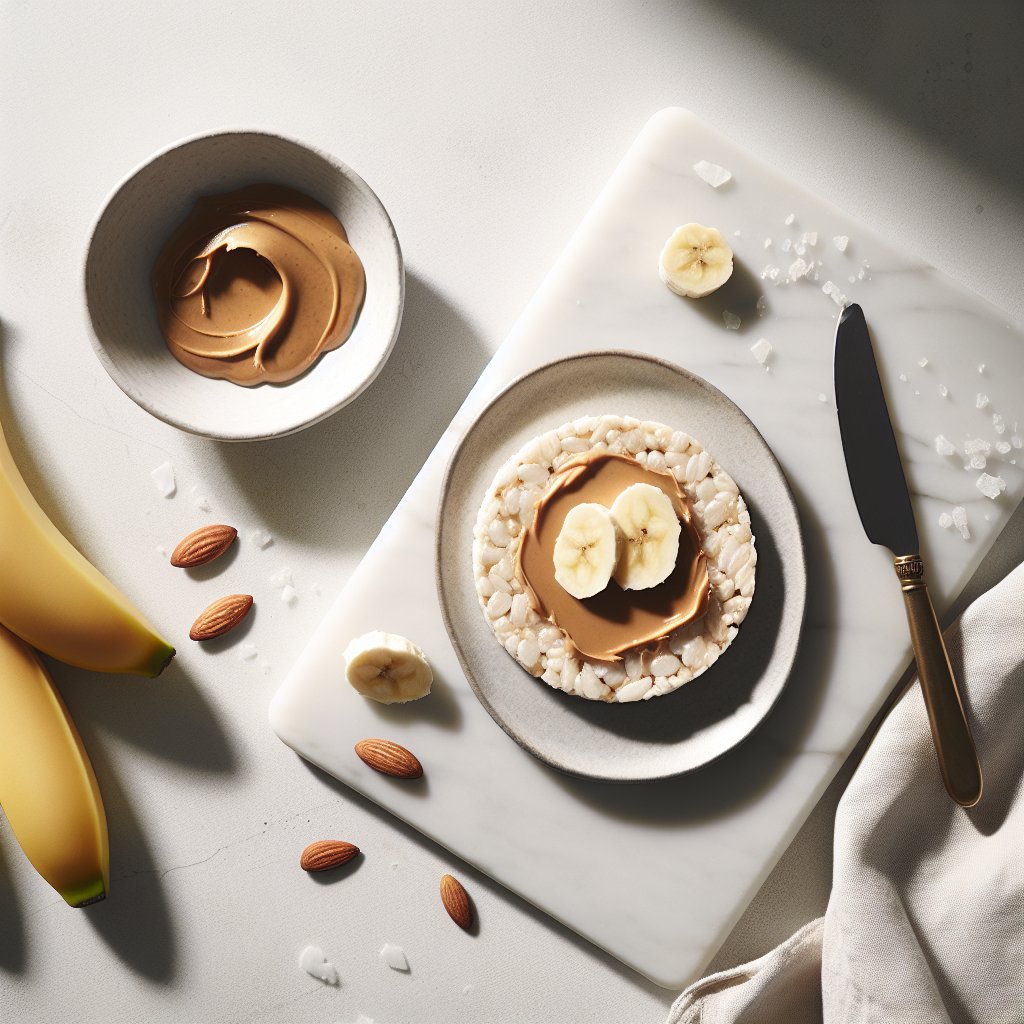
- Rice cakes (2) with almond butter and sliced banana
- Protein smoothie with banana, berries, protein powder, and almond milk
- Toast with honey and a hard-boiled egg
- Apple with a small handful of nuts
30-45 Minutes Before Training:
- Banana with a tablespoon of peanut butter
- RXBAR Protein Bar (around $25 for 12 bars) with simple, digestible ingredients
- Rice cakes with jam
- Dried fruit and a small amount of nuts
- Sports drink or diluted fruit juice
Individual tolerance varies significantly. Some people train well on a full stomach, while others need minimal food to avoid digestive issues. Experiment during regular training sessions rather than important competitions or PR attempts.
Hydration Before Training
Hydration status impacts performance as significantly as food choices, yet receives less attention. Even mild dehydration of 2% of body weight reduces strength, power output, and endurance performance.
The American Council on Exercise recommends drinking 17-20 ounces of water 2-3 hours before exercise and another 8 ounces 20-30 minutes before training. These amounts increase in hot environments or for those who sweat heavily.
Monitor urine color as a practical hydration gauge. Pale yellow indicates good hydration, while dark yellow suggests you need more fluids. First morning urine is typically darker due to overnight fluid concentration, but subsequent bathroom trips should show pale yellow if you're well-hydrated.
Coffee and caffeine-containing beverages don't cause the dehydration commonly believed. Research shows moderate caffeine consumption (up to 400mg daily) doesn't negatively impact hydration status in regular consumers. However, water remains the best primary hydration choice before training.
For longer or more intense sessions, consider electrolyte supplementation along with water. LMNT Electrolyte Drink Mix (around $45 for 30 servings) provides sodium, potassium, and magnesium without added sugar, though you can also make your own electrolyte drink with water, salt, and a squeeze of lemon.
See our hydration guide for detailed strategies on maintaining optimal fluid balance around training.
Caffeine Timing and Pre-Workout Supplements
Caffeine is one of the most well-researched and effective performance enhancers available. Meta-analyses show caffeine improves strength, power output, and endurance across various training modalities.
The optimal dose is 3-6mg per kilogram of body weight, consumed 30-60 minutes before training. For a 75kg person, that's roughly 225-450mg, equivalent to 2-4 cups of coffee. Peak blood caffeine levels occur 45-60 minutes after consumption, aligning with when you want maximum performance.
Coffee provides caffeine along with beneficial antioxidants, but caffeine pills or pre-workout supplements offer more precise dosing. If you choose a commercial pre-workout supplement, look for products with transparent labels showing exact ingredient amounts rather than proprietary blends with hidden doses.
Legion Pulse Pre-Workout (around $40) provides effective doses of caffeine, citrulline, and beta-alanine with no artificial ingredients or filler, though many achieve similar results from coffee and whole foods.
Timing matters for both performance and sleep quality. If you train late afternoon or evening, consider caffeine-free pre-workout options or train without stimulants to avoid sleep disruption. Caffeine has a half-life of 5-6 hours, meaning half remains in your system that long after consumption.
For more details on pre-workout supplement ingredients and effectiveness, read our pre-workout supplements guide.
Common Pre-Workout Nutrition Mistakes
Several common errors undermine pre-workout nutrition effectiveness. Avoiding these pitfalls improves training quality and results.
Eating too close to training: Consuming a large meal 30-60 minutes before exercise often causes cramping, nausea, and sluggish performance. If you're eating close to training, keep portions small and easily digestible.
Insufficient carbohydrates: Low-carb enthusiasts often shortchange pre-workout carbs, leading to reduced training performance. Even if following a lower-carb diet overall, strategically timing carbohydrates around training improves workout quality.
Trying new foods before important sessions: Experiment with pre-workout meals during regular training, not before competitions or testing days. Digestive responses vary individually, and you don't want to discover a food doesn't agree with you during a crucial workout.
Ignoring individual tolerance: Generic recommendations provide starting points, but individual responses vary. Some people train best on an empty stomach, while others need substantial pre-workout fuel. Adjust based on your energy levels, performance, and digestive comfort.
Neglecting hydration: Focusing solely on food while ignoring fluid intake limits performance. Start every training session well-hydrated as your baseline.
Over-complicating the approach: Expensive pre-workout supplements aren't necessary for effective pre-workout nutrition. Whole foods providing carbohydrates and protein 2-3 hours before training work effectively for most people.
Frequently Asked Questions
What should I eat 30 minutes before a workout?
Choose easily digestible carbohydrates with minimal fat and fiber. A banana, rice cakes with jam, or a small amount of dried fruit provide quick energy without causing digestive distress. If you need protein, a small protein shake works better than solid food this close to training.
Is it better to eat before or after a workout?
Both matter, but pre-workout nutrition has a larger impact on training performance itself, while post-workout nutrition primarily affects recovery. Ideally, eat both before and after training. If forced to choose only one for a strength training session, eating before training allows better performance and training volume.
Can I work out on an empty stomach?
You can, but performance typically suffers compared to fed training, especially for strength work and high-intensity exercise. Fasted training may work for low-intensity cardio if you prefer it. Even a small easily digestible snack like a banana provides measurable performance benefits over training completely fasted.
How long should I wait after eating to work out?
Wait 2-3 hours after a full meal, 1-2 hours after a moderate snack, or 30-45 minutes after a small easily digestible snack. The larger the meal and the more fat and fiber it contains, the longer you need to wait. Individual tolerance varies, so adjust based on your digestive comfort.
What is the best pre-workout meal for muscle gain?
Consume 25-40 grams of protein and 40-60 grams of carbohydrates 2-3 hours before training. Examples include chicken with rice and vegetables, oatmeal with protein powder and banana, or Greek yogurt with granola and fruit. The specific foods matter less than hitting adequate protein and carbs within your preferred timing window.
Should I drink a protein shake before or after working out?
Both times work effectively. Protein before training reduces muscle breakdown during exercise and elevates amino acids for recovery. Protein after training supports the continued recovery process. Total daily protein intake matters more than precise timing, but consuming protein both before and after training optimizes results.
Does pre-workout nutrition help with weight loss?
Pre-workout nutrition helps maintain training performance and intensity, which indirectly supports weight loss by allowing harder training sessions that burn more calories. However, pre-workout eating adds calories to your daily total, so it must fit within your overall calorie target. Don't skip pre-workout fuel to create a calorie deficit, as this reduces training quality.
What should I eat before an early morning workout?
If you can't eat 2-3 hours before training, have a small easily digestible snack 30-45 minutes before the gym. A banana, rice cakes with honey, or a small protein shake provides fuel without requiring extensive digestion. See our protein guide for shake options that digest quickly.
Are pre-workout supplements necessary?
No. Whole foods providing carbohydrates and protein work effectively for pre-workout nutrition. Pre-workout supplements containing caffeine, citrulline, and beta-alanine can enhance performance, but they're optional additions rather than requirements. Coffee and strategic food timing achieve most of the same benefits.
Can I take creatine before a workout?
Yes, though timing doesn't significantly impact creatine's effectiveness. Creatine works through daily saturation of muscle stores rather than acute pre-workout effects. Taking it before training is fine, but taking it consistently every day matters more than specific timing. Read our creatine guide for detailed supplementation protocols.
What should I avoid eating before a workout?
Avoid high-fat foods, large amounts of fiber, excessive volume, and any foods that historically cause you digestive issues. Fried foods, large salads, beans, and dairy (if you're sensitive) often cause problems when consumed too close to training. When in doubt, stick with easily digestible carbohydrates and lean protein.
The Bottom Line
Pre-workout nutrition significantly impacts training performance, with proper fueling increasing workout quality by 12-15% compared to training fasted. Eat a balanced meal with 25-40 grams of protein and 40-60 grams of carbohydrates 2-3 hours before training, or choose easily digestible carb-focused snacks 30-60 minutes before exercise. Hydrate consistently throughout the day and consume 17-20 ounces of water 2-3 hours before training. Individual tolerance varies, so experiment during regular sessions to find your optimal approach.
Sources:
- Kerksick CM, et al. International society of sports nutrition position stand: nutrient timing. Journal of the International Society of Sports Nutrition. 2017;14:33. https://jissn.biomedcentral.com/articles/10.1186/s12970-017-0189-4
- Schoenfeld BJ, Aragon AA. Nutrient timing revisited: is there a post-exercise anabolic window? Journal of the International Society of Sports Nutrition. 2018;15:1. https://www.ncbi.nlm.nih.gov/pmc/articles/PMC5790854/
- Arent SM, et al. Nutrient timing: a garage door of opportunity? Nutrients. 2020;12(7):1948. https://www.ncbi.nlm.nih.gov/pmc/articles/PMC7400201/
- Schoenfeld BJ, et al. Body composition changes associated with fasted versus non-fasted aerobic exercise. Journal of the International Society of Sports Nutrition. 2014;11:54. https://www.ncbi.nlm.nih.gov/pmc/articles/PMC4242477/
- Thomas DT, et al. American College of Sports Medicine Joint Position Statement: Nutrition and Athletic Performance. Medicine & Science in Sports & Exercise. 2016;48(3):543-568. https://journals.lww.com/acsm-msse/Fulltext/2016/03000/Nutrition_and_Athletic_Performance.25.aspx
- Tipton KD, et al. Stimulation of net muscle protein synthesis by whey protein ingestion before and after exercise. American Journal of Physiology-Endocrinology and Metabolism. 2007;292(1):E71-E76. https://journals.physiology.org/doi/full/10.1152/ajpendo.00166.2006