
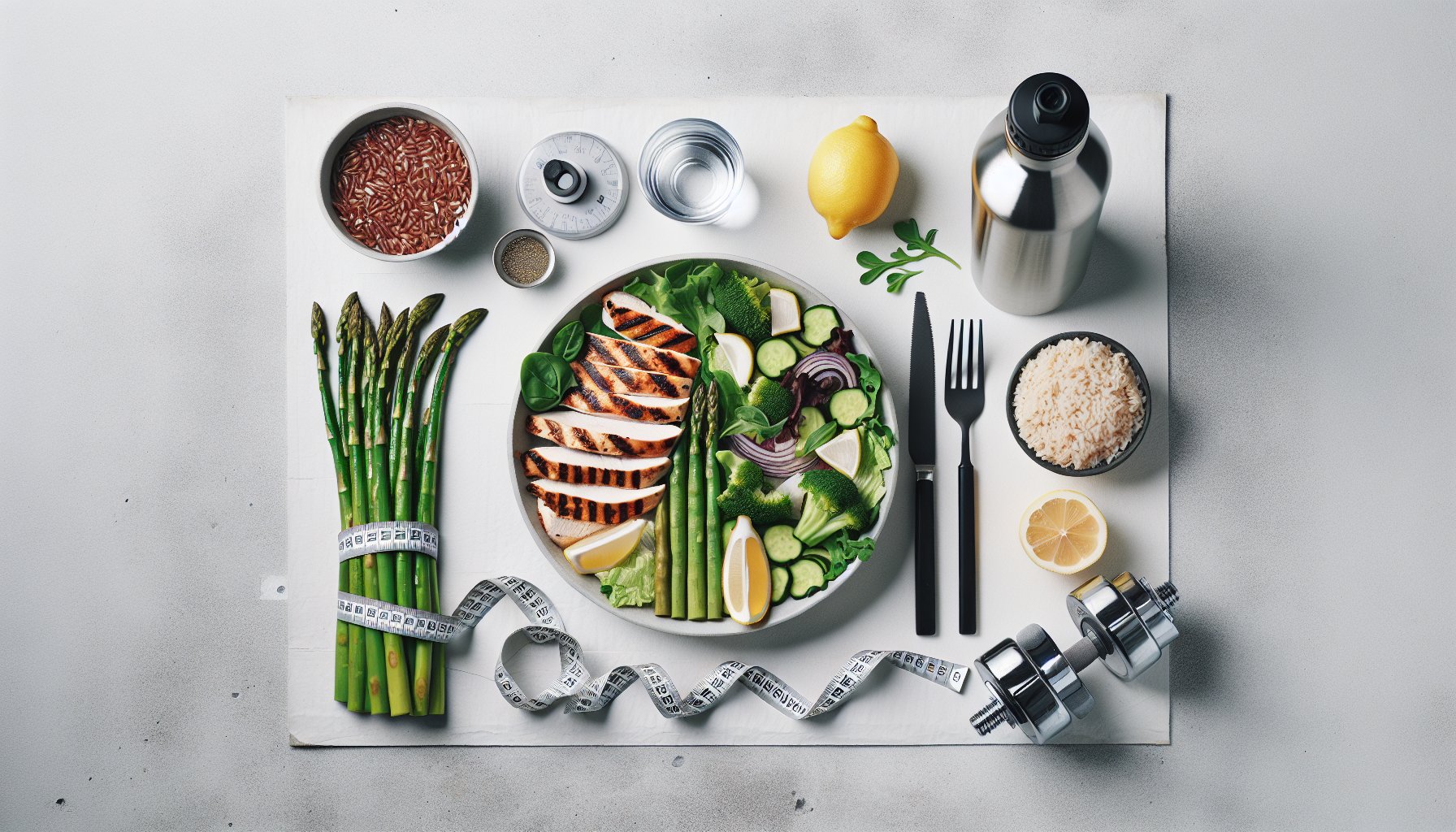
A systematic review in Sports Medicine found that resistance-trained individuals can lose significant body fat while maintaining lean mass when combining appropriate caloric deficits with high protein intake and continued strength training. The difference between a successful cut and losing hard-earned muscle comes down to managing the rate of weight loss and maintaining training intensity.
Quick Summary:
- Aim for a 15-25% caloric deficit to lose 0.5-1% of body weight per week
- Increase protein to 1.0-1.2 grams per pound of body weight during cuts
- Maintain training intensity and volume to preserve muscle tissue
- Add moderate cardio (150-200 minutes weekly) rather than slashing calories excessively
- Track body measurements, strength levels, and progress photos alongside scale weight
What Is a Cutting Phase?
A cutting phase is a planned period of fat loss designed to reduce body fat while preserving as much muscle mass as possible. Unlike general dieting, cutting requires careful attention to protein intake, training stimulus, and the rate of weight loss to prevent muscle breakdown.
The goal is creating a moderate energy deficit that forces your body to burn stored fat for fuel while providing enough nutrients and training stimulus to maintain existing muscle tissue. Research from the International Journal of Sport Nutrition and Exercise Metabolism shows that the size of your caloric deficit directly impacts whether you lose primarily fat or a mixture of fat and muscle.
Most successful cuts last 8-16 weeks depending on how much fat you need to lose and how aggressive your approach is. Shorter, more aggressive cuts work for those with less fat to lose, while longer, moderate approaches suit those starting at higher body fat percentages.
How Much of a Caloric Deficit?
Start with a 15-25% deficit below your maintenance calories. This typically translates to losing 0.5-1% of your body weight per week. A 200-pound individual should aim for 1-2 pounds per week, while someone weighing 150 pounds targets 0.75-1.5 pounds weekly.
Calculate your maintenance calories using your actual intake over the past two weeks if your weight has been stable. If your weight is stable at 2,800 calories daily, a 20% deficit would put you at 2,240 calories. This moderate approach allows faster fat loss than tiny deficits while minimizing muscle loss and keeping hunger manageable.
The Journal of the International Society of Sports Nutrition recommends more aggressive deficits (25-30%) only for short periods or for individuals with higher body fat percentages. Leaner individuals need smaller deficits to preserve muscle tissue. If you're already under 12% body fat as a male or 22% as a female, stick to the conservative end with deficits around 15-20%.
Track your calorie intake consistently for at least two weeks before making adjustments. Your actual results matter more than calculator estimates. If you're losing weight too quickly (more than 1% weekly), increase calories by 100-200. If you're not losing after two weeks, drop another 100-200 calories or add cardio.

Protein Requirements During a Cut
Increase protein intake to 1.0-1.2 grams per pound of body weight during a cut. Higher protein intake during caloric restriction helps preserve lean mass and increases satiety. A meta-analysis in the British Journal of Sports Medicine found that protein intakes above 0.7 grams per pound of body weight significantly reduced lean mass loss during weight loss.
A 180-pound individual should consume 180-215 grams of protein daily while cutting. This higher target becomes even more important as you get leaner and your deficit continues. Protein has the highest thermic effect of all macronutrients, meaning your body burns more calories digesting it compared to fats or carbohydrates.
Spread protein intake across 3-5 meals daily with 30-50 grams per meal for optimal muscle protein synthesis. Research shows that evenly distributed protein intake throughout the day better supports muscle retention than consuming most protein in one or two large meals.
Quality protein sources include chicken breast, lean beef, fish, eggs, Greek yogurt, and protein powder. Consider high-quality whey protein between meals or post-workout to hit your elevated protein targets without adding excessive calories from fats or carbohydrates. Get complete guidance on protein needs in our protein guide.
Verdict: A 15-25% caloric deficit combined with 1.0-1.2 grams of protein per pound of body weight creates the optimal environment for fat loss while preserving muscle tissue.
Training Adjustments for Cutting
Maintain your training intensity and reduce volume only if necessary. The biggest mistake during a cut is dropping weights and switching to high-rep endurance work. Your muscles need a reason to stick around, and that reason is continued heavy loading.
Keep working in the 5-12 rep range with weights that challenge you. If you were squatting 225 pounds for sets of 8, keep doing that same work. The progressive tension tells your body it still needs that muscle tissue. A study in Medicine & Science in Sports & Exercise found that maintaining training intensity during weight loss preserved significantly more lean mass than reducing loads.
You may need to reduce total training volume (sets per week) by 10-20% as your deficit continues and recovery capacity diminishes. Drop one or two sets per exercise rather than reducing weight or switching to circuit training. If you were doing 4 sets of bench press, cutting to 3 sets while maintaining the same weight and rep range preserves the muscle-building stimulus.
Track your strength levels weekly. Small decreases are normal during extended cuts, but if your lifts drop more than 10-15%, you're likely losing muscle. Either reduce your deficit, increase calories slightly, or take a diet break. Learn more about maintaining strength in our progressive overload guide.
Cardio Strategy for Fat Loss
Add 150-200 minutes of moderate-intensity cardio weekly rather than creating your entire deficit through food restriction alone. This approach allows you to eat more food while still losing fat, making the diet more sustainable and providing better nutrient intake.
Start with 3-4 sessions of 30-45 minutes at an intensity where you can still hold a conversation. Walking at a brisk pace, cycling, or using the elliptical all work well. The goal is burning additional calories without creating excessive fatigue that impairs strength training recovery.
Low-intensity steady-state cardio (LISS) works better than high-intensity interval training (HIIT) during cuts for most people. LISS burns calories without adding significant recovery demands or interfering with strength training. Research in the Journal of Strength and Conditioning Research shows that excessive HIIT during caloric restriction can impair strength performance and recovery.
Time your cardio after strength training or on separate days to prioritize resistance training performance. A quality pre-workout supplement can help maintain energy for both strength and cardio sessions. Find additional cardio guidance in our cardio guide.
Rate of Weight Loss and Monitoring Progress
Aim to lose 0.5-1% of your body weight weekly. Faster fat loss increases the risk of muscle loss, hormonal disruption, and metabolic adaptation. A position stand from the International Society of Sports Nutrition recommends weekly weight loss rates of 0.5-1% for resistance-trained individuals to maximize fat loss while preserving lean mass.
Weigh yourself daily at the same time (ideally upon waking after using the bathroom) and calculate weekly averages. Daily fluctuations of 2-5 pounds are normal due to water retention, glycogen storage, and digestive contents. The weekly average trend matters more than any single day.
Track additional metrics beyond scale weight. Take progress photos every two weeks in the same lighting and poses. Measure waist circumference at the belly button, hips, and upper thighs monthly. These measurements often show progress when the scale stalls due to water retention or muscle preservation.
Monitor strength levels in key lifts. If your squat, deadlift, and bench press maintain within 5-10% of your pre-cut numbers, you're preserving muscle well. Significant strength drops suggest you're losing lean mass and need to adjust your approach.
Diet Breaks and Refeeds
Implement a diet break every 8-12 weeks by returning to maintenance calories for 1-2 weeks. Research in the International Journal of Obesity found that intermittent caloric restriction (alternating deficits with maintenance periods) resulted in greater fat loss and better metabolic adaptation compared to continuous dieting.
During a diet break, increase calories back to maintenance levels primarily through carbohydrates. This refills muscle glycogen, normalizes hunger hormones like leptin and ghrelin, and provides a psychological break from restriction. You may gain 2-4 pounds of water weight during the break, which drops quickly when you resume the deficit.
Consider weekly refeeds if you're already lean (under 12% body fat for men, 22% for women). One high-carbohydrate day weekly where you eat at maintenance calories can help manage hunger and maintain training performance. Keep protein and fat consistent while adding 100-200 grams of carbohydrates on refeed days.
Signs you need a diet break include consistently poor sleep, obsessive food thoughts, training performance dropping significantly, or losing strength rapidly. Your body is signaling that it needs a break from the deficit. A quality creatine supplement can help maintain strength during extended cuts.
Tracking Progress Beyond the Scale
Measure waist circumference weekly at the belly button level. Research shows that waist measurement correlates strongly with visceral fat loss and provides feedback independent of scale weight. A decreasing waist measurement while weight stays stable indicates you're losing fat and potentially building or maintaining muscle.
Take progress photos every two weeks in consistent lighting and poses. Stand in the same spot, wear the same clothing, and use the same camera angle. Visual changes often appear before significant scale movement, especially if you're maintaining muscle mass while losing fat.
Track body composition if you have access to reliable methods. DEXA scans provide accurate body fat percentages and show exactly how much fat and lean mass you're losing. Bioelectrical impedance scales are less accurate but can show trends over time if you measure under consistent conditions.
Monitor how your clothing fits. Pants getting looser around the waist while shoulders and chest maintain their fit indicates successful fat loss with muscle preservation. This practical feedback often matters more than any number on a scale.
When to Stop Cutting
End your cut when you reach your target body fat percentage or when the physical and mental cost outweighs the benefits. Most people should stop cutting at 10-12% body fat for men or 20-22% for women unless you have a specific reason to get leaner.
Stop immediately if you experience persistent fatigue, mood disturbances, loss of menstrual cycle (for women), or dramatic strength losses exceeding 15-20% of your starting numbers. These signs indicate you've pushed too hard or too long and risk losing significant muscle mass or experiencing metabolic and hormonal disruption.
Plan your cut duration before starting. Most successful cuts last 8-16 weeks. Losing 12-20 pounds at 1-1.5 pounds weekly requires 8-16 weeks. Factor in diet breaks if you plan longer cuts. Open-ended cuts without a timeline often lead to excessive restriction or prolonged dieting that impairs performance and recovery.
Reverse Dieting After a Cut
Reverse diet by gradually increasing calories back to maintenance over 4-8 weeks after your cut ends. Add 100-150 calories every week or two, primarily from carbohydrates, until you reach maintenance. This controlled approach minimizes rapid fat regain while normalizing metabolic hormones.
Your maintenance calories may be slightly lower after a cut due to metabolic adaptation and reduced body weight. A 180-pound individual who cut to 165 pounds will have lower maintenance calories at the new weight. Expect maintenance to be 200-400 calories lower than before your cut depending on how much weight you lost.
Continue tracking weight and measurements during the reverse diet. Some water weight gain (3-5 pounds) is normal as you refill glycogen stores. If you gain more than 1-2 pounds weekly during the reverse, slow down the calorie increases.
Return to your normal training volume during the reverse diet. Add back the sets you dropped during the cut and push for progressive overload again. Your recovered energy levels and increased food intake support better training performance and muscle growth. Consider our bulking guide if you plan to build muscle after your cut.
Frequently Asked Questions
How fast should I lose weight when cutting?
Aim for 0.5-1% of your body weight per week. A 200-pound person should lose 1-2 pounds weekly, while a 150-pound person targets 0.75-1.5 pounds weekly. Faster rates increase muscle loss risk and metabolic adaptation.
Can I build muscle while cutting?
Beginners and detrained individuals can build some muscle during a cut, but experienced lifters should focus on preserving existing muscle rather than expecting gains. Muscle growth requires a caloric surplus in most cases.
Should I do cardio or just eat less?
Combine both approaches. A moderate deficit (15-25%) plus 150-200 minutes of weekly cardio allows higher food intake for better nutrient consumption and adherence compared to extreme caloric restriction alone.
How much protein do I need during a cut?
Consume 1.0-1.2 grams per pound of body weight daily. Higher protein intake during deficits helps preserve lean mass and increases satiety compared to lower protein approaches.
What should I do if my weight loss stalls?
Wait two weeks to confirm a true stall versus water retention. Then drop 100-200 calories, add 30-60 minutes of weekly cardio, or both. Avoid drastic calorie cuts that increase muscle loss risk.
Can I take a break from my cut?
Yes. Implement diet breaks every 8-12 weeks by returning to maintenance calories for 1-2 weeks. This approach improves adherence and may enhance long-term fat loss compared to continuous dieting.
Should I lift heavy or light when cutting?
Maintain heavy lifting in the 5-12 rep range to preserve muscle. Switching to high-rep endurance work removes the signal your body needs to maintain muscle tissue during caloric restriction.
How do I know if I'm losing muscle?
Track strength in key lifts. Drops exceeding 10-15% of your pre-cut numbers suggest muscle loss. Also monitor body measurements and progress photos for visual changes beyond scale weight.
What's the minimum body fat I should reach?
Most people should stop at 10-12% body fat for men or 20-22% for women unless you have specific athletic or aesthetic goals requiring lower levels. Going leaner increases difficulty and health risks.
Do I need supplements when cutting?
Supplements aren't required but protein powder helps hit elevated protein targets, creatine preserves strength and muscle mass, and caffeine-based pre-workouts maintain training energy during deficits.
How long should I reverse diet after cutting?
Reverse diet for 4-8 weeks, adding 100-150 calories every week or two until reaching maintenance. This controlled approach minimizes rapid fat regain while normalizing metabolic function.
The Bottom Line
Successful cutting requires a moderate 15-25% caloric deficit, elevated protein intake of 1.0-1.2 grams per pound, and maintained training intensity to preserve muscle while losing fat. Add moderate cardio instead of excessive calorie restriction, track progress through multiple metrics beyond the scale, and implement diet breaks every 8-12 weeks for better adherence and results. Reverse diet carefully after your cut to maintain your results while returning to normal eating.
Sources:
- Helms, E. R., et al. "Evidence-based recommendations for natural bodybuilding contest preparation: nutrition and supplementation." Journal of the International Society of Sports Nutrition, vol. 11, no. 1, 2014. https://jissn.biomedcentral.com/articles/10.1186/1550-2783-11-20
- Longland, T. M., et al. "Higher compared with lower dietary protein during an energy deficit combined with intense exercise promotes greater lean mass gain and fat mass loss." American Journal of Clinical Nutrition, vol. 103, no. 3, 2016. https://pubmed.ncbi.nlm.nih.gov/26817506/
- Morton, R. W., et al. "A systematic review, meta-analysis and meta-regression of the effect of protein supplementation on resistance training-induced gains in muscle mass and strength in healthy adults." British Journal of Sports Medicine, vol. 52, no. 6, 2018. https://pubmed.ncbi.nlm.nih.gov/28698222/
- Mettler, S., et al. "Increased protein intake reduces lean body mass loss during weight loss in athletes." Medicine & Science in Sports & Exercise, vol. 42, no. 2, 2010. https://pubmed.ncbi.nlm.nih.gov/19927027/
- Byrne, N. M., et al. "Intermittent energy restriction improves weight loss efficiency in obese men." International Journal of Obesity, vol. 42, no. 2, 2018. https://pubmed.ncbi.nlm.nih.gov/28698665/