

Branched-chain amino acids have generated over 8,000 published studies since 1980, yet remain one of the most controversial supplements in fitness. Research from the University of Illinois shows BCAAs can stimulate muscle protein synthesis by up to 22%, but whether that translates to real-world muscle gains depends entirely on what else you're eating. The answer isn't as simple as supplement marketing suggests.
Quick Summary:
- BCAAs are three essential amino acids (leucine, isoleucine, valine) your body can't produce on its own
- Leucine triggers muscle protein synthesis, but requires all nine essential amino acids to build muscle
- Most people eating adequate protein (especially from whey or animal sources) don't need separate BCAA supplements
- Specific populations (fasted trainers, vegans, calorie-restricted dieters) may benefit from targeted BCAA use
- EAAs (essential amino acids) provide superior muscle-building support compared to BCAAs alone
What Are BCAAs?
Branched-chain amino acids are three of the nine essential amino acids your body requires but cannot manufacture: leucine, isoleucine, and valine. The "branched-chain" term describes their chemical structure, which creates a tree-like branching pattern at the molecular level.
These three amino acids make up approximately 35% of the essential amino acids in muscle tissue. Unlike other amino acids that get processed primarily in the liver, BCAAs are metabolized directly in skeletal muscle, making them immediately available during and after training.
Leucine is the most anabolic of the three, acting as a signaling molecule that activates mTOR (mechanistic target of rapamycin), the pathway responsible for initiating muscle protein synthesis. Isoleucine and valine play supporting roles in energy production and recovery, but leucine drives the muscle-building response.
The Leucine Trigger Hypothesis
The leucine trigger hypothesis explains why BCAA supplements became popular in the first place. Research from the University of Texas Medical Branch found that 3 grams of leucine can stimulate muscle protein synthesis to the same degree as 25 grams of whey protein in the short term.
This discovery led many supplement companies to market BCAAs as a low-calorie alternative to protein powder. The logic seemed sound: if leucine triggers muscle building, why consume all the extra calories from complete protein?
The problem with this reasoning became apparent in longer-term studies. While leucine successfully activates the mTOR pathway, building muscle requires all nine essential amino acids as raw materials. Think of leucine as the foreman who tells the construction crew to start working, but without the other eight essential amino acids, there's no lumber to build with.
A 2017 study in Frontiers in Physiology demonstrated this limitation directly. Researchers found that while BCAAs alone stimulated muscle protein synthesis, they actually decreased total protein synthesis because the body had to break down existing muscle tissue to obtain the missing essential amino acids.
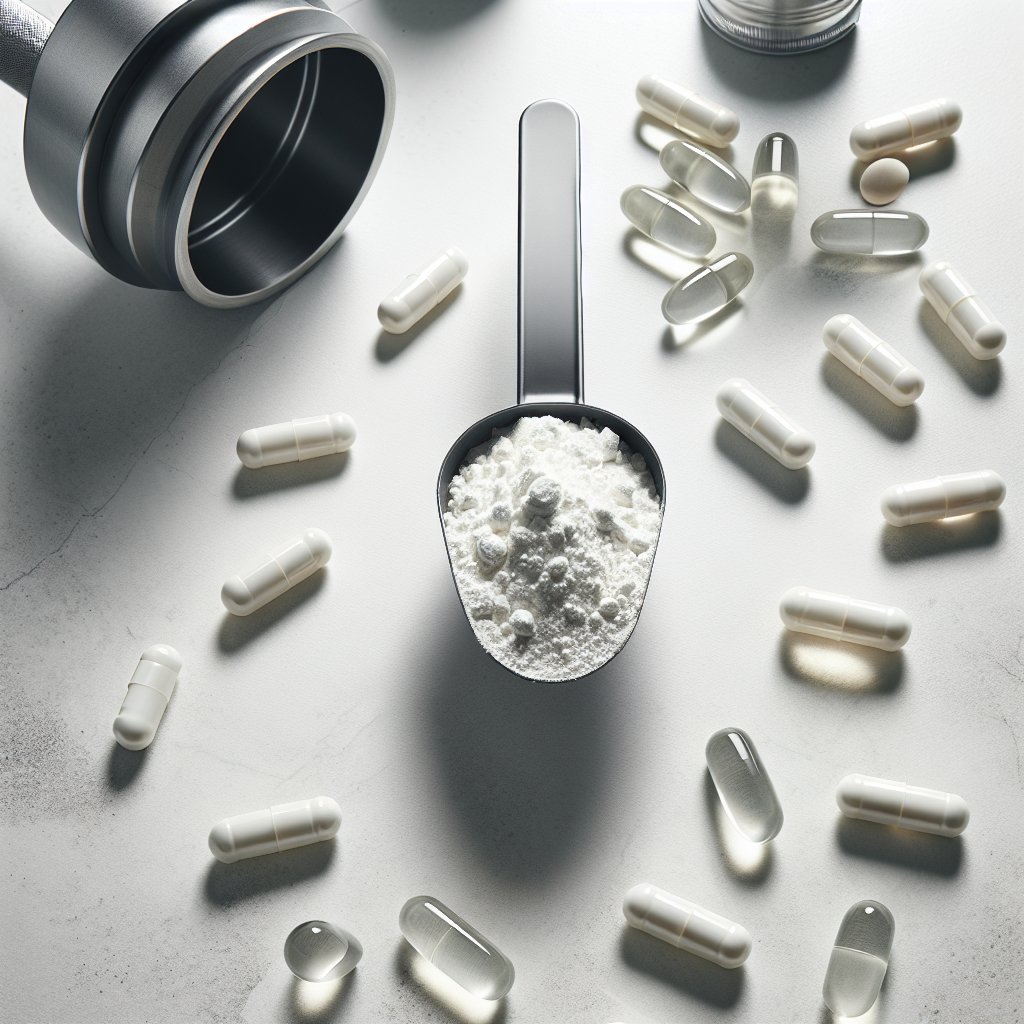
BCAAs vs Whey Protein
Whey protein contains all nine essential amino acids in the proportions your body needs to build muscle tissue. A typical 25-gram serving of whey provides approximately 5.5 grams of BCAAs (2.5g leucine, 1.5g isoleucine, 1.5g valine) plus all the other essential amino acids required for muscle protein synthesis.
BCAA supplements typically provide a 2:1:1 ratio (leucine:isoleucine:valine) in 5-10 gram servings, delivering the leucine trigger without the complete amino acid profile. This creates a muscle protein synthesis response that cannot be completed without additional amino acids from food or other supplements.
For individuals who already consume adequate protein through their diet, adding BCAAs provides no additional muscle-building benefit. A study in the Journal of the International Society of Sports Nutrition found no difference in muscle growth between athletes supplementing with BCAAs and those consuming equivalent amounts of whey protein.
The calorie consideration is real but minimal. Five grams of BCAAs contain approximately 20 calories, while 25 grams of whey protein contains around 100 calories. For most people, an extra 80 calories is a negligible difference in the context of total daily intake.
Verdict: If you eat enough complete protein throughout the day (0.7-1 gram per pound of bodyweight), standalone BCAA supplements offer no advantage over whole protein sources like whey, chicken, eggs, or fish.
Who Might Actually Benefit From BCAAs
Three specific populations may see genuine benefits from strategic BCAA supplementation:
Fasted trainers: People who train early morning without eating may benefit from 5-10 grams of BCAAs pre-workout. This provides the leucine trigger to prevent muscle breakdown without breaking a fast or causing digestive discomfort. However, this benefit disappears if you consume protein within 3-4 hours before training.
Vegan athletes: Plant proteins are typically lower in leucine compared to animal sources. Pea protein contains about 8% leucine versus whey's 11%. Vegans who struggle to consume enough total protein or who rely heavily on lower-leucine sources like rice protein might benefit from leucine-enriched BCAAs to reach the 2-3 gram leucine threshold per meal.
Calorie-restricted dieters: During aggressive fat loss phases (500+ calorie deficits), BCAAs between meals may help preserve muscle mass by providing regular leucine spikes without adding significant calories. Research in the Journal of Nutritional Science and Vitaminology showed that BCAA supplementation during caloric restriction helped preserve lean mass compared to placebo.
Even for these groups, EAAs (all nine essential amino acids) would provide superior results, but the lower calorie content of BCAAs makes them a reasonable alternative when calorie budgets are tight.

The Research: What Works and What Doesn't
Studies on BCAA supplementation show mixed results depending on the population and context. A 2009 study in the Journal of Nutrition found that leucine supplementation increased muscle protein synthesis in elderly individuals who consumed suboptimal protein diets. However, when protein intake was adequate, leucine supplementation provided no additional benefit.
Research in resistance-trained individuals shows similar patterns. A meta-analysis in Nutrients examined 11 studies on BCAA supplementation and resistance training. The analysis found that BCAAs reduced muscle soreness by approximately 20% but showed no significant effect on muscle strength, power, or hypertrophy compared to placebo when dietary protein was adequate.
The muscle soreness reduction is real and reproducible across studies. The proposed mechanism involves BCAAs reducing exercise-induced muscle damage markers and inflammation, potentially through competition with tryptophan for brain uptake (the central fatigue hypothesis). This doesn't translate to better muscle growth but may improve training quality during high-volume phases.
One area where BCAAs show promise is endurance exercise. A study in Medicine & Science in Sports & Exercise found that BCAA supplementation during prolonged cycling reduced central fatigue and improved time to exhaustion. The mechanism appears related to preventing tryptophan from crossing the blood-brain barrier and forming serotonin, which contributes to feelings of fatigue.
EAAs vs BCAAs: The Better Option
Essential amino acids include all nine amino acids your body cannot produce: the three BCAAs (leucine, isoleucine, valine) plus histidine, lysine, methionine, phenylalanine, threonine, and tryptophan. EAA supplements provide the complete amino acid profile needed for muscle protein synthesis.
Research consistently shows EAAs outperform BCAAs for muscle building. A 2020 study in the Journal of the International Society of Sports Nutrition directly compared BCAAs to EAAs and found that EAAs produced significantly greater increases in muscle protein synthesis. The BCAA-only group actually showed a net negative protein balance, meaning muscle protein breakdown exceeded synthesis.
The calorie difference is small. Ten grams of EAAs contains approximately 40 calories versus 20 calories for the same amount of BCAAs. For anyone not in an extreme caloric deficit, the additional 20 calories are negligible compared to the superior muscle-building support.
Popular EAA supplements include Thorne Amino Complex (around $40 for 30 servings) and Kaged Muscle Micropure EAAs (approximately $35 for 40 servings). Both provide complete essential amino acid profiles with added electrolytes.
If you're set on amino acid supplementation and not simply consuming more whole protein, EAAs are the scientifically superior choice for muscle growth and recovery.
Dosing and Timing
If you fall into one of the groups that might benefit from BCAAs, proper dosing matters. Research suggests 5-10 grams per serving provides the leucine threshold (2-3 grams) needed to stimulate muscle protein synthesis.
Pre-workout: Take 5-10 grams 15-30 minutes before training if you're training fasted or haven't eaten protein in the past 4 hours. Products like Optimum Nutrition BCAA Capsules (approximately $20 for 200 capsules) provide convenient pre-measured doses.
Intra-workout: For training sessions exceeding 90 minutes, especially endurance work, 5-10 grams mixed with water may reduce central fatigue. Scivation Xtend BCAAs (around $30 for 90 servings) includes electrolytes for hydration support.
Between meals during cuts: If you're in a caloric deficit and going 4+ hours between protein-containing meals, 5 grams of BCAAs may help maintain muscle protein synthesis without adding significant calories. Bulk Supplements BCAA Powder (approximately $25 for 100 servings) offers unflavored, no-additive BCAAs for budget-conscious athletes.
Post-workout: This is the least useful time for BCAAs unless you're not eating protein within 2 hours after training. Whole protein or EAAs provide superior recovery support. See our post-workout nutrition guide for complete recovery strategies.
Look for 2:1:1 ratio products (leucine:isoleucine:valine) as this matches the ratio found naturally in muscle tissue. Some products use higher leucine ratios (8:1:1 or 10:1:1), but research doesn't support these proprietary blends over the standard ratio. For vegan-friendly options, Garden of Life Sport BCAA (around $35 for 30 servings) provides plant-based BCAAs certified for competitive athletes.
Common Mistakes With BCAA Supplementation
Replacing whole protein with BCAAs: The most common error is using BCAA supplements as a protein replacement rather than a strategic supplement. BCAAs cannot replace the nutritional value of complete protein sources. Check our protein guide to ensure you're meeting baseline protein requirements first.
Taking BCAAs with protein: Consuming BCAAs alongside whey protein or a protein-rich meal provides no additional benefit since the complete protein already contains adequate BCAAs. Save your money or save the BCAAs for genuinely fasted periods.
Expecting muscle growth from BCAAs alone: Studies showing muscle growth from BCAA supplementation are typically in populations with inadequate baseline protein intake. If you're already consuming 0.7-1 gram of protein per pound of bodyweight daily, BCAAs won't add muscle mass.
Choosing BCAAs over EAAs: When deciding between amino acid supplements, EAAs provide superior muscle-building support for minimal additional calories. The only reason to choose BCAAs over EAAs is extreme caloric restriction where even 20 extra calories matter.
Overvaluing proprietary blends: Many BCAA products add glutamine, citrulline, or other amino acids and charge premium prices. These additions rarely provide meaningful benefits beyond marketing appeal. Stick with straightforward BCAA or EAA formulas unless you specifically need the additional ingredients.
For evidence-based supplement information without the marketing hype, see our supplement myths guide.
Frequently Asked Questions
Do BCAAs build muscle?
BCAAs stimulate muscle protein synthesis through leucine's activation of the mTOR pathway, but they don't provide the complete amino acid profile needed to build muscle tissue. Research shows BCAAs alone create a net negative protein balance unless combined with all nine essential amino acids from food or supplements.
Can I take BCAAs on rest days?
BCAAs on rest days provide minimal benefit unless you're in a severe caloric deficit and going long periods between protein-containing meals. Muscle protein synthesis is elevated for 24-48 hours after training, so adequate protein from whole foods on rest days is more important than BCAA supplementation.
Are BCAAs better than protein powder?
No. Whey protein provides all nine essential amino acids plus additional nutrients like calcium and immunoglobulins. BCAAs only provide three amino acids. The only scenario where BCAAs might be preferable is during strict caloric restriction when the 80-calorie difference between 5g BCAAs and 25g whey matters.
How much leucine do I need per meal?
Research suggests 2-3 grams of leucine per meal maximally stimulates muscle protein synthesis in most individuals. A 4-ounce chicken breast provides about 2.5 grams of leucine, while 25 grams of whey protein provides 2.5-3 grams. Our budget protein powder guide covers complete leucine-rich protein sources.
Do BCAAs help with weight loss?
BCAAs themselves don't directly cause fat loss. Some research suggests BCAAs may help preserve muscle during caloric restriction, which indirectly supports a higher metabolic rate. However, the effect is small and contingent on adequate total protein intake.
Can I take BCAAs before cardio?
Taking 5-10 grams of BCAAs before prolonged cardio (60+ minutes) may reduce central fatigue and improve endurance performance. The effect is more pronounced in fasted cardio sessions. For cardio under 60 minutes, BCAAs provide minimal performance benefit.
Are BCAAs safe for kidneys?
In healthy individuals, BCAA supplementation at recommended doses (5-20 grams daily) shows no kidney safety concerns in research. People with existing kidney disease should consult a physician before supplementing with any amino acids, as they affect nitrogen balance.
What's the best time to take BCAAs?
The most effective time is 15-30 minutes before fasted training or during training sessions exceeding 90 minutes. Taking BCAAs with meals containing complete protein provides no additional benefit since the food already contains adequate BCAAs.
Do BCAAs prevent muscle loss during fasting?
BCAAs provide the leucine signal to activate muscle protein synthesis during fasting, which may reduce muscle protein breakdown. However, without the complete essential amino acid profile, the effect is limited. EAAs provide superior muscle preservation during extended fasting periods.
Can vegans benefit more from BCAAs?
Vegans consuming adequate protein from varied plant sources typically don't need BCAA supplementation. However, vegans relying heavily on lower-leucine proteins like rice or hemp might benefit from leucine-enriched BCAAs or EAAs to reach the 2-3 gram leucine threshold per meal.
Should I take BCAAs with creatine?
BCAAs and creatine work through different mechanisms and can be taken together without interaction. However, most people would see better results replacing BCAA budget with creatine monohydrate, which has far stronger evidence for muscle building and performance enhancement.
The Bottom Line
BCAAs are one of the most scientifically studied yet practically overrated supplements in fitness. While leucine effectively triggers muscle protein synthesis, building actual muscle requires all nine essential amino acids. Most people consuming adequate protein from whey, meat, eggs, or varied plant sources don't need separate BCAA supplementation. The only populations with potential benefits are fasted trainers, vegans with limited protein variety, and individuals in severe caloric deficits. Even then, EAA supplements provide superior results.
Sources:
- Leucine supplementation and muscle protein synthesis. Journal of Nutrition. https://academic.oup.com/jn/article/139/5/1103S/4750829
- BCAAs and muscle protein synthesis. Frontiers in Physiology. https://www.frontiersin.org/articles/10.3389/fphys.2017.00390
- BCAA supplementation and resistance training meta-analysis. Nutrients. https://www.mdpi.com/2072-6643/11/9/2282
- BCAAs versus EAAs for muscle protein synthesis. Journal of the International Society of Sports Nutrition. https://jissn.biomedcentral.com/articles/10.1186/s12970-020-00383-4
- BCAA supplementation and endurance performance. Medicine & Science in Sports & Exercise. https://journals.lww.com/acsm-msse/
- BCAA supplementation during caloric restriction. Journal of Nutritional Science and Vitaminology. https://www.jstage.jst.go.jp/browse/jnsv