
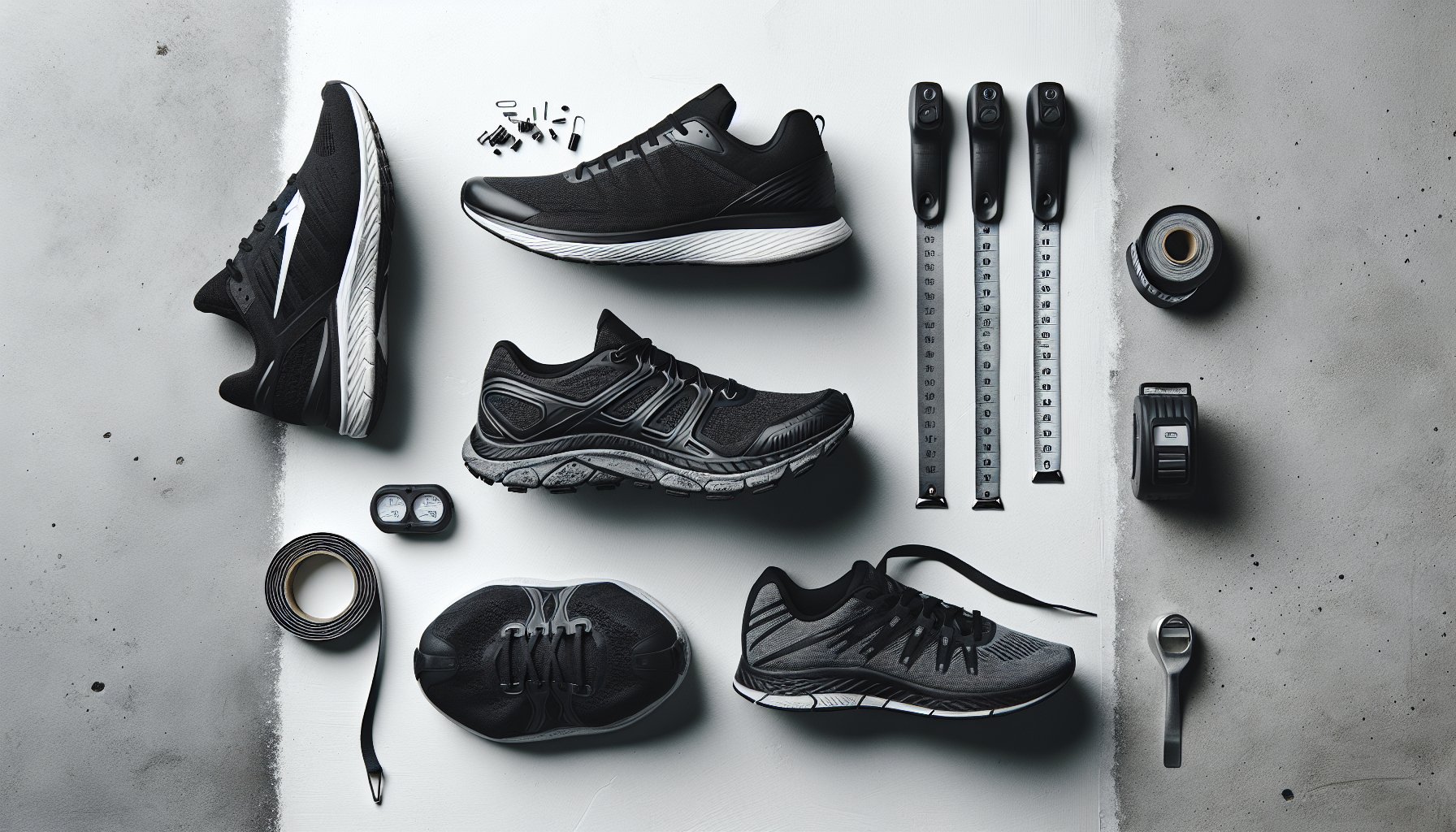
Running in the wrong shoes increases injury risk by 39% according to research published in the British Journal of Sports Medicine. The right pair of running shoes can make the difference between reaching your fitness goals and sitting on the sideline with shin splints, plantar fasciitis, or knee pain. With hundreds of models on the market, choosing the right running shoes comes down to understanding your foot type, running style, and training needs.
Quick Summary:
- Running shoes provide more heel cushioning than training shoes and are designed for forward motion only
- Neutral shoes work for most runners while stability shoes help runners who overpronate
- Replace running shoes every 300-500 miles or when you notice decreased cushioning
- Heel drop between 4-12mm affects running form, with lower drops promoting forefoot striking
- Trail running shoes have aggressive tread and protective plates while road shoes prioritize cushioning
Running Shoes vs Training Shoes
Running shoes are built specifically for forward motion with extra cushioning in the heel and forefoot. The midsole foam compresses and rebounds with each stride, absorbing impact forces that can reach 2-3 times your body weight.
Training shoes (also called cross-trainers) are designed for lateral movement, jumping, and lifting. They have a flatter, wider base for stability during squats and deadlifts. The midsole is firmer to provide a solid platform for weight training.
Trying to run in training shoes means less cushioning where you need it most. Conversely, lifting in running shoes creates an unstable base due to the soft, compressible midsole foam. If you do both activities, you need both types of shoes. Check our cardio guide for how to balance running with other training.
Understanding Cushioning Types
Midsole cushioning technology determines how your shoe feels and performs. EVA (ethylene-vinyl acetate) foam remains the most common material, offering a balance of cushioning and responsiveness at a lower cost. Proprietary foam technologies like Nike React, Adidas Boost, and Brooks DNA provide better energy return and durability, though they cost more.
Cushioning amount varies significantly. Maximalist shoes have stack heights above 30mm, providing soft landings for high-mileage runners or those recovering from injury. Minimalist shoes have less than 20mm of cushioning, forcing your feet and calves to work harder. Carbon fiber plates in racing shoes improve running economy by 4% according to research in Sports Medicine, though these are designed for experienced runners at faster paces.
Stability vs Neutral Running Shoes
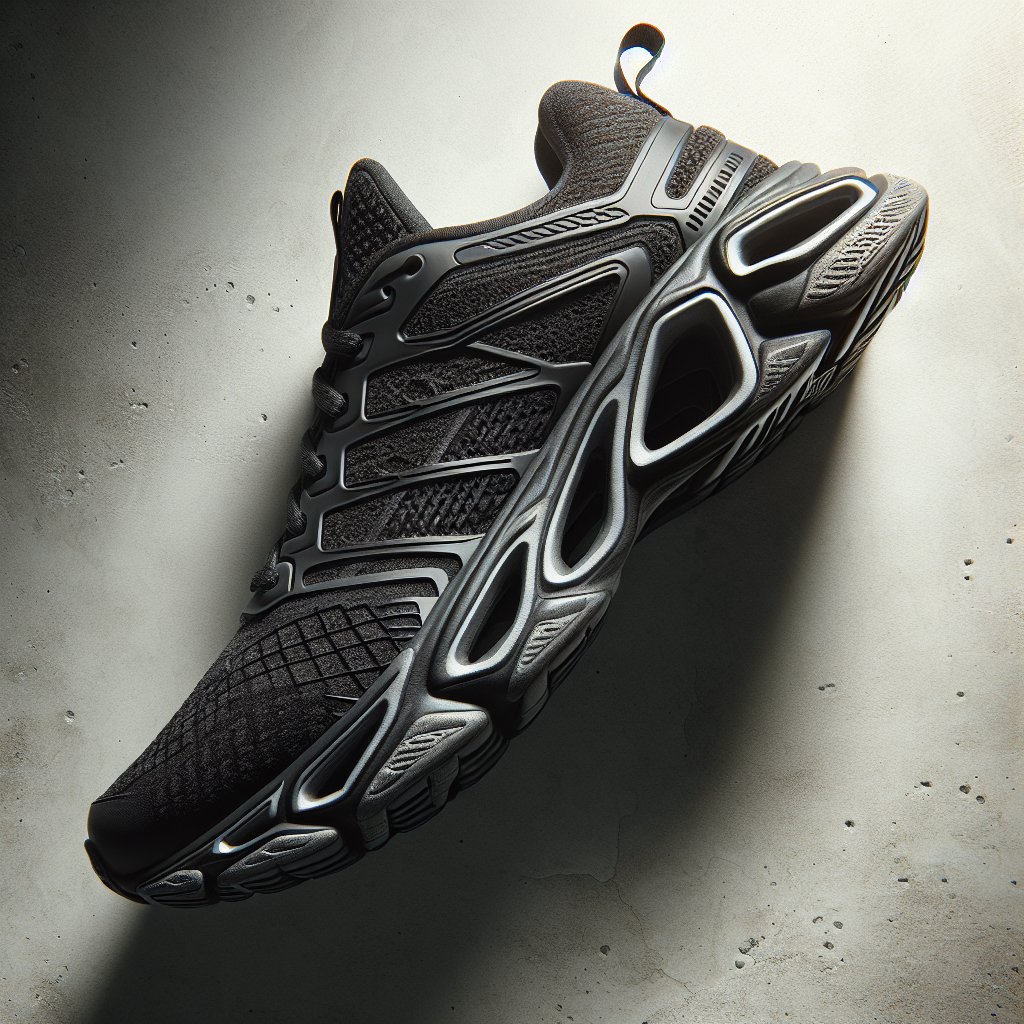
Neutral running shoes work for runners with normal arches who don't overpronate. The shoe allows your foot to move naturally through the gait cycle without correction. About 60% of runners can wear neutral shoes without issues.
Stability shoes include medial posts or firmer foam on the arch side to slow overpronation. Overpronation means your foot rolls inward excessively during landing, potentially stressing your knees and ankles. Runners who overpronate benefit from the added support, though modern stability shoes use lighter, less intrusive technologies than older motion-control models.
Motion control shoes provide maximum support for severe overpronators, usually runners with flat feet and heavier body weights. These shoes have firmer midsoles throughout and straighter lasts to limit inward rolling.
Determining which category you need doesn't require expensive gait analysis. Wet foot test provides a quick assessment: wet your foot, step on paper, and examine the print. A complete footprint suggests flat feet and potential overpronation. A narrow connection between heel and forefoot indicates high arches and likely neutral mechanics.
Verdict: Most runners do fine in neutral shoes, but if you experience consistent knee or ankle pain while running, try stability shoes to see if added support reduces discomfort.
Heel Drop and Running Form
Heel drop (also called offset) measures the height difference between the heel and forefoot, typically ranging from 0mm to 12mm. Traditional running shoes have 10-12mm drops, encouraging heel striking. Zero-drop shoes promote midfoot or forefoot striking.
Lower drops shift stress from your knees to your calves and Achilles tendons. Research in the Journal of Foot and Ankle Research shows transitioning to lower drops reduces knee loading by 12% but increases Achilles tendon strain by 15%. The trade-off means lower drops aren't automatically better.
Most runners should start with moderate 6-8mm drops. Changing heel drop requires adaptation time—drop your offset by 2mm at a time and give your calves 4-6 weeks to strengthen. The Nike Free Run 5.0 offers a moderate 8mm drop suitable for most runners, while the Altra Escalante provides zero-drop geometry for experienced runners.
When to Replace Your Running Shoes
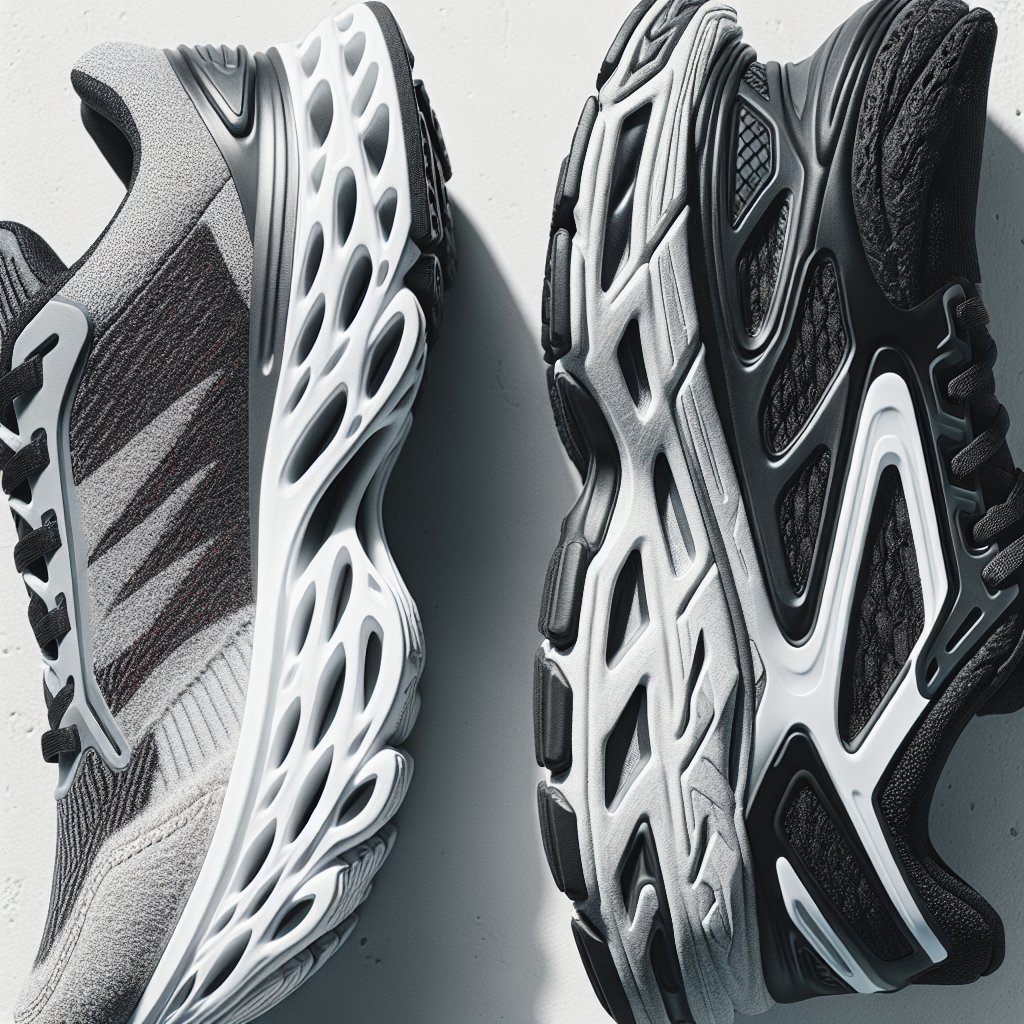
Running shoes break down internally before showing visible wear. The midsole foam compresses permanently, losing 20-30% of its cushioning properties after 300-400 miles. Your joints absorb the forces that foam used to handle, increasing injury risk.
Replace shoes every 300-500 miles depending on your weight, running surface, and shoe quality. Heavier runners on concrete need replacements closer to 300 miles. Physical signs include visible midsole creasing, uneven tread wear, or decreased cushioning feel. If your legs feel more tired after standard routes, your shoes need replacing.
Don't save old running shoes for yard work. The degraded midsole still stresses your joints. Recycle them through programs at running stores.
Shoe Rotation Benefits
Rotating between two or three pairs of running shoes extends shoe life and reduces injury risk. Research in Scandinavian Journal of Medicine & Science in Sports found runners who rotated shoes had 39% lower injury rates compared to single-shoe runners.
Midsole foam needs 24-48 hours to fully decompress after compression. Rotating shoes gives foam time to recover between runs, maintaining cushioning properties longer. Shoes used every other day last 60-70% longer than shoes used daily.
A practical rotation includes one neutral cushioned shoe for easy runs and one lighter shoe for speed work. The Brooks Ghost 15 serves as an excellent daily trainer, while the Hoka Clifton 9 provides maximum cushioning for recovery runs.
Trail vs Road Running Shoes
Trail running shoes have aggressive rubber outsoles with 3-5mm lugs for traction on dirt, mud, and rocks. Protective rock plates shield your feet from sharp objects, and reinforced uppers resist abrasion. Trail shoes sacrifice some cushioning for stability and protection.
Road running shoes prioritize cushioning and lightweight construction since pavement doesn't require aggressive tread. Road shoes feel more responsive but would get destroyed on technical trails.
Match your shoe to where you run 80% of the time. Running occasional trails in road shoes is fine if the terrain isn't technical. Trail-to-road crossover shoes like the Salomon Sense Ride 5 work for light trails and pavement. If you split time evenly between surfaces, own both types, just as you'd use different shoes for rucking versus running.
Breaking In New Running Shoes
Modern running shoes rarely need traditional break-in periods. Well-designed shoes feel comfortable from the first run. If shoes cause hot spots or discomfort during a test run, they're probably the wrong model or size.
Start new shoes with easy runs of 3-5 miles. Overlap old and new shoes for 50-100 miles, using new shoes for shorter runs while keeping old shoes for long runs until you trust the new pair.
If pain persists after 3-4 runs, return the shoes. Most running specialty stores offer 30-day wear trials. Don't push through pain hoping shoes will become comfortable.
Best Running Shoes for Beginners
Beginners need cushioned, neutral shoes with moderate heel drops. The ASICS Gel-Cumulus 25 provides reliable cushioning and proven durability around $120. Budget-conscious beginners should check the Brooks Ghost 14 from the previous generation at 30-40% less cost.
Avoid minimalist shoes and zero-drop models until building base mileage. Your feet need time to strengthen before handling low-profile shoes. Visit running specialty stores for gait assessment and fitting help if possible.
New runners should also read our guide to getting started for information on building training plans and avoiding common beginner mistakes.
Frequently Asked Questions
Should I buy running shoes a half size larger?
Buy running shoes with a thumb's width of space between your longest toe and the shoe's end. Your feet swell during runs, especially in warm weather, so this extra room prevents black toenails and blisters. This usually means a half size up from dress shoes, though sizing varies by brand.
Can I use running shoes for walking intervals?
Running shoes work perfectly for walking workouts like Japanese interval walking. The cushioning protects your joints during extended time on your feet, and the flexible forefoot accommodates the rolling motion of walking.
Do expensive running shoes prevent injuries better than budget models?
Price doesn't determine injury prevention capability. A $90 shoe that fits your foot type prevents injuries better than a $180 shoe designed for different mechanics. Focus on proper fit and appropriate stability level rather than premium features.
How tight should running shoes feel?
Running shoes should feel snug through the midfoot and heel without pressure points, with roomier toe boxes. Your heel shouldn't slip during running motion. If you can't wiggle your toes freely or feel numbness after 15 minutes, the shoes are too tight.
What's the difference between men's and women's running shoes?
Women's shoes typically have narrower heels, higher arches, and more cushioning for lighter body weights. Men with narrow heels or women with wider feet can wear the opposite gender's shoes if they fit better. Fit matters more than the gender designation.
Should I replace both shoes in a rotation at the same time?
Replace shoes based on individual mileage rather than simultaneously. Track miles separately for each pair and replace them as they reach 300-500 miles. This prevents the expense of replacing multiple pairs at once and ensures you always have relatively fresh shoes available.
Do I need custom orthotics or insoles for running?
Most runners do fine with factory insoles. Consider custom orthotics only if you have diagnosed biomechanical issues that cause pain despite trying multiple shoe types. Over-the-counter insoles like Superfeet can help minor arch support needs without the cost of custom orthotics.
Can I wash running shoes in the washing machine?
Hand wash running shoes with mild soap and water, then air dry away from direct heat. Washing machines damage midsole foam and shoe structure. Never use dryers, which break down cushioning materials. Shoes typically dry within 24 hours at room temperature.
How do I know if I overpronate?
Examine wear patterns on old running shoes. Excessive wear on the inner edge of the forefoot suggests overpronation. Normal pronation shows wear in the center of the forefoot and outer heel. Visit a running store for gait analysis if wear patterns aren't clear.
Should I use the same shoes for treadmill and outdoor running?
Use the same shoes for treadmill and outdoor running since your biomechanics don't change significantly. Treadmill belts absorb some impact, but maintaining consistent footwear ensures your feet adapt to one shoe type. Consider tracking your fitness progress to monitor how different running conditions affect your performance.
Do I need different shoes for 5Ks versus marathons?
Beginners can use the same cushioned trainers for all distances. Experienced runners often choose lighter shoes for 5Ks and more cushioned shoes for marathons. Racing shoes with carbon plates benefit runners holding paces faster than 7:30 per mile, while slower paces don't generate forces needed to compress and rebound the plates effectively.
The Bottom Line
Choosing running shoes comes down to matching cushioning, stability, and heel drop to your individual biomechanics and training needs. Most runners succeed with neutral shoes featuring moderate cushioning and 6-10mm heel drops. Replace shoes every 300-500 miles regardless of visible wear, rotate between multiple pairs to extend shoe life and reduce injury risk, and prioritize proper fit over premium features. Invest in trail-specific shoes only if you regularly run technical terrain.
Sources:
- Malisoux L, et al. Influence of running shoe wear on injury risk. British Journal of Sports Medicine. https://bjsm.bmj.com/content/54/5/299
- Nielsen RO, et al. Shoe replacement and running-related injury. Scandinavian Journal of Medicine & Science in Sports. https://onlinelibrary.wiley.com/doi/10.1111/sms.12641
- Hoogkamer W, et al. Running shoe technology and running economy. Sports Medicine. https://link.springer.com/article/10.1007/s40279-019-01142-2
- Hannigan JJ, Pollard CD. Differences in running biomechanics between varying heel drop footwear. Journal of Foot and Ankle Research. https://jfootankleres.biomedcentral.com/articles/10.1186/s13047-020-00388-3