
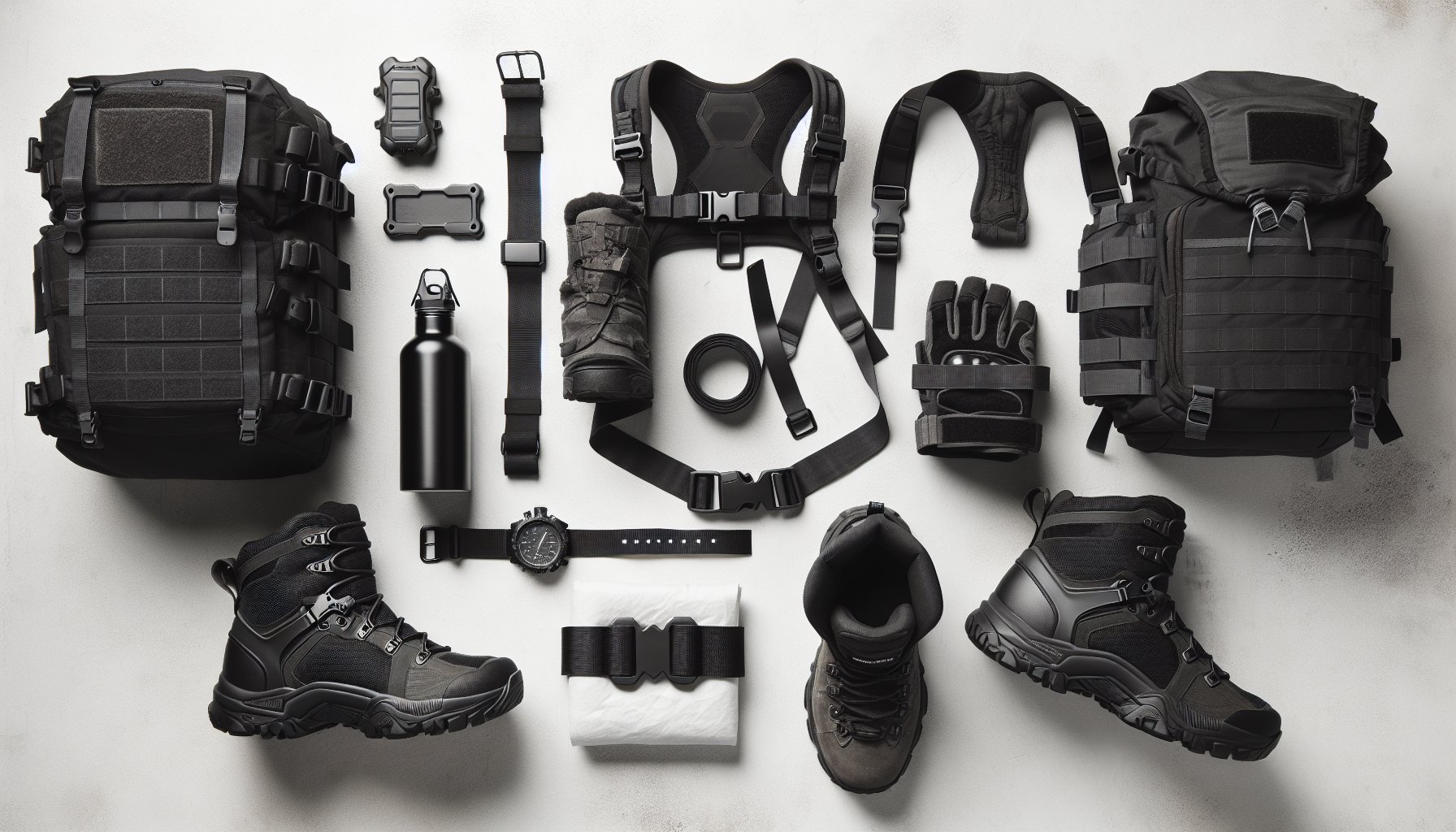
Research in Medicine & Science in Sports & Exercise found that the Pandolf equation — the military's standard formula for load carriage energy cost — underestimates actual calorie burn by 12 to 33 percent. A 180-pound person carrying 30 pounds burns roughly 500 to 700 calories per hour, compared to about 250 for regular walking. The workout? Rucking.
Quick Summary:
- Rucking is walking with a weighted backpack, burning 2 to 3 times more calories than unloaded walking at the same pace
- Start with 10 percent of your bodyweight and build up gradually over 4 to 6 weeks
- You need only three pieces of gear: a sturdy backpack, weight plates, and supportive footwear
- Three sessions per week on non-consecutive days gives your joints and connective tissue time to recover
- Rucking improves cardiovascular fitness, posture, bone density, and core strength with lower joint impact than running
What Is Rucking?
Rucking is walking with a weighted backpack. That is the entire concept. You load a pack, strap it on, and walk.
The practice comes straight from the military. "Ruck" is shorthand for rucksack, and "rucking" became the standard term for forced marches carrying gear and supplies. US Army infantry soldiers routinely carry 60 to 100 pounds during training exercises, covering 12 or more miles at a stretch.
For civilian fitness, rucking scales down considerably. Most recreational ruckers carry 20 to 45 pounds and walk 2 to 6 miles at a brisk pace. It sits in a sweet spot between casual walking and running — harder than a stroll, easier on your joints than pounding pavement. If you are just getting started with exercise, rucking offers a low-barrier entry point with serious training stimulus.
The Research-Backed Benefits of Rucking
Calorie Burn
Carrying an external load increases energy expenditure roughly proportional to the percentage of bodyweight added. A 180-pound person walking at 3.5 mph burns about 250 calories per hour unloaded. Add a 30-pound pack and that figure jumps to 500 to 700 calories per hour — a 2 to 3x increase for the same walk.
Cardiovascular Fitness
Rucking pushes your heart rate into zone 2 (60 to 75 percent of max) without the impact stress of running. A 2022 review in Applied Physiology, Nutrition, and Metabolism found that load carriage increases both cardiac output and oxygen consumption. Over time, this improves VO2 max and aerobic capacity. For more on building your cardio base, pair rucking with interval walking.
Bone Density
A landmark Oregon State University study in the Journal of Gerontology: Medical Sciences tracked postmenopausal women over five years. The control group lost 3.8 percent of total hip bone mass, while the weighted exercise group lost less than 1 percent. At the femoral neck, exercisers gained 1.5 percent bone density.
Posture and Core Strength
Carrying a loaded pack shifts your center of gravity posteriorly, forcing your core, lower back, and hip stabilizers to engage continuously. Over weeks of consistent rucking, you build the stabilizer strength that translates directly to better standing and walking posture.
Low Joint Impact
Running generates ground reaction forces of 2.5 to 3 times bodyweight with every stride. Rucking keeps impact forces at 1 to 1.5 times bodyweight even with a loaded pack, making it a strong option for heavier individuals or anyone who finds running beats up their knees. Check our guide on proper rest between sessions to keep your joints healthy long-term.
How to Start Rucking
Choose Your Weight
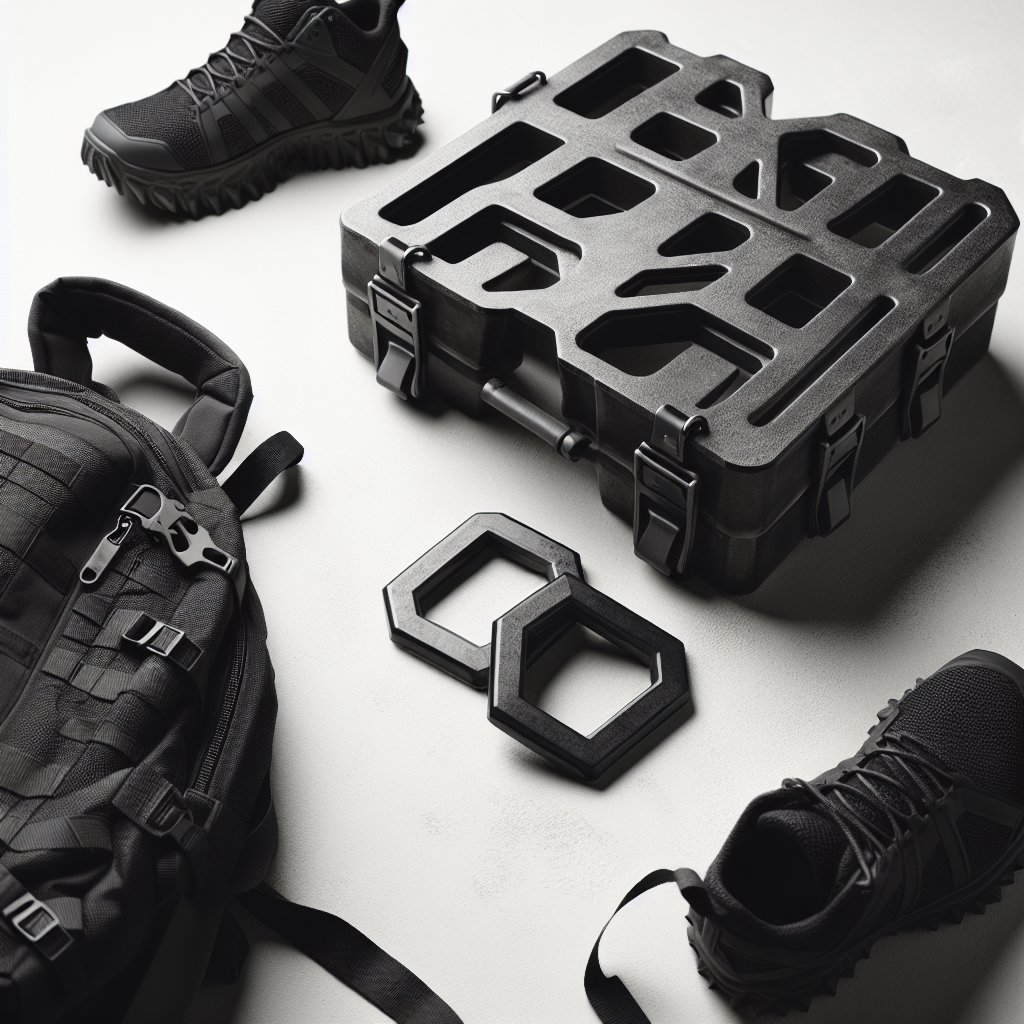
Start at 10 percent of your bodyweight. A 150-pound person begins with 15 pounds; a 200-pound person starts at 20 pounds. Never exceed 35 percent of your bodyweight. Most recreational ruckers find their sweet spot between 20 and 30 percent after several weeks of progressive loading.
Set Your Distance and Pace
Start with 2 miles at a comfortable walking pace (about 15 to 18 minutes per mile). You should be able to speak in full sentences throughout. If you are gasping, slow down or reduce the weight. Add 0.5 miles per week as your conditioning improves.
Frequency
Three sessions per week on non-consecutive days. Your muscles and connective tissue need 24 to 48 hours to recover from loaded walking.
Verdict: Rucking is the single most efficient upgrade to a walking routine. It doubles or triples calorie burn, builds functional strength, and protects bone density — all without the joint stress of running. Start light, add weight gradually, and you have a training method that scales from total beginner to tactical athlete.
Essential Rucking Gear
Backpack
The GORUCK Rucker 4.0 (around $245) is the gold standard — built with a ruck plate pocket, padded hip belt, and 1000D Cordura that will outlast you. For a budget option, the 5.11 Tactical Rush 12 2.0 (around $120) offers solid construction and MOLLE webbing for securing weight plates. Avoid standard school backpacks — they lack the frame and padding for 20-plus pounds.
Weight
GORUCK Ruck Plates (around $45) sit flat against your back and do not shift during movement. They come in 10, 20, and 30-pound options. On a tight budget, wrap standard weight plates in a towel and pack them against the back panel.
Footwear
Skip running shoes — you need a stiffer sole and ankle support for loaded walking. The Salomon X Ultra 4 GTX (around $160) gives you stability, traction, and waterproofing for any terrain. Check our running shoes guide for more options.
Optional: Fitness Tracker
Tracking heart rate during rucks helps you stay in zone 2. The Garmin Forerunner 55 (around $200) tracks heart rate, distance, pace, and calories — all the data points that matter for rucking.
4-Week Beginner Rucking Program
This program starts at 10 percent of your bodyweight. Ruck three days per week with at least one rest day between sessions.
Week 1 — Foundation: 1.5 miles on days 1 and 2, 2 miles on day 3. Weight at 10% BW. Pace: 17 to 18 minutes per mile.
Week 2 — Building: 2 miles on days 1 and 2, 2.5 miles on day 3. Weight stays at 10% BW. Pace: 16 to 17 minutes per mile.
Week 3 — Loading: 2.5 miles, 2 miles, 3 miles. Increase weight to 15% BW. Pace: 15 to 17 minutes per mile.
Week 4 — Progression: 3 miles at 15% BW, 2.5 miles at 20% BW, 3.5 miles at 15% BW. Pace: 15 to 17 minutes per mile.
After week 4, add 0.5 miles or 5 pounds every 1 to 2 weeks — never increase both at the same time.
Common Rucking Mistakes
Loading Too Much Weight Too Soon
Jumping to 40 pounds because it "doesn't feel that heavy" at the start leads to back strain, blisters, and knee pain by mile three. Your tendons and ligaments adapt slower than muscles. Follow the 10 percent starting rule and add no more than 5 pounds every 2 weeks.
Poor Posture Under Load
Leaning forward, rounding your shoulders, or letting the pack sag low all create problems. Stand tall with a slight lean from the ankles, not the waist. Tighten the hip belt so 60 to 70 percent of the weight sits on your hips.
Wrong Footwear
Cotton sneakers and flat-soled shoes offer zero support for loaded walking. You need a stiff midsole, ankle support, and aggressive tread.
Skipping the Break-In Period
New boots and new packs both need break-in time. Wear your footwear on several unloaded walks before your first ruck. Use your pack around the house with weight for 20 to 30 minutes to identify hot spots.
Ignoring Hydration
Rucking at moderate intensity in warm weather can cost you 1 to 2 liters of sweat per hour. Carry water and drink 16 to 24 ounces per hour, more in heat or humidity.
Frequently Asked Questions
How many calories does rucking burn per hour?
A 180-pound person carrying 30 pounds at 3.5 mph burns roughly 500 to 700 calories per hour — 2 to 3 times more than walking the same route without weight. Heavier loads, faster paces, and hilly terrain push the number higher.
Is rucking bad for your back?
Not when done correctly. A properly fitted pack that distributes weight through the hip belt strengthens your core and lower back. Problems arise from poor pack fit, excessive weight, or bad posture.
How heavy should my rucksack be?
Begin at 10 percent of your bodyweight and increase by no more than 5 pounds every 2 weeks. Most experienced recreational ruckers train between 20 and 35 percent of bodyweight. Never exceed 35 percent.
Can I ruck every day?
Not as a beginner. Three sessions per week gives your connective tissue the 24 to 48 hours of recovery it needs. After 3 to 6 months of consistent rucking, you can experiment with 4 to 5 days per week at lighter loads.
Is rucking better than running for weight loss?
Rucking burns fewer calories per minute than running but causes less joint stress and is easier to sustain longer. A 60-minute ruck often burns more total calories than a 30-minute run, with less injury risk.
What is the best surface for rucking?
Mixed terrain works best. Sidewalks and paved trails are fine for beginners, but adding grass, gravel, and dirt paths increases muscle activation and calorie burn. Avoid rough, uneven terrain until you have solid ankle stability.
Can I use a regular backpack for rucking?
A quality hiking daypack works for your first few light sessions. But standard school backpacks lack the frame, hip belt, and padding for weighted walking. Invest in a purpose-built pack once you commit to rucking.
Does rucking build muscle?
Rucking builds muscular endurance in the legs, glutes, core, and upper back. It will not produce hypertrophy like resistance training, but it builds functional strength that complements a lifting program.
How does rucking compare to hiking?
Hiking focuses on trails and varied elevation. Rucking prescribes a specific load as the primary training variable, on any surface. You can combine the two — rucking on hiking trails is an excellent workout.
Should I ruck with a weighted vest instead of a backpack?
Both work. Backpack loading shifts your center of gravity posteriorly, requiring greater core activation. Weighted vests distribute load more evenly, reducing stabilizer demand. For calorie burn and functional strength, a backpack has a slight edge.
What should I eat before a ruck?
Eat a balanced meal with carbohydrates and protein 2 to 3 hours before rucking. A banana with peanut butter or oatmeal with berries both work well. For rucks over 90 minutes, bring a small carbohydrate snack.
The Bottom Line
Rucking burns 2 to 3 times more calories than regular walking, strengthens your core and legs, improves cardiovascular fitness, and protects bone density — all with less joint impact than running. Start at 10 percent of your bodyweight, walk 2 miles three times per week, and add load gradually. The barrier to entry is a backpack and some weight plates.
Sources:
- Drain, J. et al. "The Pandolf equation under-predicts the metabolic rate of contemporary military load carriage." Journal of Science and Medicine in Sport, 2017. https://pubmed.ncbi.nlm.nih.gov/28919496/
- Looney, D.P. et al. "Modeling the Metabolic Costs of Heavy Military Backpacking." Medicine & Science in Sports & Exercise, 2022. https://pmc.ncbi.nlm.nih.gov/articles/PMC8919998/
- Snow, C.M. et al. "Long-term exercise using weighted vests prevents hip bone loss in postmenopausal women." Journal of Gerontology: Medical Sciences, 2000. https://pubmed.ncbi.nlm.nih.gov/10995045/
- Orr, R.M. et al. "Physiological impact of load carriage exercise: Current understanding and future research directions." Applied Physiology, Nutrition, and Metabolism, 2022. https://pmc.ncbi.nlm.nih.gov/articles/PMC9630762/
- Pandolf, K.B. et al. "Predicting energy expenditure with loads while standing or walking very slowly." Journal of Applied Physiology, 1977. https://pubmed.ncbi.nlm.nih.gov/908672/
- ACSM Position Stand. "Quantity and quality of exercise for developing and maintaining fitness in healthy adults." Medicine & Science in Sports & Exercise, 2011. https://pubmed.ncbi.nlm.nih.gov/21694556/