
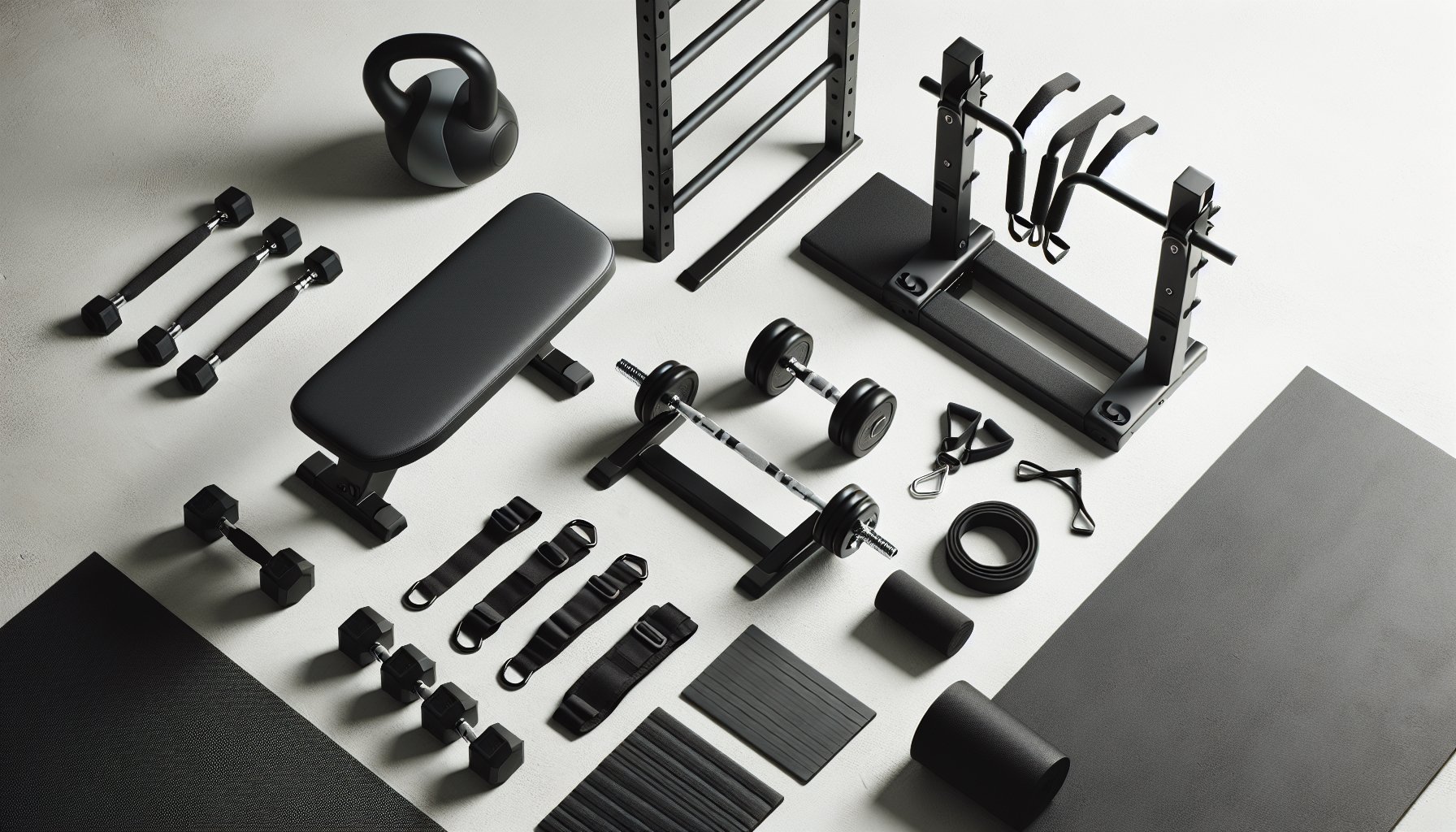
Research from the International Health, Racquet & Sportsclub Association found that home exercisers who invest in even basic equipment are 43% more likely to maintain a consistent workout routine beyond six months. The difference between a cluttered garage of unused gear and a functional home gym comes down to buying the right equipment in the right order.
Quick Summary:
- Start with adjustable dumbbells and a pull-up bar before anything else
- Resistance bands deliver the best value per dollar for versatility
- A quality adjustable bench unlocks hundreds of exercise variations
- Rubber flooring protects your foundation and equipment investment
- Skip cardio machines and specialty items until your strength foundation is complete
What Makes Equipment Essential
Essential equipment passes three tests: versatility, durability, and progression. A piece of gear should enable multiple movement patterns, last years under regular use, and allow you to increase resistance or difficulty as you get stronger. Commercial gym memberships cost an average of $58 monthly according to the Physical Activity Council's 2024 report. A well-equipped home gym pays for itself in 12-18 months while providing 24/7 access.
The average home gym builder makes the same mistake: buying too much, too soon. Loading up on specialized machines, cardio equipment, and accessories before establishing a strength training foundation wastes money and space. Start minimal, master the basics, then expand strategically.
Tier 1: Must-Have Essentials (Under $500)
These four items create a complete training environment capable of building serious strength and muscle.
Adjustable Dumbbells
Adjustable dumbbells replace an entire rack of fixed-weight dumbbells while taking up less than four square feet. Quality adjustable sets go from 5 to 50 pounds per hand, covering the resistance range needed for everything from lateral raises to goblet squats. The dial-adjustment mechanism on sets like Bowflex SelectTech 552 Dumbbells (around $400) lets you change weight in seconds without stopping your workout.
Research published in the Journal of Strength and Conditioning Research found no significant difference in muscle activation between dumbbell and barbell exercises for major compound movements. Dumbbells actually increase stabilizer muscle recruitment by 15-20% compared to fixed barbells. See our detailed comparison in the best dumbbells guide.
Doorway Pull-Up Bar
A doorway pull-up bar costs $30-40 and delivers unmatched upper body training for the price. Pull-ups, chin-ups, and hanging knee raises build back width, arm strength, and core stability. Models like the Iron Gym Total Upper Body Workout Bar (approximately $35) require no installation and fit standard door frames.
Pull-ups train the latissimus dorsi, rhomboids, rear deltoids, biceps, and grip strength in one movement. The American Council on Exercise rates pull-ups as the single most effective bodyweight exercise for back development. If you cannot perform bodyweight pull-ups yet, resistance bands provide the perfect assist.
Resistance Bands Set
Resistance bands deliver variable tension that increases through a movement's range of motion, creating a different strength curve than free weights. A quality set with multiple resistance levels costs $30-50 and enables hundreds of exercises. TRX Strength Bands (around $40) include light, medium, heavy, and extra-heavy bands suitable for everything from shoulder rehab to assisted pull-ups and heavy squats.
Studies in the Journal of Sports Science & Medicine show resistance bands produce comparable muscle activation to free weights while reducing joint stress by approximately 30%. Bands excel for warm-ups, mobility work, assistance exercises, and travel workouts. Their portability makes them essential even if you later expand to a full barbell setup.
Flat or Adjustable Bench
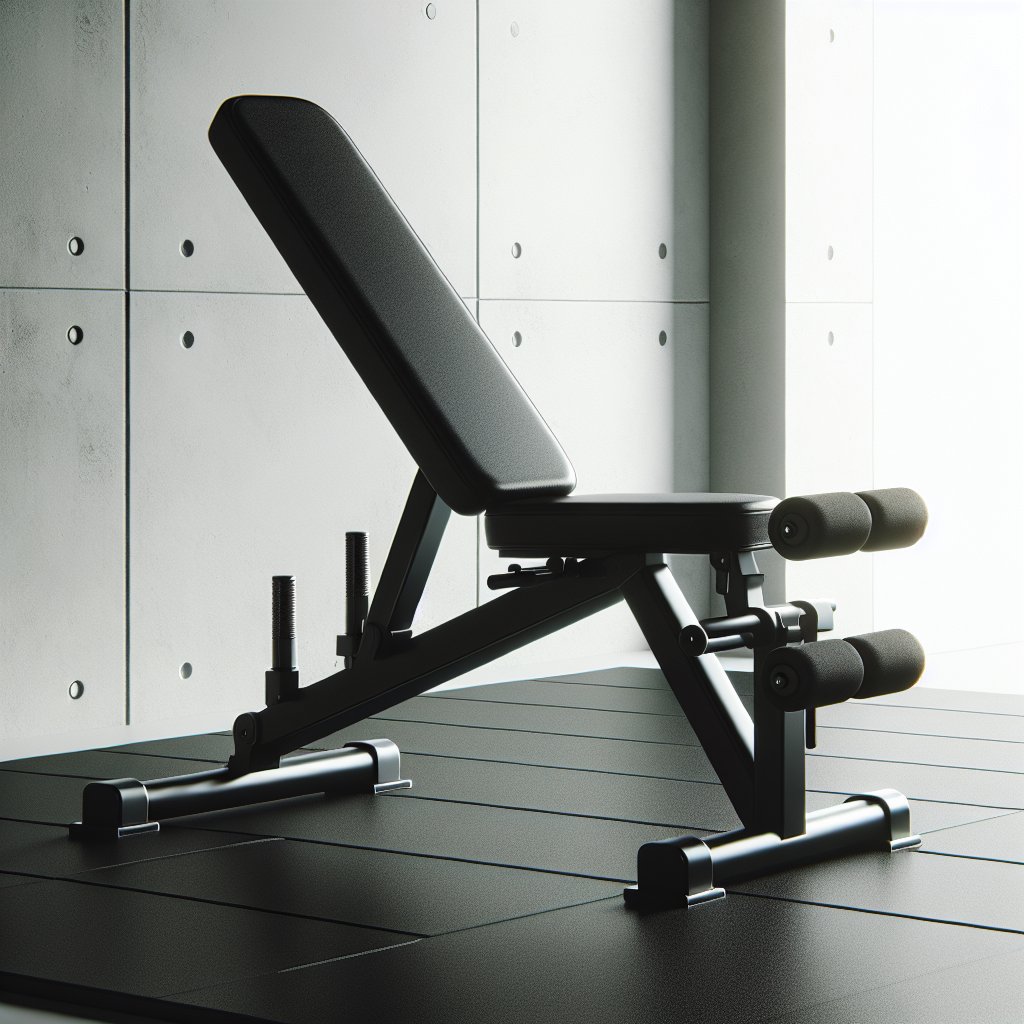
A bench transforms dumbbells from a limited tool into a complete training system. Bench presses, rows, Bulgarian split squats, step-ups, and dozens of other exercises require a stable platform. An adjustable bench adds incline and decline angles, multiplying exercise variety.
Budget flat benches start around $100, while quality adjustable benches like the REP Fitness AB-3000 Adjustable Bench (approximately $250) provide 5-7 angle positions and support 1,000+ pounds. The bench represents the best bang-for-buck purchase in terms of exercise variety unlocked per dollar spent.
Verdict: These four items—adjustable dumbbells, pull-up bar, resistance bands, and a bench—create a $500-650 home gym capable of training every major muscle group with progressive resistance. This foundation supports years of strength gains before you need additional equipment.
Tier 2: Nice-to-Have Additions ($500-$1,500)
Once you have mastered the basics and trained consistently for 6-12 months, these additions expand training options without redundancy.
Barbell and Weight Plates
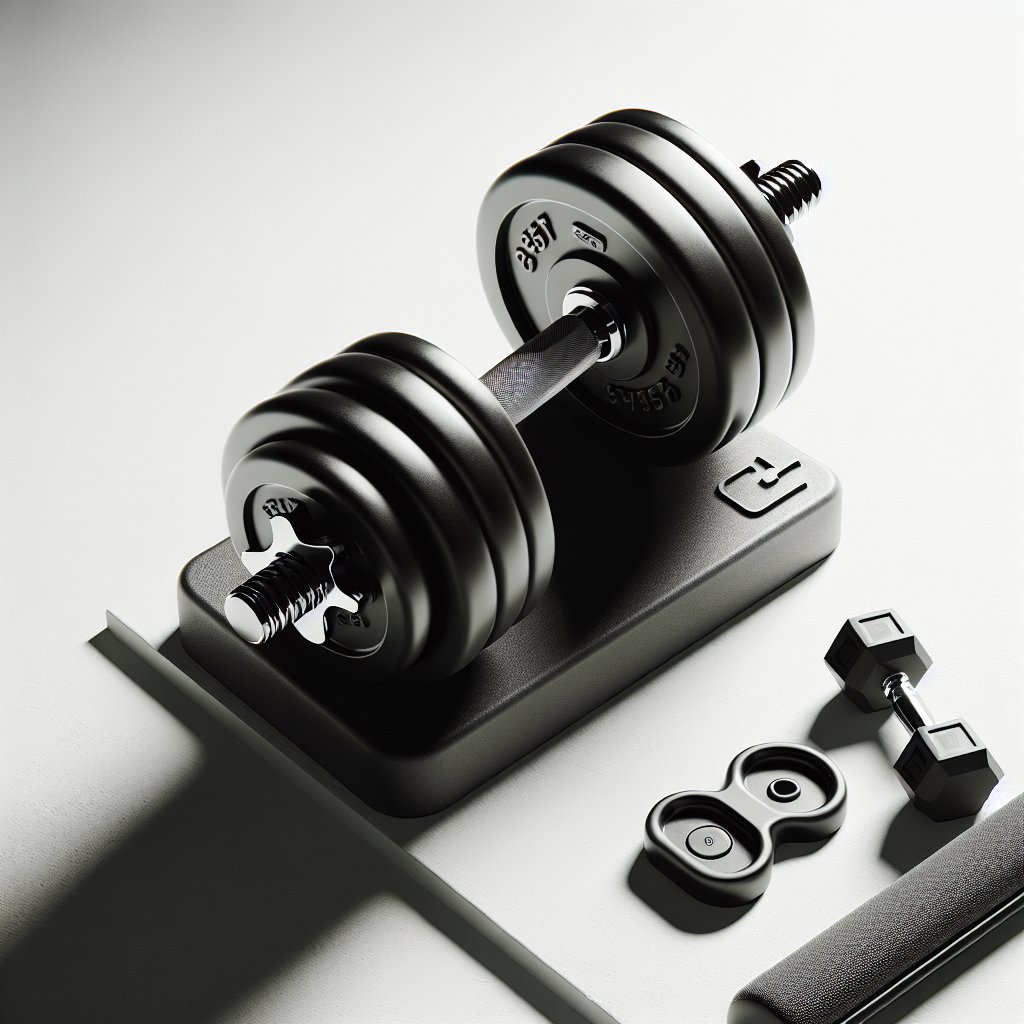
A 7-foot Olympic barbell with bumper plates takes strength training to the next level. The barbell allows heavier loading than dumbbells for squats, deadlifts, and presses, triggering greater overall muscle and strength development. A starter package with a 45-pound bar, 230 pounds of plates, and collars costs $400-600.
Research in Medicine & Science in Sports & Exercise demonstrates that barbell squats and deadlifts produce higher testosterone and growth hormone responses than equivalent dumbbell exercises due to total load and muscle mass engaged. The barbell becomes essential once dumbbell weights feel limiting.
Rubber Flooring
Rubber flooring protects your foundation, reduces noise, and prevents equipment damage. Interlocking rubber tiles or rolled rubber matting costs $1.50-3.00 per square foot. An 8x8-foot lifting platform runs $100-200 in materials.
Dropping dumbbells or barbells on concrete cracks both the equipment and the floor. The shock absorption from rubber flooring also reduces joint impact during jumping movements and plyometrics. This is the first home gym investment you will wish you made earlier.
Power Rack or Squat Stand
A power rack with safety bars enables heavy barbell squats and bench presses without a spotter. Budget squat stands start around $200, while full power racks with pull-up bars and safety catches range from $400-800. This becomes essential when your barbell lifts exceed what you can safely control without safety equipment.
Adjustable Kettlebell
An adjustable kettlebell like the Bowflex SelectTech model (approximately $150) provides 8-40 pounds of resistance for kettlebell-specific movements like swings, Turkish get-ups, and snatches. While dumbbells can substitute for many kettlebell exercises, the unique handle position and weight distribution of kettlebells create different training stimuli.
Tier 3: Luxury Upgrades ($1,500+)
These items improve convenience and expand options but do not fundamentally change what you can accomplish.
Cardio Equipment
Treadmills, rowing machines, and exercise bikes add cardio variety but are not essential for strength development or fat loss. Walking, running, or cycling outdoors provides the same cardiovascular benefits. If you live in an extreme climate or prefer indoor cardio, a quality rowing machine like the Concept2 Model D (around $1,000) delivers full-body cardio that complements strength training.
Cable Machine
A functional trainer or cable crossover station costs $1,000-3,000 and adds cable-based exercises like cable flies, tricep pushdowns, and face pulls. Cables provide constant tension and unique angles compared to free weights, but resistance bands accomplish similar training stimuli for a fraction of the cost.
Specialty Bars
Trap bars, Swiss bars, safety squat bars, and other specialty barbells address specific needs or limitations. A hex trap bar (around $200) reduces lower back strain during deadlifts while allowing heavier loads. These become worthwhile once you have trained consistently for several years and identified specific weak points.
Bang-for-Buck Rankings
Based on cost, versatility, durability, and progression potential:
- Resistance Bands - $30-50 for hundreds of exercises and travel portability
- Pull-Up Bar - $30-40 for the best back-building movement
- Adjustable Bench - $100-250 unlocks 10x more exercises with dumbbells
- Adjustable Dumbbells - $300-450 for complete resistance training
- Rubber Flooring - $100-200 protects everything else
- Barbell Package - $400-600 for maximum strength development
- Power Rack - $400-800 for safe heavy lifting
- Adjustable Kettlebell - $150 for specialized movements
- Cable Machine - $1,000-3,000 for constant tension exercises
- Cardio Equipment - $500-2,000 for climate-controlled cardio
For more budget-conscious options, check our budget home gym guide.
Common Mistakes When Building a Home Gym
Buying cardio equipment first. Treadmills and stationary bikes take up massive space and depreciate quickly. You can run outside for free. Invest in strength equipment first because progressive resistance training delivers better body composition changes than steady-state cardio.
Choosing fixed-weight dumbbells over adjustable. A complete set of fixed dumbbells from 5 to 50 pounds costs $800-1,200 and requires significant storage space. Adjustable dumbbells provide the same resistance range for $300-450 and fit in a corner.
Skipping the bench. Training only with dumbbells while standing or sitting on the floor limits exercise selection by 70%. The bench is the second-most important purchase after dumbbells.
Ignoring flooring. Dropping a 50-pound dumbbell on concrete damages the dumbbell, cracks the floor, and annoys anyone below you. Rubber flooring should be among your first five purchases.
Buying specialty equipment too early. Ab wheels, suspension trainers, slam balls, and battle ropes are fun but not essential. Master the fundamentals with dumbbells, bands, and barbells before adding specialized tools.
Underestimating storage needs. Dumbbells, plates, and bars scattered across the floor create trip hazards and equipment damage. Plan for storage racks, plate trees, and organization from the beginning. Our garage gym setup guide covers complete storage solutions.
Frequently Asked Questions
What is the minimum equipment needed for a home gym?
Adjustable dumbbells and a pull-up bar create a functional minimum home gym for under $450. This combination trains every major muscle group with progressive resistance and requires less than 10 square feet of space.
Are adjustable dumbbells as good as fixed dumbbells?
Yes. Research shows no difference in muscle activation or strength gains between adjustable and fixed dumbbells of equal weight. Adjustable dumbbells save money and space while providing the same training stimulus. The only disadvantage is slightly slower weight changes during circuit-style workouts.
Do I need a barbell if I have heavy dumbbells?
No, but a barbell becomes beneficial once dumbbell weights feel limiting. Barbells allow heavier loading for squats and deadlifts, which triggers greater overall strength and muscle development. Most home gym builders add a barbell after 6-12 months of consistent dumbbell training.
What size space do I need for a home gym?
A minimal home gym with dumbbells, bench, and pull-up bar fits comfortably in 6x8 feet (48 square feet). Adding a barbell with a squat rack requires 8x8 feet minimum (64 square feet) for safe movement. Check our home workout guide for space optimization strategies.
Should I buy new or used equipment?
Dumbbells, barbells, and plates are excellent used purchases because they rarely wear out. Save 30-50% buying used weight plates and bars from local sellers. Buy benches and racks new to ensure structural integrity and safety. Never buy used resistance bands because rubber degrades over time.
How much should I budget for a complete home gym?
A complete Tier 1 home gym costs $500-650. Adding Tier 2 equipment brings the total to $1,500-2,000. This provides everything needed for decades of strength training. Commercial gym memberships averaging $58 monthly mean a $1,500 home gym pays for itself in 26 months.
What flooring is best for a home gym?
Three-quarter-inch rubber flooring tiles or rolled rubber matting provide the best balance of protection, noise reduction, and cost. Horse stall mats from farm supply stores cost $40-50 per 4x6-foot mat and outlast dedicated gym flooring. Place flooring before bringing in equipment to protect your foundation.
Can resistance bands replace weights?
Resistance bands build muscle and strength comparable to free weights according to research in the Journal of Human Kinetics. Bands provide different resistance curves and are excellent for warm-ups, mobility, and assistance exercises. Most effective home gyms use both bands and weights rather than choosing one or the other. See our resistance bands guide for programming details.
Do I need a power rack for safety?
A power rack with safety bars becomes essential once you lift heavy enough that failing a rep could cause injury. This typically happens 6-18 months into training when your squat and bench press loads exceed what you can safely control. Start with dumbbells and add a rack when your barbell lifts justify the investment.
What equipment should I avoid?
Skip ab-specific machines, vibration platforms, and anything advertised on late-night infomercials. Avoid single-purpose machines that only train one muscle group. Steer clear of cheap barbells under $100 because the bars bend permanently and the sleeves seize. Budget adjustable dumbbells under $200 per pair use plastic components that break under regular use.
How do I choose between a flat and adjustable bench?
Buy an adjustable bench unless budget absolutely requires a flat bench. The ability to train at incline and decline angles increases exercise variety by 200-300%. Flat benches cost $100-150 while quality adjustable benches run $200-300. The extra $100 delivers significantly more training options.
The Bottom Line
Build your home gym in this order: adjustable dumbbells, pull-up bar, resistance bands, and an adjustable bench. This $500-650 foundation provides everything needed for years of strength development. Add rubber flooring and a barbell package once you have trained consistently for 6-12 months. Skip cardio equipment, specialty machines, and accessories until your strength base is solid. Equipment does not build muscle—consistent progressive training does.
Sources:
- International Health, Racquet & Sportsclub Association. Home Fitness Equipment Ownership and Exercise Adherence Study. https://www.ihrsa.org/
- Physical Activity Council. 2024 Physical Activity Council Report. https://www.physicalactivitycouncil.org/
- Saeterbakken AH, et al. The Effects of Bench Press Variations in Competitive Athletes on Muscle Activity and Performance. Journal of Strength and Conditioning Research. 2017;31(4):1187-1193. https://pubmed.ncbi.nlm.nih.gov/27669189/
- American Council on Exercise. ACE Study Identifies Best Exercises for Building a Strong, Wide Back. https://www.acefitness.org/
- Aboodarda SJ, et al. Muscle Activation Comparisons Between Elastic and Isoinertial Resistance. Journal of Sports Science & Medicine. 2016;15(3):540-547. https://pubmed.ncbi.nlm.nih.gov/27803634/
- Shaner AA, et al. The Acute Hormonal Response to Free Weight and Machine Weight Resistance Exercise. Medicine & Science in Sports & Exercise. 2014;46(5):1042-1050. https://pubmed.ncbi.nlm.nih.gov/24185100/
- Lopes JSS, et al. Effects of Training With Elastic Resistance Versus Conventional Resistance on Muscular Strength. Journal of Human Kinetics. 2019;66:135-145. https://pubmed.ncbi.nlm.nih.gov/30988849/