
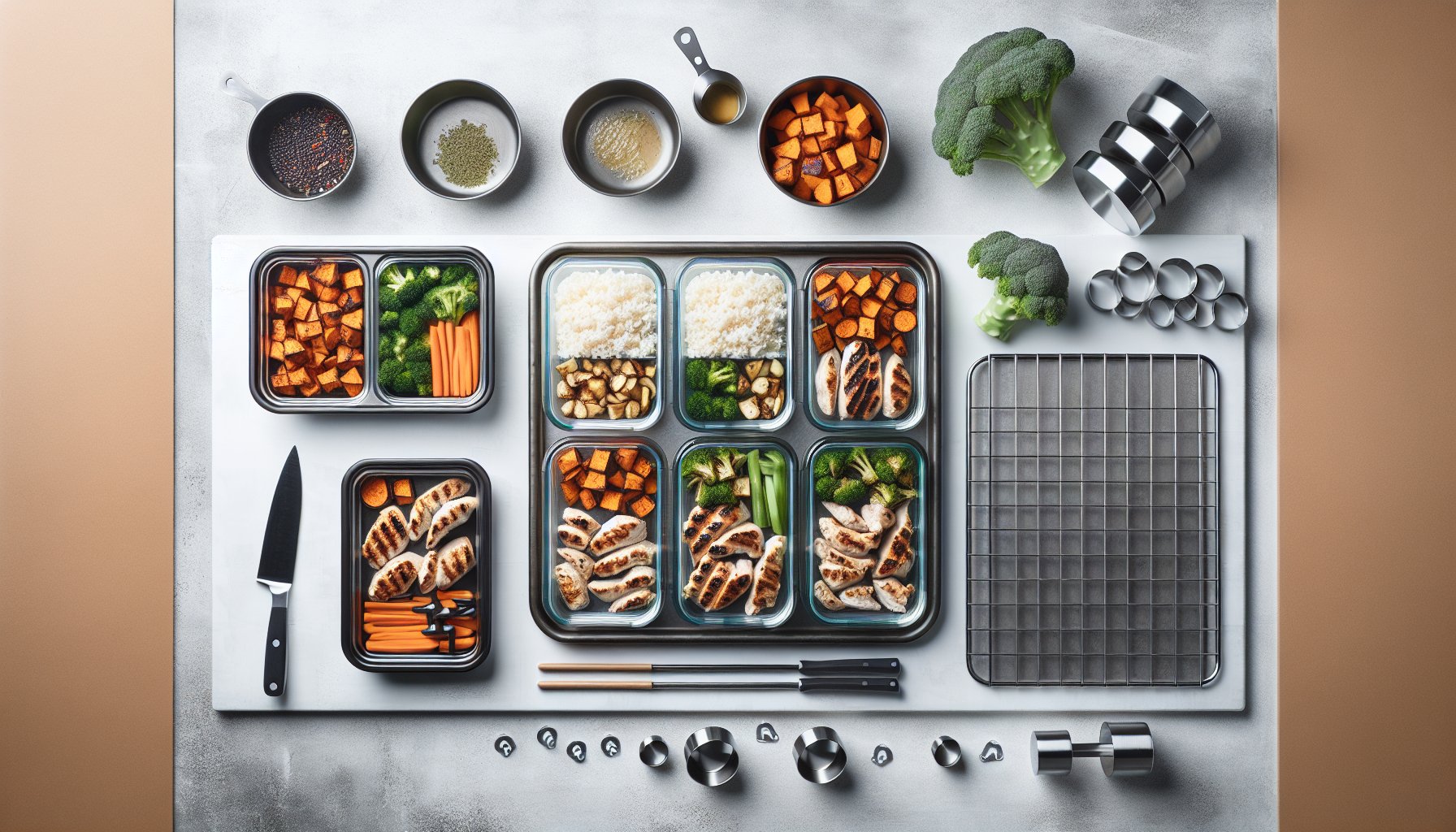
Research shows that people who meal prep consume 47% more vegetables and are 28% less likely to be overweight compared to those who don't plan meals in advance. Yet most people spend just 30 minutes per day cooking, scattered across multiple sessions. Meal prep consolidates that time into one efficient session, creating an entire week of nutrition-optimized meals while reducing decision fatigue and food waste.
Quick Summary:
- Dedicate one 2-3 hour session weekly to prepare 5-7 days of meals
- Focus on protein-rich batch cooking: chicken breast, ground turkey, and egg-based dishes
- Use the 4-container method: proteins, starches, vegetables, and grab-and-go meals
- Store meals in glass containers with proper portioning to maintain freshness for 5-7 days
- Choose simple, repeatable recipes with overlapping ingredients to reduce costs by 30-40%
Why Meal Prep Works for Fitness Goals
Meal prep removes the daily question of "what should I eat?" by front-loading decisions into a single planning session. When you open your fridge and see pre-portioned meals aligned with your macros, you eliminate the 3-5 PM energy slump that leads to vending machine visits or drive-through stops.
The metabolic advantage is significant. A 2019 study in the International Journal of Behavioral Nutrition and Physical Activity found that meal preppers consumed an average of 2.5 more servings of vegetables weekly and had better adherence to protein targets compared to non-preppers. The consistency matters more than perfection. Eating 80% aligned meals seven days per week outperforms 100% perfect meals three days per week followed by chaos.
Meal prep also prevents the "macro tetris" phenomenon where you realize at 8 PM that you've only consumed 60 grams of protein when your target is 180 grams. Pre-portioned containers make hitting your numbers automatic rather than stressful.
The Weekly Meal Prep Framework
Effective meal prep follows a simple four-step cycle: plan, shop, batch cook, portion. Sunday afternoon (or whenever your schedule allows) becomes your dedicated prep window.
Start by deciding how many meals you need. Most people prep 10-14 meals covering weekday lunches and dinners, leaving weekends flexible. Calculate your weekly macro targets, then divide by the number of prepped meals to determine what each container should contain. A 180-pound male targeting 180 grams of protein daily needs about 25-30 grams per meal across six eating occasions.
Choose 2-3 protein sources, 2-3 carbohydrate sources, and 3-4 vegetable options. This creates variety through combination without requiring 15 different recipes. Grilled chicken, ground turkey, and hard-boiled eggs paired with rice, sweet potatoes, and quinoa alongside broccoli, bell peppers, green beans, and spinach gives you dozens of meal combinations from nine base ingredients.
Write your shopping list organized by store section to minimize backtracking. Buy in bulk where possible. A 10-pound bag of chicken breast costs 20-30% less per pound than individual packages. Budget-friendly protein sources can supplement whole food meals when needed.
Batch Cooking Strategy
The secret to 2-hour meal prep is parallel cooking using every heat source in your kitchen simultaneously. While chicken bakes in the oven, rice cooks on the stove, and vegetables roast on a separate oven rack.
Preheat your oven to 425°F. Line two baking sheets with parchment paper. On one sheet, arrange 4-5 pounds of chicken breast seasoned with salt, pepper, and garlic powder. On the second sheet, spread chopped vegetables (broccoli, bell peppers, zucchini) tossed with olive oil and seasonings. Both go in the oven for 22-25 minutes.
While proteins and vegetables roast, prepare starches. Rice cookers are invaluable here. Load it with 4-6 cups of dry rice and walk away. For variety, cook a batch of sweet potatoes by piercing them with a fork and microwaving 3-4 at a time for 8-10 minutes, rotating halfway through.
Ground meat cooks fastest on the stovetop. Brown 3-4 pounds of ground turkey or lean beef in a large skillet, seasoning in stages. This takes 12-15 minutes and provides a versatile protein base for multiple meal types.
Hard-boil a dozen eggs using the pressure cooker method: 5 minutes high pressure, 5 minutes natural release, immediate ice bath. Perfectly cooked eggs with shells that peel cleanly.
Verdict: The most efficient meal prep uses oven, stovetop, and rice cooker simultaneously to prepare 15-20 meals in 90-120 minutes. This parallel processing approach cuts total time by 60% compared to sequential cooking.
Protein-Focused Meal Prep Recipes
Simple, repeatable recipes with minimal ingredients produce the best adherence. Complex recipes sound appealing but rarely survive the weeknight reality check.
Lemon Herb Chicken: Season 5 pounds of chicken breast with lemon juice, dried oregano, garlic powder, salt, and pepper. Bake at 425°F for 22-25 minutes until internal temperature reaches 165°F. Slice and divide across containers with your choice of vegetables and starches.
Turkey Taco Bowls: Brown 3 pounds of ground turkey with taco seasoning. Portion over rice or quinoa with black beans, salsa, and pre-shredded lettuce added fresh before eating. Each bowl delivers 35-40 grams of protein.
Egg Muffins: Whisk 12 eggs with diced vegetables (bell peppers, spinach, onions) and shredded cheese. Pour into a greased muffin tin and bake at 375°F for 18-20 minutes. These store for 5 days and reheat in 45 seconds, providing 12-15 grams of protein each.
Beef and Broccoli: Sauté 3 pounds of lean ground beef with minced garlic and ginger. Add 4 cups of broccoli florets and a simple sauce (soy sauce, rice vinegar, sesame oil). Serve over rice. Each portion provides 30-35 grams of protein.
Sheet Pan Salmon: Season 4-6 salmon fillets with lemon, dill, and olive oil. Roast at 400°F for 12-15 minutes alongside asparagus and cherry tomatoes. Salmon stores well for 3-4 days, so prep this mid-week or freeze portions.
For detailed guidance on optimizing protein across all meals, see our protein guide.
Macro-Friendly Meal Assembly
Building meals with specific macro targets requires understanding the baseline numbers for common ingredients. This knowledge lets you adjust portions on the fly.
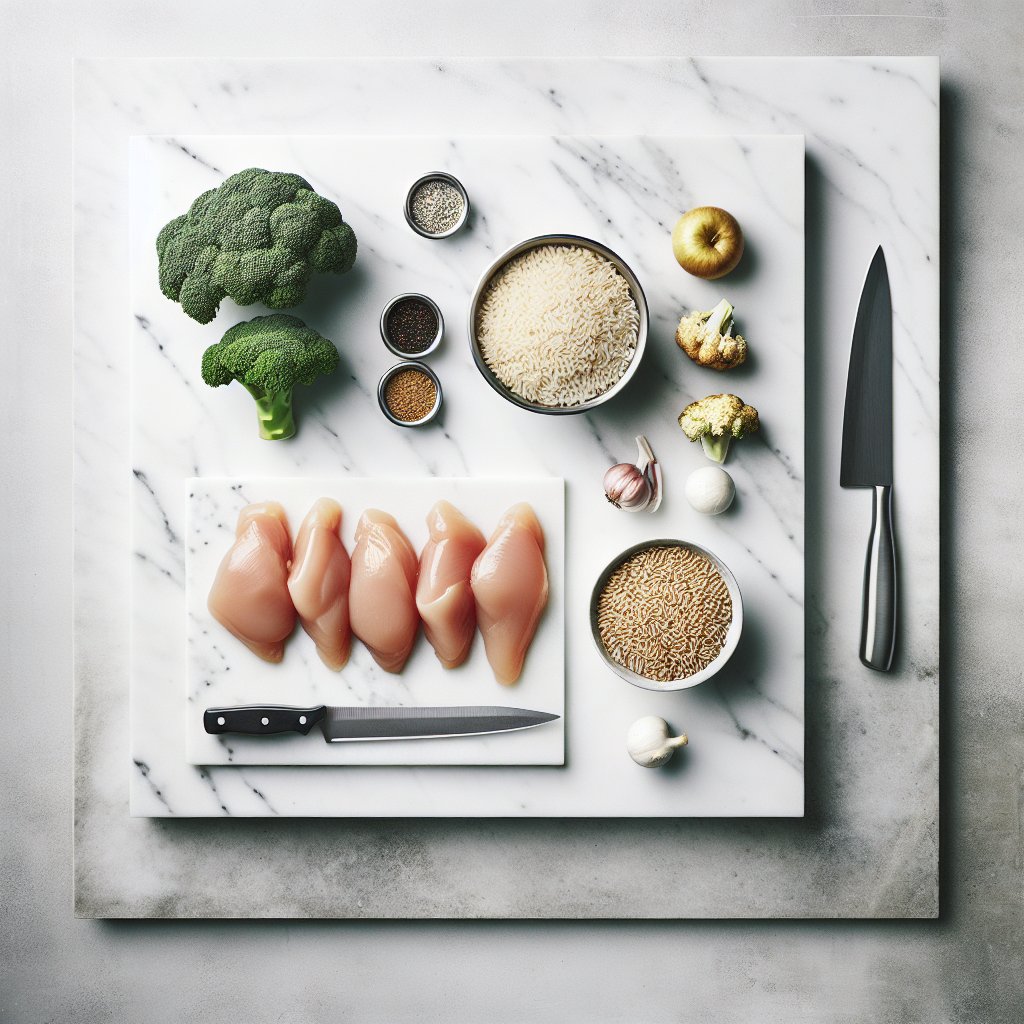
Four ounces of cooked chicken breast contains approximately 35 grams of protein, 0 grams of carbs, and 4 grams of fat. One cup of cooked white rice provides 4 grams of protein, 45 grams of carbs, and 0 grams of fat. One cup of roasted broccoli adds 4 grams of protein, 11 grams of carbs, and 0 grams of fat.
Assemble containers using a simple formula: Protein + Starch + Vegetable = Complete Meal. Adjust portion sizes based on whether you're bulking or maintaining.
A typical bulking meal might contain 6 ounces of chicken (50g protein), 1.5 cups of rice (68g carbs), and 1 cup of mixed vegetables (10g carbs, 4g protein), totaling approximately 550 calories with 54g protein and 78g carbs.
For those tracking macros precisely, invest in a digital food scale. OXO Good Grips Digital Scale (around $25) provides accuracy to the gram and makes portioning consistent across containers.
Storage and Reheating Best Practices
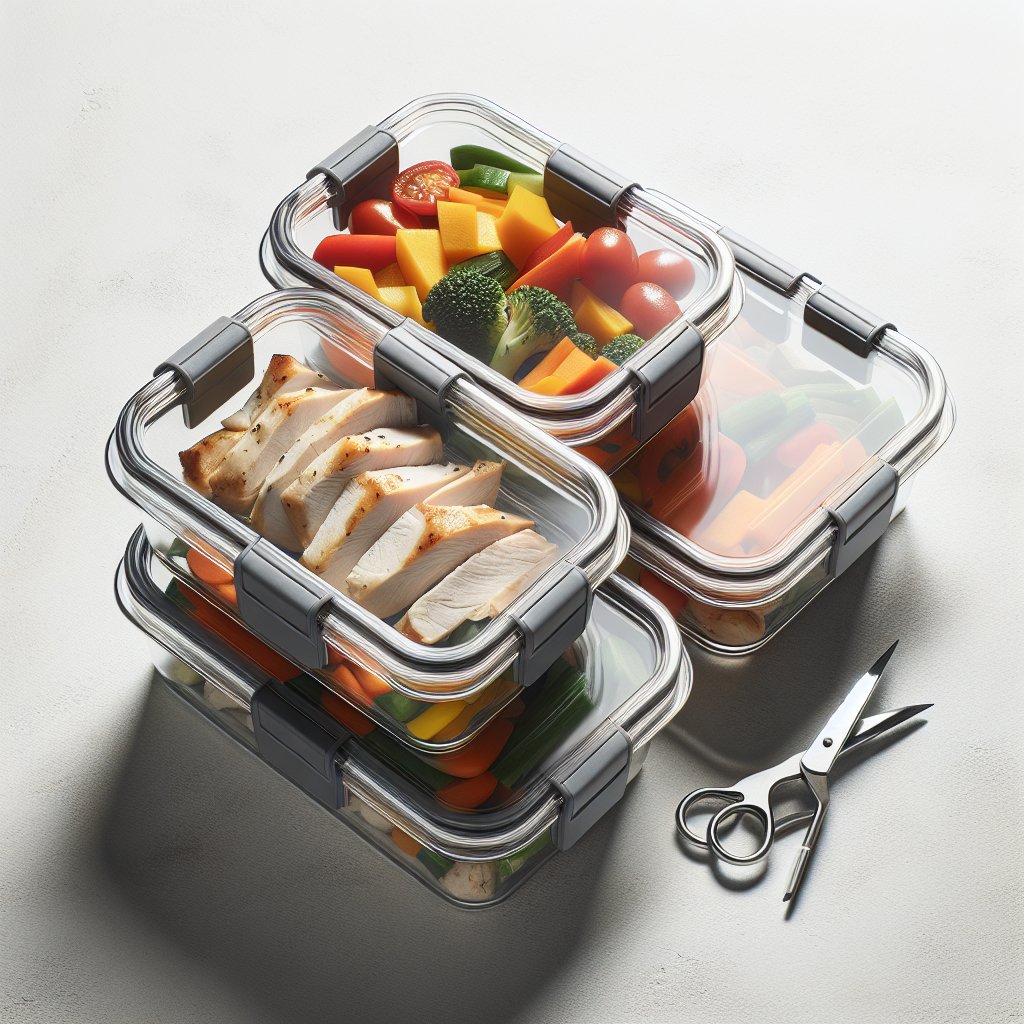
Glass containers outperform plastic for meal prep. They don't absorb odors, heat evenly in the microwave, and last years longer than plastic alternatives. Pyrex Glass Storage Set (approximately $40 for 10 containers) includes various sizes suitable for different meal types.
Store proteins and starches together but keep certain vegetables separate to prevent sogginess. Leafy greens, tomatoes, and cucumbers should be added fresh before eating. Roasted vegetables, steamed broccoli, and cooked green beans store well for 5-7 days.
Label containers with masking tape and a permanent marker showing the meal name and prep date. Follow the first-in-first-out principle, consuming older meals before newer ones.
Refrigerated meals stay fresh for 5-7 days when stored at 40°F or below. Meals intended for days 6-7 can be frozen immediately after cooking, then moved to the refrigerator the night before consumption.
Reheat to an internal temperature of 165°F for food safety. Most meals require 2-3 minutes in the microwave at 70% power, covered loosely to prevent splatter while maintaining moisture. Rice and grains benefit from a splash of water before reheating to restore texture.
Budget Meal Prep Strategies
Meal prep naturally reduces food costs by eliminating impulse purchases and restaurant meals, but strategic shopping amplifies savings.
Buy proteins on sale and freeze immediately. When chicken breast drops below $2 per pound, buy 10-15 pounds. Portion into 1-2 pound freezer bags, removing as much air as possible. Frozen chicken maintains quality for 6-9 months.
Choose seasonal vegetables. In summer, bell peppers and zucchini cost $1-2 per pound. In winter, switch to frozen vegetable blends that provide identical nutrition at 60% of the cost. A 5-pound bag of frozen mixed vegetables costs around $7 and provides 15-20 servings.
Buy bulk grains. A 20-pound bag of rice from a warehouse store costs $10-12 (approximately $0.50 per pound) versus $2-3 per pound for small packages. The same principle applies to oats, quinoa, and dried beans.
Prep breakfast alongside main meals. Overnight oats require two minutes of assembly. Mix rolled oats with protein powder, chia seeds, and almond milk in mason jars. Refrigerate overnight and grab in the morning. Each serving costs under $1 and provides 25-30 grams of protein when made with quality protein powder.
Generic seasonings work identically to name brands at half the price. Salt, pepper, garlic powder, onion powder, cumin, paprika, and Italian seasoning cover 90% of meal prep recipes.
Essential Meal Prep Equipment
The right tools reduce prep time and improve consistency. You don't need expensive gadgets, but a few key items make the process sustainable.
Glass storage containers: As mentioned, Pyrex Glass Storage Set provides the best value and durability.
Digital food scale: Precision matters for macro tracking. Greater Goods Digital Food Scale (around $15) handles up to 11 pounds with 1-gram accuracy.
Rice cooker: A game-changer for hands-free starch preparation. Zojirushi Neuro Fuzzy Rice Cooker (approximately $180) is the premium option, but a basic Aroma Digital Rice Cooker (around $30) works well for most people.
Instant Pot: Combines pressure cooking, slow cooking, and rice cooking in one device. Instant Pot Duo (approximately $80) cooks chicken breast from frozen in 20 minutes and makes perfect hard-boiled eggs.
Sheet pans: Buy 2-3 heavy-duty aluminum half-sheet pans. Nordic Ware Sheet Pans (around $15 each) distribute heat evenly and won't warp at high temperatures.
Time-Saving Meal Prep Hacks
Once you've established the basic routine, these strategies cut additional time while maintaining quality.
Pre-cut vegetables: Buying pre-chopped vegetables costs 40-50% more but saves 20-30 minutes of knife work. For time-constrained preppers, this trade-off makes sense. Buy whole vegetables when you have time; buy pre-cut when you don't.
Cook once, eat twice: When making dinner, double the recipe. One portion becomes tomorrow's lunch automatically. This "rolling meal prep" supplements your Sunday session.
Freezer-friendly multipliers: Certain recipes freeze exceptionally well. Make triple batches of chili, soup, or casseroles. Freeze in individual portions. You now have emergency meals that require zero effort on busy weeks.
Template meals: Establish 3-4 "template" meals you can make without thinking. When chicken goes on sale, you automatically make Lemon Herb Chicken. When ground turkey is discounted, you make Turkey Taco Bowls. Remove decision-making from the equation.
Batch cooking proteins separately: Cook all proteins plain with basic seasoning. Store separately from vegetables and starches. Each day, quickly assemble containers with different combinations and seasonings. Monday's chicken tastes different from Wednesday's chicken despite being from the same batch.
For more guidance on building a complete nutrition plan around meal prep, see our clean eating guide.
Sample 2-Hour Meal Prep Schedule
Here's exactly how to prepare 12-14 meals in a single session.
0:00-0:10 — Setup and Organization
- Preheat oven to 425°F
- Line 2 baking sheets with parchment paper
- Set out all proteins, vegetables, and starches
- Fill rice cooker with 6 cups dry rice and start cooking
- Fill a large pot with water and bring to boil for eggs (if using stovetop method)
0:10-0:20 — Protein and Vegetable Prep
- Season 5 pounds chicken breast with chosen spices, arrange on baking sheet
- Chop vegetables (broccoli, bell peppers, zucchini), toss with olive oil, spread on second baking sheet
- Both sheets go into oven, set timer for 22 minutes
0:20-0:35 — Ground Meat and Eggs
- Brown 3-4 pounds ground turkey/beef in large skillet
- Add seasonings based on chosen recipe (taco seasoning, Italian herbs, etc.)
- Hard-boil eggs (stovetop: 12 minutes boiling, immediate ice bath; pressure cooker: 5 minutes high pressure)
0:35-0:50 — Oven Rotation and Starch Finishing
- Remove roasted vegetables and chicken from oven
- Slice chicken into portions
- Microwave 4-5 sweet potatoes (8-10 minutes each batch)
- Rice cooker finishes automatically
0:50-1:15 — Assembly
- Set out 12-14 glass containers
- Portion proteins across containers (mixing chicken and ground meat for variety)
- Add starches to each container
- Add roasted vegetables
- Close and label each container
1:15-1:30 — Prep Grab-and-Go Options
- Mix overnight oats in mason jars (5 servings)
- Peel and portion hard-boiled eggs
- Wash and portion fresh vegetables for snacking
1:30-2:00 — Cleanup and Storage
- Wash sheet pans, skillet, and rice cooker
- Organize containers in refrigerator
- Take inventory of what's missing for next week
Total active cooking time: approximately 90 minutes. Remaining time is passive (oven, rice cooker) or cleanup.
Frequently Asked Questions
How long do meal prepped foods stay fresh in the refrigerator?
Most cooked proteins and vegetables maintain quality for 5-7 days when stored at 40°F or below in airtight containers. Seafood has a shorter window of 3-4 days. If you're prepping for a full week, freeze meals for days 6-7 immediately after cooking, then transfer to the refrigerator the night before eating.
Can I meal prep if I don't like eating the same thing every day?
Yes. Use the component method rather than assembling complete meals. Store proteins, starches, and vegetables in separate containers, then mix and match daily based on your mood. Vary seasonings when reheating. Monday's chicken with buffalo sauce tastes completely different from Wednesday's chicken with teriyaki sauce, even though both came from the same batch.
What's the best way to reheat meal prepped food without drying it out?
Reheat in the microwave at 70% power for 2-3 minutes, covered loosely with a microwave-safe lid or damp paper towel. Add a tablespoon of water to rice and grain dishes before reheating. For crispy textures, use a toaster oven or air fryer at 350°F for 5-7 minutes instead of the microwave.
How do I meal prep when I have a small refrigerator?
Focus on stackable glass containers that maximize vertical space. Prep 3-4 days of meals instead of 7, doing two shorter sessions weekly. Prioritize proteins and starches in your prep since vegetables can be quickly steamed or microwaved from frozen. Use your freezer for backup meals and bulk proteins.
Is meal prep safe for weight loss or do I need fresh food daily?
Meal prep is excellent for weight loss because it provides portion control and prevents impulsive eating. Nutritional value of properly stored food remains stable for 5-7 days. The consistency of having pre-portioned meals aligned with your calorie targets outweighs any minimal nutrient degradation from storage.
What containers are safest for meal prep and reheating?
Glass containers are safest and most durable. They're microwave-safe, dishwasher-safe, and don't leach chemicals when heated. Avoid plastic containers with recycling codes 3, 6, or 7, which may contain BPA or other endocrine disruptors. If using plastic, choose containers labeled "BPA-free" with recycling code 2, 4, or 5.
Can I meal prep breakfast foods or just lunch and dinner?
Breakfast meal prep is highly effective. Overnight oats, egg muffins, breakfast burritos (wrapped individually and frozen), and chia pudding all store well. Hard-boiled eggs provide quick protein. Greek yogurt portioned with granola and fruit (store fruit separately until eating) takes seconds to grab. Many people find breakfast the easiest meal to prep.
How much money does meal prep actually save compared to eating out?
The average meal prep costs $3-5 per meal when using budget strategies, compared to $12-15 for restaurant meals or $8-10 for fast food. Prepping 10 meals weekly saves $70-120 compared to eating out, or $280-480 monthly. Initial container investment pays for itself in 2-3 weeks of avoided restaurant visits.
What should I do if I get tired of my meal prep halfway through the week?
Keep a "rescue kit" of sauces and seasonings to transform meals. Buffalo sauce, teriyaki, curry paste, salsa, and hot sauce make the same base meal taste different. Add fresh herbs before eating. Deconstruct a meal and turn it into a wrap or bowl. The protein and vegetables are still good nutrition even if you change the presentation.
Do I need to count macros to benefit from meal prep?
No. Meal prep benefits anyone who wants to eat healthier, save time, or reduce food waste. Macro tracking adds precision for specific fitness goals, but basic meal prep with balanced proteins, vegetables, and starches improves diet quality regardless of counting. Start with simple balanced meals, add tracking later if your goals require it.
How do I meal prep when my family has different dietary needs?
Prep components separately rather than complete meals. Cook multiple proteins (chicken, ground beef, tofu), several starches (rice, potatoes, pasta), and various vegetables. Each family member assembles their plate from the available components. This approach provides flexibility while maintaining the time-saving benefits of batch cooking.
The Bottom Line
Meal prep transforms nutrition from a daily scramble into a systematic process. Invest 2-3 hours weekly to create an entire week of balanced, macro-aligned meals that support your fitness goals. Use parallel cooking methods, focus on simple repeatable recipes, and store meals in quality glass containers. The initial effort pays immediate dividends in time saved, money conserved, and consistency achieved.
Sources:
- Ducrot P, et al. Meal planning is associated with food variety, diet quality and body weight status in a large sample of French adults. International Journal of Behavioral Nutrition and Physical Activity. 2017;14(1):12. https://ijbnpa.biomedcentral.com/articles/10.1186/s12966-017-0461-7
- Wolfson JA, Bleich SN. Is cooking at home associated with better diet quality or weight-loss intention? Public Health Nutrition. 2015;18(8):1397-1406. https://www.ncbi.nlm.nih.gov/pmc/articles/PMC4483623/
- Monsivais P, Aggarwal A, Drewnowski A. Time spent on home food preparation and indicators of healthy eating. American Journal of Preventive Medicine. 2014;47(6):796-802. https://pubmed.ncbi.nlm.nih.gov/25245799/
- United States Department of Agriculture. FoodData Central. 2024. https://fdc.nal.usda.gov/