
Clean eating has become one of the most misunderstood concepts in nutrition. A 2023 survey in the Journal of the Academy of Nutrition and Dietetics found that 67% of Americans believe they eat "clean," yet most couldn't accurately define what that means. The term has evolved from a simple focus on whole foods into a confusing landscape of rigid rules and food fear.
Quick Summary:
- Clean eating emphasizes whole, minimally processed foods over ultra-processed products
- The 80/20 approach allows flexibility while maintaining nutrient-dense eating patterns
- Reading ingredient labels helps identify truly whole foods versus marketing claims
- Clean eating on a budget focuses on seasonal produce, bulk grains, and strategic shopping
- Avoiding orthorexia requires balance, not perfection, in food choices
What Is Clean Eating
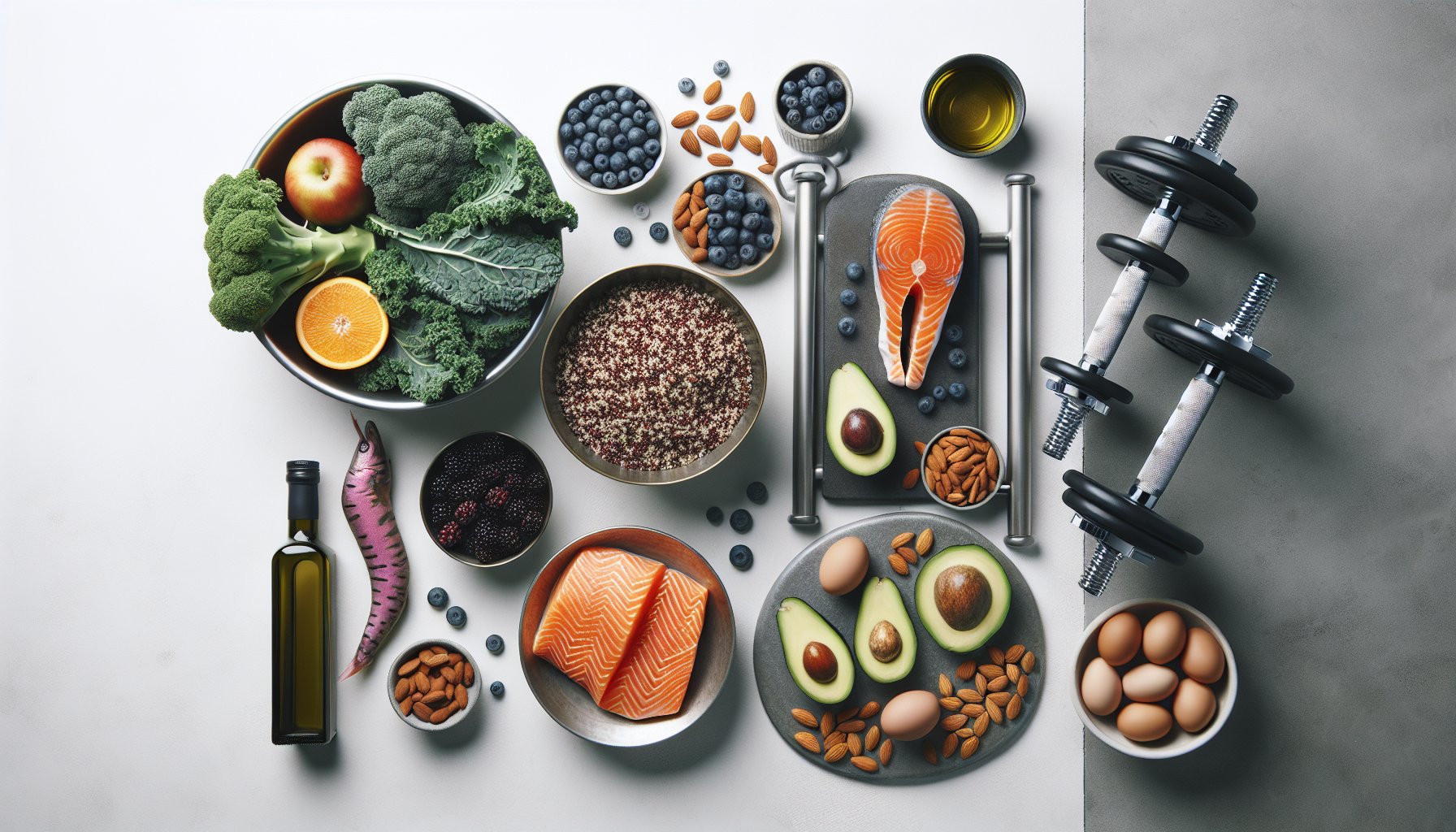
Clean eating prioritizes whole, minimally processed foods while limiting ultra-processed products high in added sugars, refined grains, and artificial ingredients. It means choosing foods as close to their natural state as possible: fresh vegetables, whole grains, lean proteins, nuts, seeds, and minimally processed dairy.
The term "clean" doesn't mean other foods are "dirty" or forbidden. Clean eating describes a spectrum where whole foods sit at one end and highly processed foods at the other. Most of your diet comes from the whole-foods end, with room for processed foods you enjoy.
Research in the British Medical Journal found that diets high in ultra-processed foods were associated with increased risks of cardiovascular disease, type 2 diabetes, and mortality in over 100,000 participants.
The Whole Foods vs Processed Foods Spectrum
Not all processing is equal. Minimal processing like washing or freezing preserves nutrients. Ultra-processing involves multiple industrial formulations and additives.
Minimally Processed (Eat Freely): Fresh or frozen produce, whole grains, plain Greek yogurt, eggs, fresh meat and fish, nuts, seeds, dried beans.
Moderately Processed (Choose Wisely): Canned vegetables and beans, whole grain bread, cheese, olive oil, quality protein powder (see our budget protein powder guide).
Ultra-Processed (Limit): Packaged snacks with long ingredient lists, sugary cereals, frozen meals with additives, processed meats, soft drinks, pre-made sauces.
A 2019 study in JAMA Internal Medicine showed that each 10% increase in ultra-processed food consumption was associated with a 14% higher risk of all-cause mortality.
Flexible Dieting vs Strict Clean Eating
Flexible dieting ("If It Fits Your Macros") focuses on hitting daily protein, carbohydrate, and fat targets regardless of food sources. Strict clean eating eliminates entire food categories based on processing level.
Neither extreme serves most people well. Strict clean eating often leads to social isolation, food anxiety, and binges. A 2021 study in Eating and Weight Disorders found that rigid dietary restraint predicted higher rates of disordered eating and worse weight management.
The evidence-based middle ground is an 80/20 approach: 80% of calories from nutrient-dense whole foods, 20% from whatever fits your goals. Research showed that flexible restraint predicted better weight maintenance and well-being than rigid restraint.
Verdict: Clean eating works best as a flexible guideline focused on nutrient density, not a rigid rulebook eliminating all processed foods. The 80/20 approach provides optimal health outcomes while maintaining a sustainable, enjoyable relationship with food.
Understanding Nutrient Density
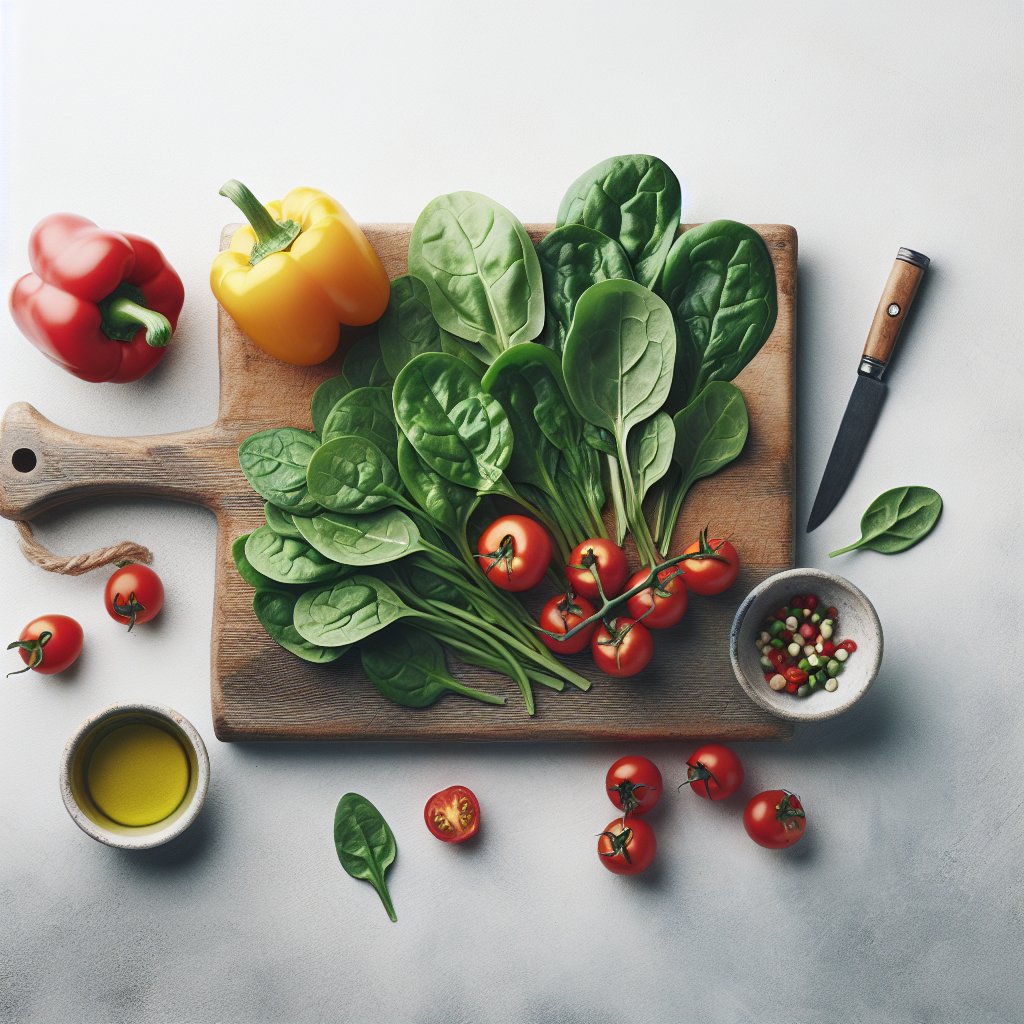
Nutrient density describes how many vitamins, minerals, and beneficial compounds a food provides per calorie. A cup of spinach delivers vitamins A, C, K, folate, iron, and antioxidants for just 7 calories. A cup of soda provides 150 calories with zero nutrients.
Dark leafy greens dominate the CDC's Powerhouse Fruits and Vegetables list because they pack exceptional nutrition into minimal calories. Building meals around nutrient-dense foods ensures you meet micronutrient needs without excessive calories, especially during calorie deficits (covered in our protein guide).
Choose the Ninja Foodi Smart XL Grill (around $200) to prepare nutrient-dense proteins and vegetables at home without added oils.
How to Read Ingredient Labels
Ingredient labels reveal whether marketing claims match reality. "Natural," "wholesome," and "clean" mean nothing legally. Focus on the ingredient list and nutrition facts panel instead.
What to Look For: Short ingredient lists with recognizable foods, whole grains listed first, minimal added sugars (under 5g per serving), ingredients listed by weight (sugar in first three spots signals ultra-processed), simple proteins like "chicken breast" not "chicken parts."
Red Flags: Partially hydrogenated oils (trans fats), high fructose corn syrup in first five ingredients, over 400mg sodium per serving, multiple forms of added sugar, long lists of chemical preservatives and artificial colors.
The OXO Good Grips 3-Piece Angled Measuring Cup Set (around $25) helps you accurately measure portions when preparing whole foods at home.
Building Balanced Plates
The balanced plate method simplifies clean eating by providing visual portion guidance without counting calories.
The Clean Eating Plate:
- 1/2 plate: Non-starchy vegetables (greens, broccoli, peppers)
- 1/4 plate: Lean protein (chicken, fish, tofu, eggs)
- 1/4 plate: Complex carbohydrates (sweet potato, brown rice, quinoa)
- Small addition: Healthy fats (olive oil, avocado, nuts)
This framework creates calorie balance while maximizing nutrient density. The Harvard Healthy Eating Plate uses this model.
Adjust ratios based on activity level. Athletes need more carbs—shift to 1/3 protein, 1/3 carbs, 1/3 vegetables. Fat loss benefits from more protein—shift to 1/3 protein, 1/2 vegetables, 1/6 carbs.
Planning balanced plates becomes easier with our meal prep guide.
Clean Eating on a Budget
Whole foods are often cheaper than processed alternatives when you shop strategically. The price difference between healthy and less healthy diets averages just $1.50 per day.
Budget-Friendly Whole Foods: Dried beans and lentils ($1-2 per pound), bulk whole grains ($1-3 per pound), frozen vegetables ($1-2 per pound), eggs ($3-5 per dozen), seasonal produce (up to 50% cheaper), canned fish ($2-4 per can), whole chicken or thighs ($1-2 per pound).
Smart Shopping Tips: Buy seasonal produce, choose frozen vegetables, purchase bulk bins, batch-cook on weekends, grow windowsill herbs, compare price per ounce, and shop ethnic markets for spices.
Stock your kitchen with the Rubbermaid Brilliance Food Storage Containers (around $40 for a 14-piece set) to batch-prep whole food meals efficiently.
Meal Planning for Clean Eating Success
Meal planning transforms clean eating from an overwhelming daily decision into an automatic habit. Research found that meal planning was associated with better diet quality and lower obesity risk.
Weekly Planning Process: Choose 3-4 protein sources, select 6-8 vegetables (mix fresh and frozen), pick 2-3 complex carbohydrates, plan 2-3 healthy fat sources, build meals by combining one from each category, write a shopping list, and prep components on Sunday.
Sample Clean Eating Day: Scrambled eggs with spinach and oats for breakfast, grilled chicken over greens with quinoa for lunch, Greek yogurt snack, baked salmon with sweet potato and broccoli for dinner. This provides approximately 1,800-2,000 calories (adjust portions in our calorie counting guide).
The Instant Pot Duo 7-in-1 Electric Pressure Cooker (around $80) reduces cooking time for whole grains, beans, and lean proteins.
Avoiding Orthorexia and Food Obsession
Orthorexia nervosa describes an unhealthy obsession with eating "perfectly clean." Research in Eating Behaviors journal found that up to 35-58% of those interested in healthy eating show orthorexic tendencies.
Warning Signs: Spending over 3 hours daily thinking about food, intense anxiety when clean foods aren't available, avoiding social situations due to food fears, cutting out increasing food groups, guilt after eating "unclean" foods, rigid meal timing interfering with daily life.
Clean eating should improve your health and quality of life, not restrict it. A 2020 study in Appetite found that flexible dietary approaches produced better adherence and outcomes than rigid rules.
Maintaining Balance: Use 80/20 not 100% perfection, eat restaurant meals without guilt, focus on adding rather than eliminating, judge diet quality over weeks, and prioritize how foods make you feel physically. If clean eating creates anxiety or disordered patterns, consult a registered dietitian.
The Practical 80/20 Approach
The 80/20 rule provides the flexibility that makes clean eating sustainable. With four meals daily (28 weekly), approximately 22-23 meals come from whole foods while 5-6 meals include whatever you want. Research in the Journal of Nutrition Education and Behavior shows that planned flexibility improves adherence without compromising health outcomes.
Implementing 80/20: Track meals for one week, gradually shift toward whole foods, designate specific times for flexibility (weekend brunch, Friday dinner out), don't compensate for flexible meals by restricting, and evaluate weekly patterns not daily perfection. Some people prefer 90/10, others function best at 70/30. Find what you can maintain long-term.
Pair clean eating with proper hydration habits from our hydration guide to optimize performance and recovery.
Frequently Asked Questions
Does clean eating help with weight loss?
Clean eating can support weight loss because whole foods are more filling per calorie. A 2019 Cell Metabolism study found participants ate 500 fewer calories daily on whole foods compared to ultra-processed foods. However, weight loss still requires a calorie deficit—clean foods make achieving that deficit easier, not automatic.
Can I eat clean on a vegetarian or vegan diet?
Absolutely. Plant-based diets naturally emphasize whole foods like vegetables, fruits, legumes, whole grains, nuts, and seeds. Focus on complete protein sources like quinoa and soy. Supplement vitamin B12 since it's absent from plant foods.
Is organic food necessary for clean eating?
No. Organic describes farming methods, not nutritional content or processing level. A conventionally grown apple is a whole food, while organic cookies remain ultra-processed. Choose organic for the "Dirty Dozen" if budget allows, but prioritize eating more vegetables overall.
What about cheat meals or cheat days?
The language of "cheating" creates an unhealthy relationship with food. Instead, plan flexible meals where you eat foods you enjoy without guilt. Build them into your 80/20 ratio rather than earning them through strict compliance.
How long until I see results from clean eating?
Most people notice improved energy and digestion within 1-2 weeks. Measurable changes in body composition, blood markers, or performance typically appear after 4-6 weeks of consistent whole-foods eating. Focus on sustainable habits rather than rapid transformations.
Can I eat clean while dining out?
Yes. Order grilled proteins over fried, ask for vegetables instead of fries, request dressing on the side. Most restaurants accommodate simple requests. Don't stress about perfect clean eating at restaurants—that's where your 20% flexibility applies.
Do I need to avoid all sugar for clean eating?
No. Natural sugars in whole fruits come packaged with fiber, vitamins, and antioxidants. Limit added sugars to under 25g daily for women and 36g for men per American Heart Association guidelines, but don't fear natural sugars in fruits.
What's the difference between clean eating and paleo or keto?
Clean eating emphasizes whole foods across all macronutrient ratios. Paleo eliminates grains, legumes, and dairy. Keto restricts carbohydrates to induce ketosis. You can eat clean while following paleo or keto, or on a higher-carb diet including grains and legumes.
Is meal timing important for clean eating?
Meal timing matters less than total daily nutrition quality. Eat when genuinely hungry and stop when satisfied. Some people thrive on three meals daily, others prefer five smaller meals, and intermittent fasting works for some. Choose the timing pattern that fits your schedule and preferences.
How do I handle social pressure about my food choices?
Don't evangelize unless asked directly. If questioned, simply say you feel better eating this way. Bring a clean dish to share at gatherings so you have options. Your food choices are personal—you don't need to defend or explain them to anyone.
Are smoothies and juices considered clean eating?
Whole-food smoothies that include the entire fruit or vegetable (fiber intact) count as clean eating. Juices that remove fiber concentrate sugars without satiating fiber. If you drink juice, limit to 4-6 oz daily as part of your carbohydrate intake.
The Bottom Line
Clean eating works best as a flexible framework emphasizing nutrient-dense whole foods while allowing room for foods you enjoy. The 80/20 approach provides excellent nutrition without the psychological damage of rigid rules. Focus on adding more vegetables, quality proteins, and whole grains rather than eliminating foods, and build balanced plates that satisfy you.
Sources:
- Survey on clean eating perceptions and definitions. Journal of the Academy of Nutrition and Dietetics, 2023. https://www.jandonline.org
- Ultra-processed foods and health outcomes in UK Biobank. British Medical Journal, 2022. https://www.bmj.com
- NOVA food classification and mortality risk. JAMA Internal Medicine, 2019. https://jamanetwork.com
- Dietary restraint types and eating disorder risk. Eating and Weight Disorders, 2021. https://link.springer.com
- Flexible vs rigid restraint and weight maintenance. International Journal of Behavioral Nutrition and Physical Activity, 2020. https://ijbnpa.biomedcentral.com
- Powerhouse Fruits and Vegetables nutrient density rankings. CDC Preventing Chronic Disease, 2014. https://www.cdc.gov/pcd
- Healthy Eating Plate model. Harvard T.H. Chan School of Public Health. https://www.hsph.harvard.edu/nutritionsource/healthy-eating-plate
- Price differences between healthy and unhealthy diets. American Journal of Clinical Nutrition, 2013. https://academic.oup.com/ajcn
- Meal planning and diet quality associations. International Journal of Behavioral Nutrition and Physical Activity, 2017. https://ijbnpa.biomedcentral.com
- Orthorexia nervosa prevalence estimates. Eating Behaviors, 2019. https://www.sciencedirect.com/journal/eating-behaviors
- Ultra-processed vs whole-food diet calorie intake. Cell Metabolism, 2019. https://www.cell.com/cell-metabolism
- Added sugar intake recommendations. American Heart Association, 2021. https://www.heart.org